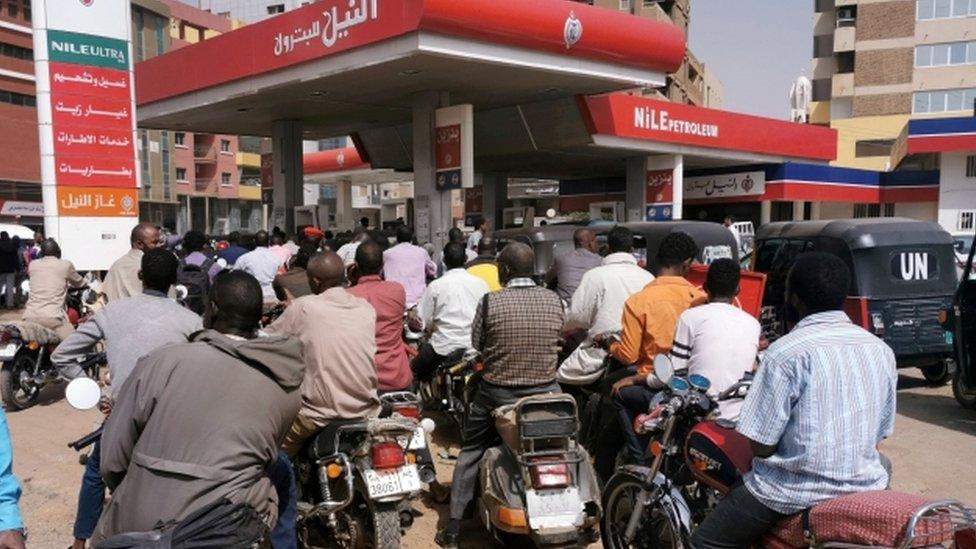
Sudan’s army-aligned authorities have begun new coordination measures aimed at securing fuel imports and preventing supply shortages across areas under their administration.
Energy and Oil Minister Mutasim Ibrahim Ahmed held talks with Finance Minister Jibril Ibrahim and Central Bank Governor Amna Mirghani to review supplies of petroleum products and arrangements for financing imports.
The meeting examined current fuel stocks and discussed mechanisms for financing the purchase of petroleum products abroad, as well as coordinating import, transport and distribution procedures.
Officials said closer cooperation between the Energy Ministry, Finance Ministry and Central Bank was needed to address obstacles that could disrupt fuel flows and to maintain supplies for essential services, industry and other economic sectors.
The officials also called for continued monitoring of fuel availability and timely access to foreign currency and financing for imports in an effort to prevent bottlenecks in distribution.
The authorities said the measures were intended to maintain regular fuel supplies to states and economic sectors under their control.
No figures were provided on current fuel reserves, planned import volumes or the amount of financing required.
Sudan’s fuel market has faced repeated pressure during the war, with transport disruptions, currency instability and difficulties financing imports contributing to sharp price fluctuations and periodic shortages.