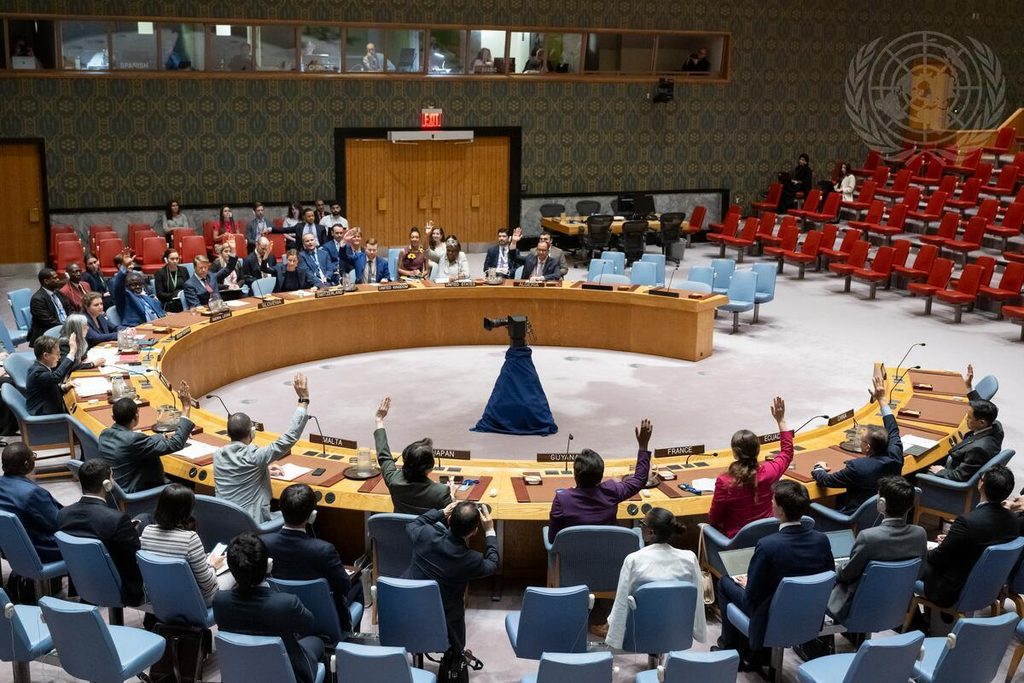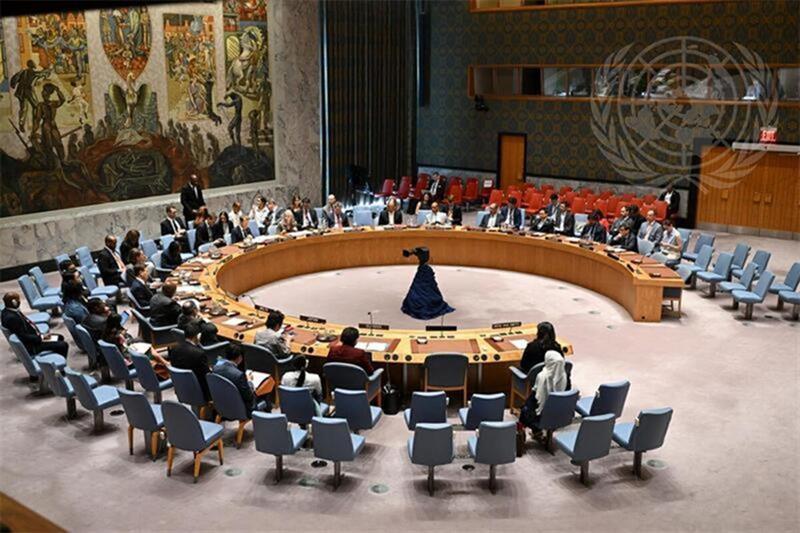
The United States has postponed efforts to impose a nationwide arms embargo on Sudan following opposition from Russia, China and other members of the United Nations Security Council.
Instead, Washington has proposed extending existing sanctions covering Darfur for another 60 days, as negotiations over broader restrictions remain deadlocked.
The Security Council is expected to vote on Thursday on extending the sanctions regime under Resolution 1591 until December 11, while renewing the mandate of the UN Panel of Experts monitoring violations until January 11, 2027.
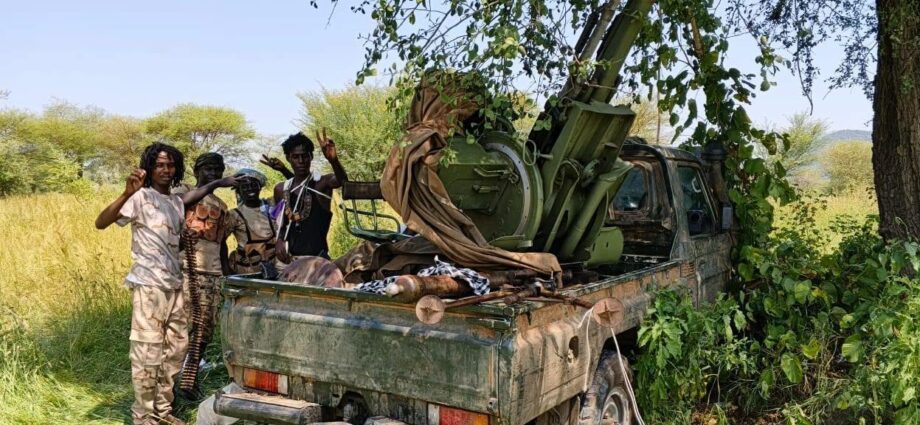
The Trump administration had sought to expand the arms embargo across Sudan, targeting weapons suppliers, financing networks, military drones and foreign support sustaining the conflict.
However, Russia, China, Pakistan and several African members of the council opposed widening the restrictions beyond Darfur, arguing that the existing measures should be maintained and better enforced.
The disagreement follows a similar stalemate in September, when council members agreed to a one-month extension rather than adopt Washington’s broader proposal.
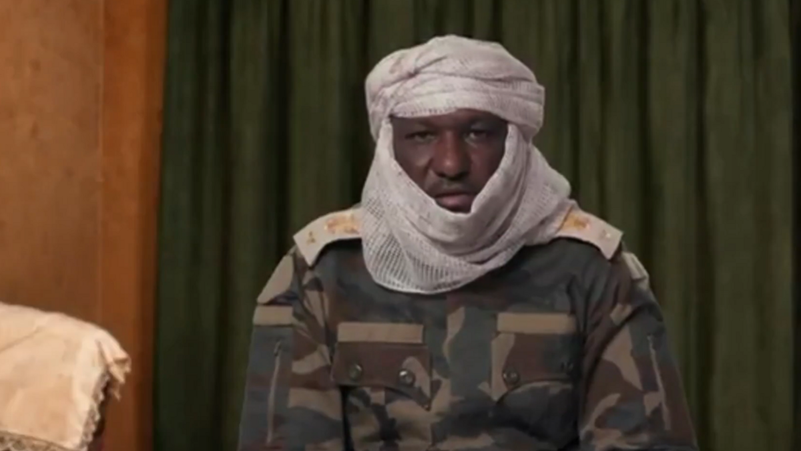
Sudan’s army-aligned authorities in Port Sudan have welcomed the latest temporary extension while rejecting a nationwide embargo.
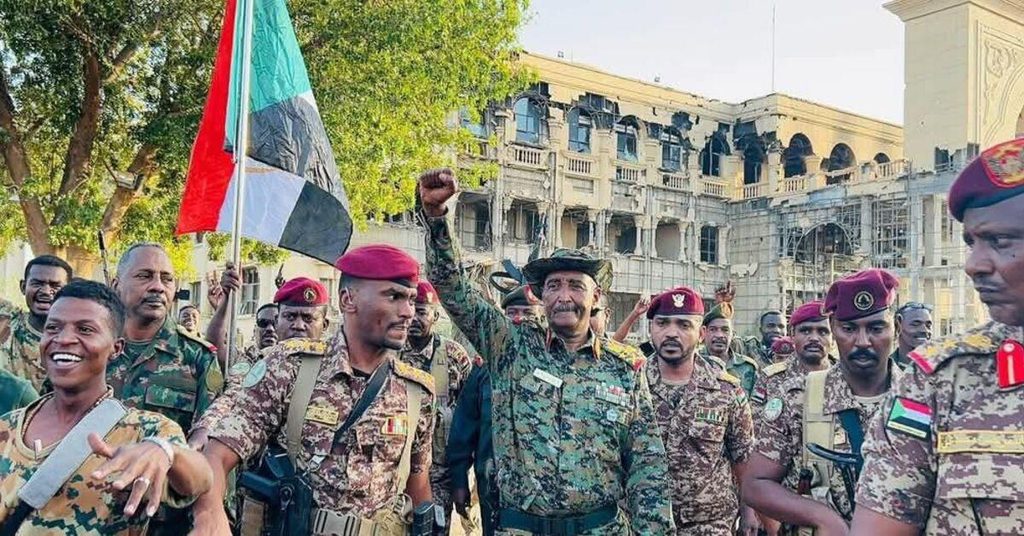
Ammar Mohammed Mahmoud, Sudan’s deputy permanent representative to the UN, told The Hill that expanding restrictions would unfairly place the Sudanese Armed Forces (SAF) and Rapid Support Forces (RSF) under the same framework.
Washington, however, has rejected claims that Sudan’s military leadership represents legitimate constitutional authority.
US State Department spokesman Tommy Pigott said last month that neither the SAF nor the RSF, nor their respective leaders, could claim legitimate authority to govern Sudan.
Both forces have faced accusations of serious violations during the war, which erupted in April 2023 and has triggered one of the world’s worst humanitarian crises.
The United States previously imposed sanctions on SAF chief Abdel Fattah al-Burhan and SAF for war crimes, while also determining that the RSF and allied forces committed war crimes in Darfur.
Despite the latest setback, Washington’s broader proposal remains under discussion, with international pressure mounting to restrict weapons flows to Sudan’s rival armed factions.