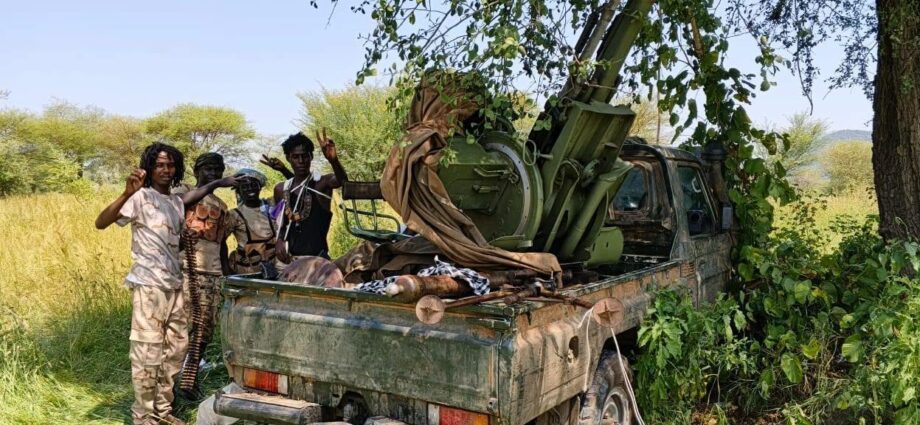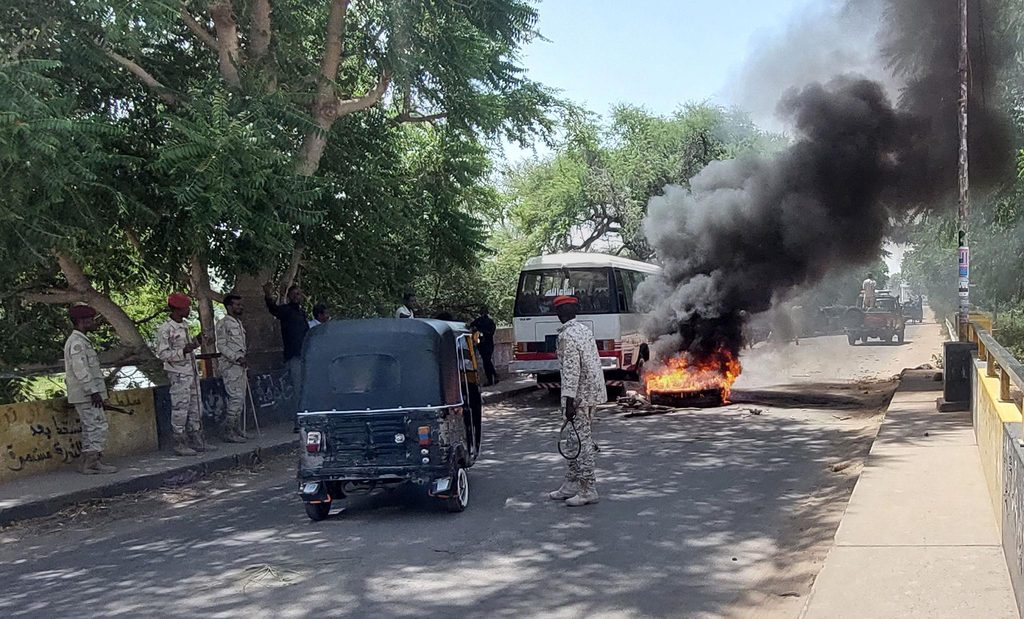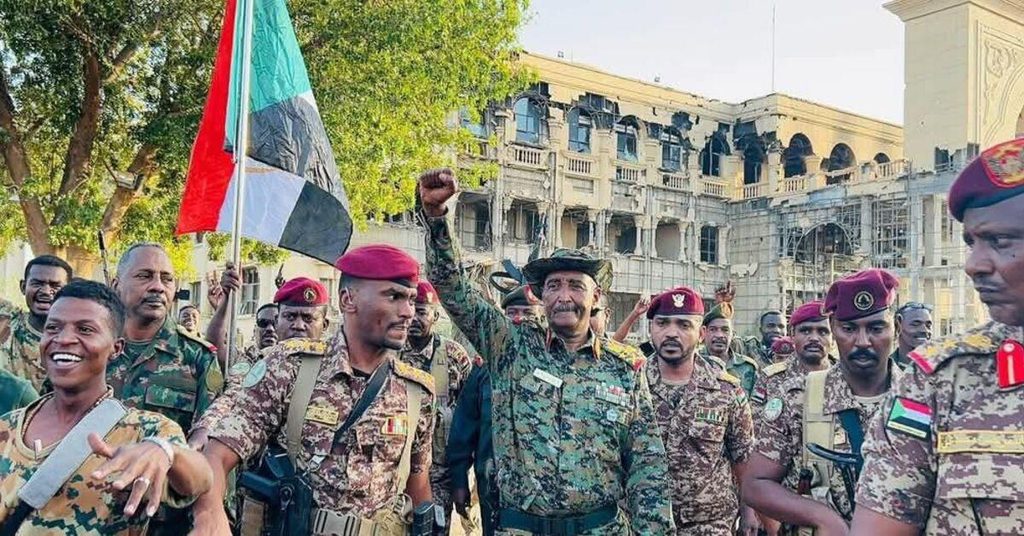
Germany has raised concerns that Sudan’s military may have operated an undeclared chemical weapons programme, widening international scrutiny beyond allegations of battlefield chemical attacks to questions about possible production, storage and military oversight.
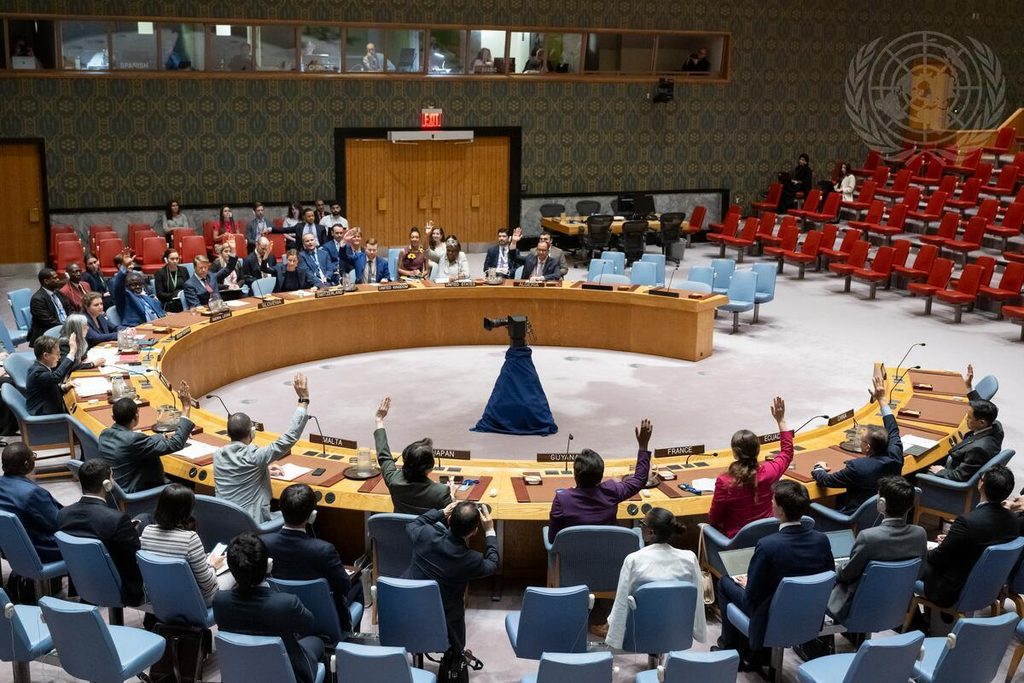
The warning came during the 113th session of the Organisation for the Prohibition of Chemical Weapons (OPCW) Executive Council in The Hague, where several governments called for greater transparency over allegations involving Sudan’s armed forces.
German Ambassador Gudrun Lingner said recent reports suggested the alleged use of chemical weapons in 2024 might not have been an isolated incident, raising questions about whether a broader, undisclosed programme could exist.
Berlin urged Sudan’s army-aligned authorities to conduct a comprehensive investigation, publish its findings and cooperate fully with the international chemical weapons watchdog.
The concerns remain allegations, and the existence of an undeclared programme has not been independently established.
Australia separately highlighted reports concerning the alleged storage and use of chemical weapons by Sudanese forces, introducing questions about potential stockpiles and the infrastructure that might support them.
Australian Ambassador Gregory French called for greater transparency regarding Sudan’s domestic investigation and stressed the importance of addressing credible evidence of violations through the OPCW.
Belgium also questioned whether information provided by Sudanese authorities adequately addressed allegations that the army used chlorine-containing munitions during the war.
Its representative, Ambassador Wouter Detavernier, called for additional explanations, reflecting concerns over whether the domestic investigation had sufficiently addressed the allegations.
The United States reiterated its earlier determination that chemical weapons were used in Sudan in 2024, with Ambassador Nicole Shampaine arguing that the country remained in breach of its obligations under the Chemical Weapons Convention.
Washington also urged member states to oppose the election of countries considered non-compliant to the OPCW Executive Council.
Finland, meanwhile, emphasised that the prohibition on chemical weapons was absolute and called for prompt, impartial investigations and accountability for any proven violations.
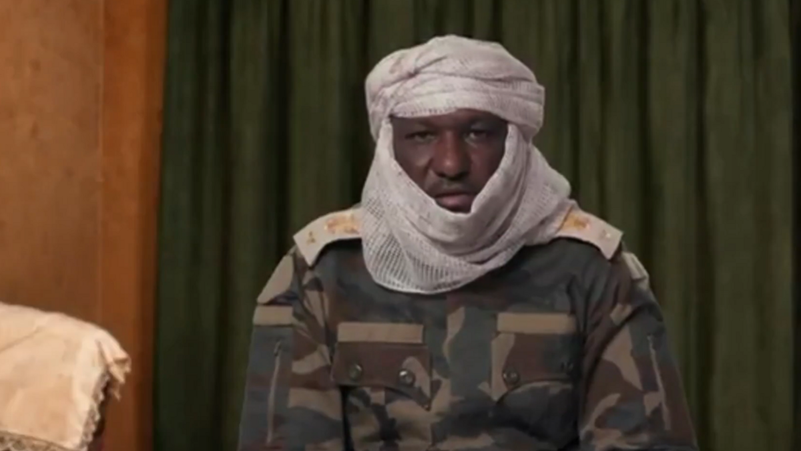
Sudan’s army-aligned authorities have denied using chemical weapons and say they are conducting their own investigation.
The latest interventions introduce a potentially more consequential question for international investigators: whether the suspected chemical attacks were isolated battlefield incidents or part of a wider military capability that has not been declared to the OPCW.