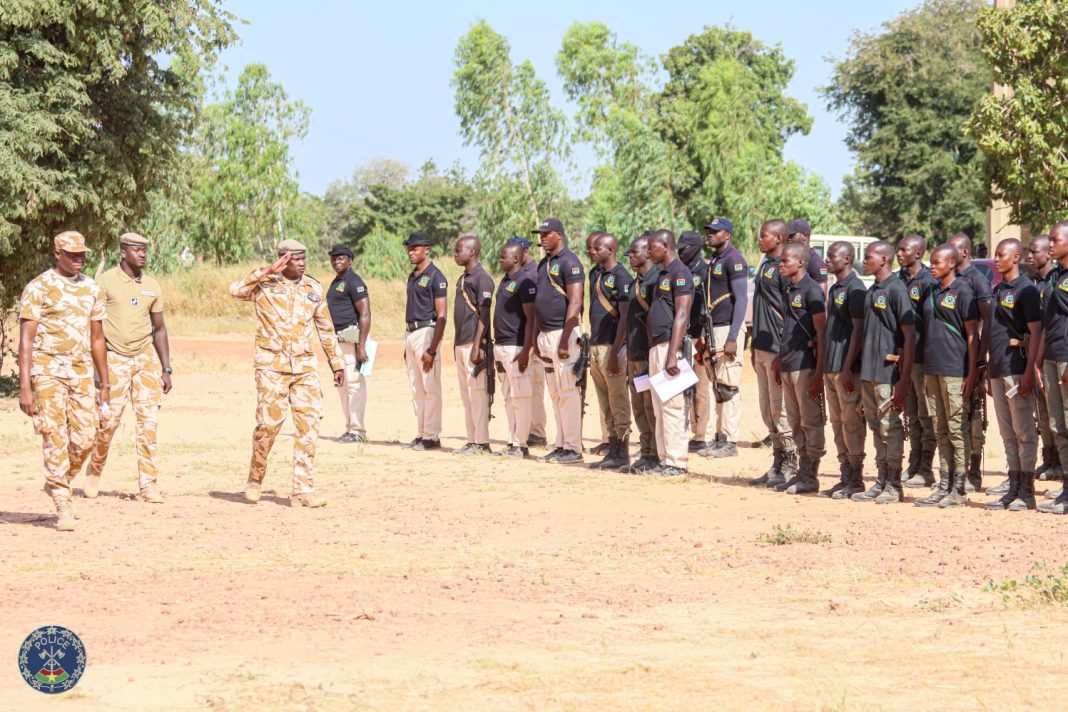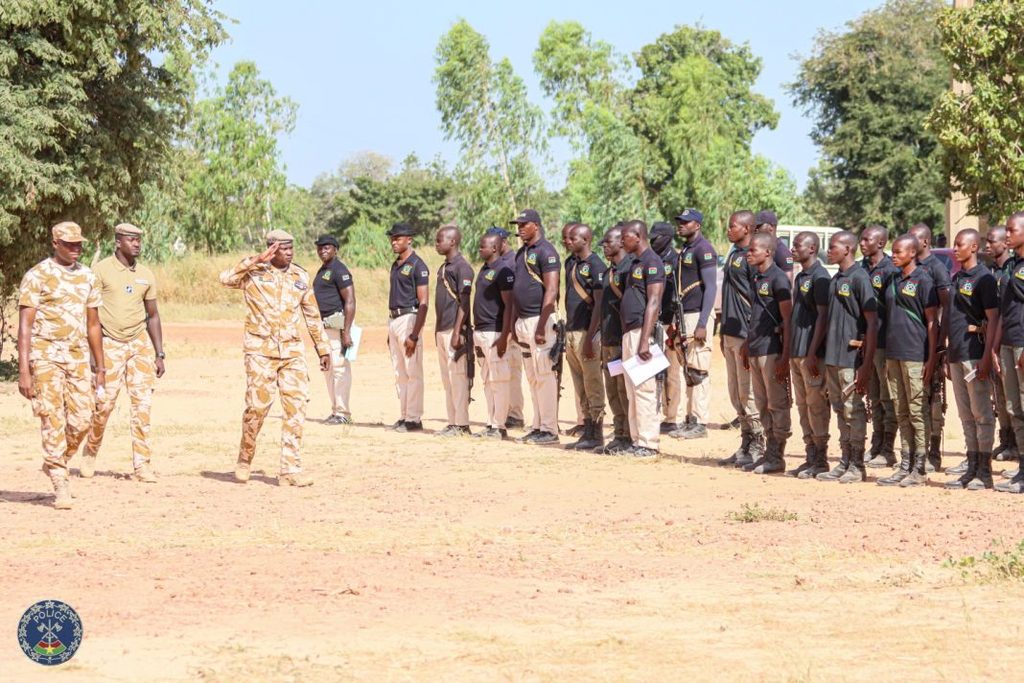
Burkina Faso’s military government has approved plans to recruit more volunteers into its armed forces as escalating militant attaks raise concerns about troop losses and the country’s ability to sustain its long-running counterinsurgency campaign.
The initiative, introduced under military leader Captain Ibrahim Traore, is intended to strengthen domestic defence capabilities and reduce reliance on foreign security partners. However, analysts warn that the recruitment drive may also reflect growing pressure on the country’s military personnel and equipment.
Burkina Faso has struggled for nearly a decade to contain armed groups, particularly Jama’at Nusrat al-Islam wal-Muslimin (JNIM), an Al Qaeda-linked coalition responsible for attacks across the Sahel.
The military increasingly relies on the Volunteers for the Defence of the Homeland (VDP), a civilian auxiliary force whose members often receive approximately two weeks of training before being armed and deployed alongside regular troops.
Military analyst Amro Diallo told Erem News that Burkina Faso’s armed forces had suffered substantial losses in recent months, particularly during attacks on military bases and convoys in the country’s northern and eastern regions.
He argued that recruiting additional civilians had yet to deliver significant battlefield gains, while raising concerns about the effectiveness and accountability of armed volunteer units.
Diallo said successive governments had failed to achieve a decisive military victory despite years of fighting, placing additional pressure on Traore, who seized power in a 2022 coup after promising to restore national security.
The growing reliance on civilian auxiliaries has also attracted scrutiny over alleged human rights violations.
Human Rights Watch reported in April that government forces and allied VDP fighters had been implicated in widespread abuses against civilians, including killings and forced displacement. Armed Islamist groups have also been accused of serious atrocities.
Political analyst Mohamed Idris said expanding civilian recruitment risked worsening accountability problems, particularly where poorly trained fighters operated with limited oversight.
He also questioned whether hastily trained volunteers could effectively confront experienced armed groups, citing logistical difficulties, inadequate equipment and limited access to advanced military technology.
According to Idris, the inability of many volunteer fighters to operate sophisticated equipment, including drones, further limits their effectiveness in increasingly complex combat operations.
The recruitment plans come as Burkina Faso and its Sahel neighbours face sustained attacks on military installations, civilian communities and economic infrastructure.
For Traore’s government, the challenge is not simply expanding the number of personnel available for deployment, but ensuring that new recruits receive sufficient training, equipment and supervision to improve security without exposing civilians to further violence.
The scale of recent military losses remains difficult to independently establish, and the recruitment initiative alone does not confirm that Burkina Faso’s armed forces are experiencing a personnel shortage.