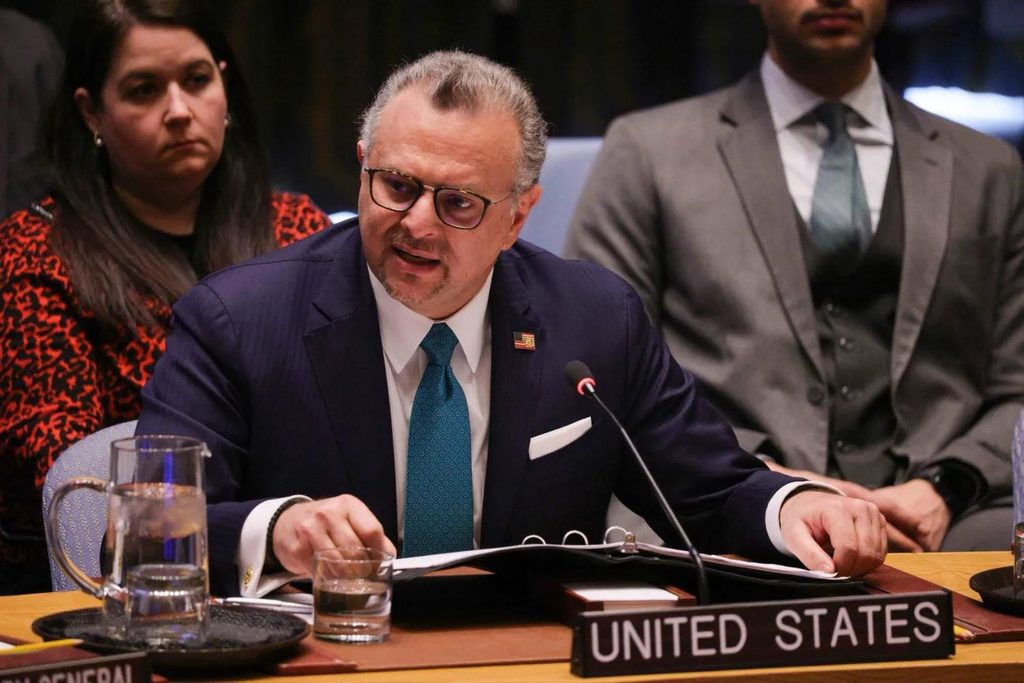
The United States has renewed its push for a nationwide arms embargo on Sudan, warning foreign governments against supplying weapons to the country’s warring forces or allowing their territories to be used to sustain the conflict.
Massad Boulos, US President Donald Trump’s senior adviser for Arab and African affairs, said Washington remained committed to expanding restrictions beyond Darfur despite failing to secure agreement at the United Nations Security Council.
In a statement published on X, Boulos warned that continued deliveries of weapons, military equipment and sophisticated technologies were prolonging Sudan’s war and worsening an already catastrophic humanitarian crisis.
He also delivered a warning to Sudan’s neighbouring countries, urging them to prevent their territories from being used to facilitate military operations or weapons transfers that contribute to the fighting.
The remarks followed Thursday’s unanimous Security Council decision to extend the existing Darfur sanctions regime until December 11, after opposition from Russia, China and other members blocked agreement on Washington’s proposed nationwide restrictions.
Boulos said the United States accepted the temporary extension following consultations with its Quad partners, international allies and Security Council members to preserve diplomatic efforts toward a negotiated settlement.
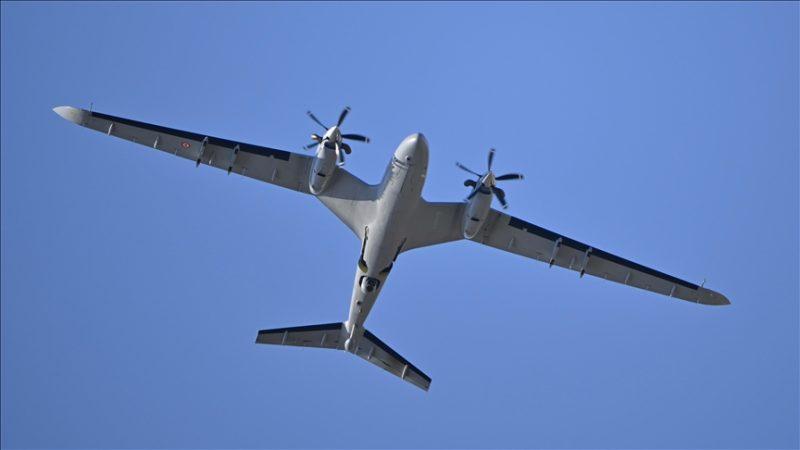
Washington maintains that the existing restrictions, largely confined to Darfur, are insufficient to address a conflict that has spread across Sudan and increasingly involves drones and other advanced weapons systems.
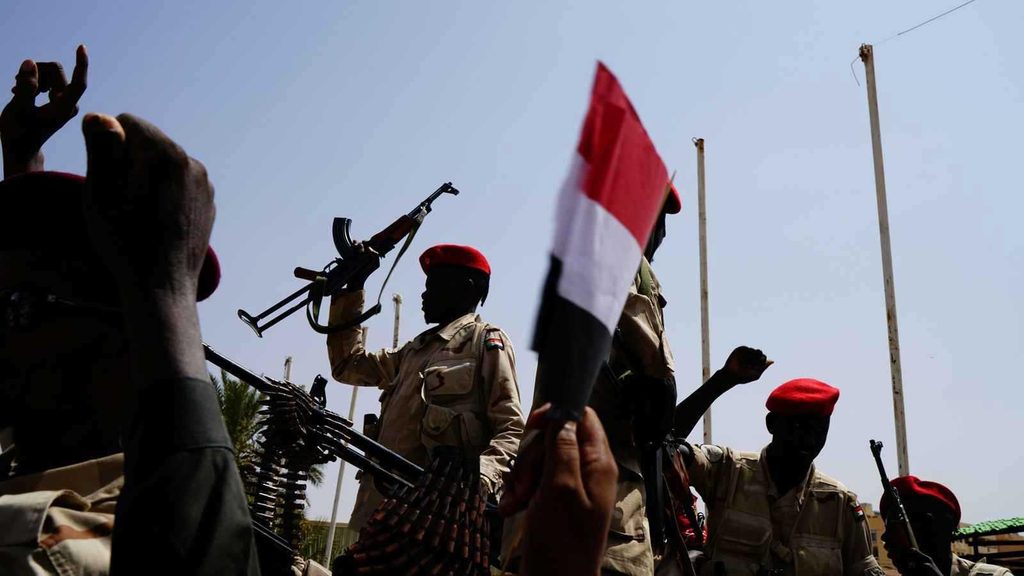
The proposed expansion would extend restrictions across the country, covering military supplies to the Sudanese Armed Forces (SAF), the Rapid Support Forces (RSF) and associated networks.
Boulos stressed that the technical extension did not represent an abandonment of Washington’s position.
“This extension is not a lapse in our resolve,” he said, describing it as an opportunity for diplomacy to produce concrete progress toward peace.
The US official also called for an end to external military assistance to Sudan’s fighting forces, arguing that continued supplies were undermining negotiations and deepening civilian suffering.
Washington has made the expansion of arms restrictions a central component of its diplomatic strategy, alongside efforts to secure a humanitarian truce, a permanent ceasefire and a credible political transition.
Boulos said any settlement must include unrestricted humanitarian access and a genuinely inclusive national dialogue leading to civilian-led government.
The latest warning comes amid continuing disagreements between international powers over whether broader weapons restrictions would help end the fighting or interfere with Sudan’s claimed right to self-defence.
Russia and China have resisted extending the embargo nationwide, while Washington argues that a broader framework is necessary to restrict the military supply networks sustaining the war.
For now, the December deadline leaves the existing restrictions intact while giving Washington and its partners another opportunity to negotiate stronger measures.
The US position also places renewed scrutiny on regional governments and international actors accused of facilitating the flow of military equipment into Sudan.
Boulos said the international community must translate its diplomatic commitments into tangible action to end the violence and establish a political process centred on the Sudanese people.