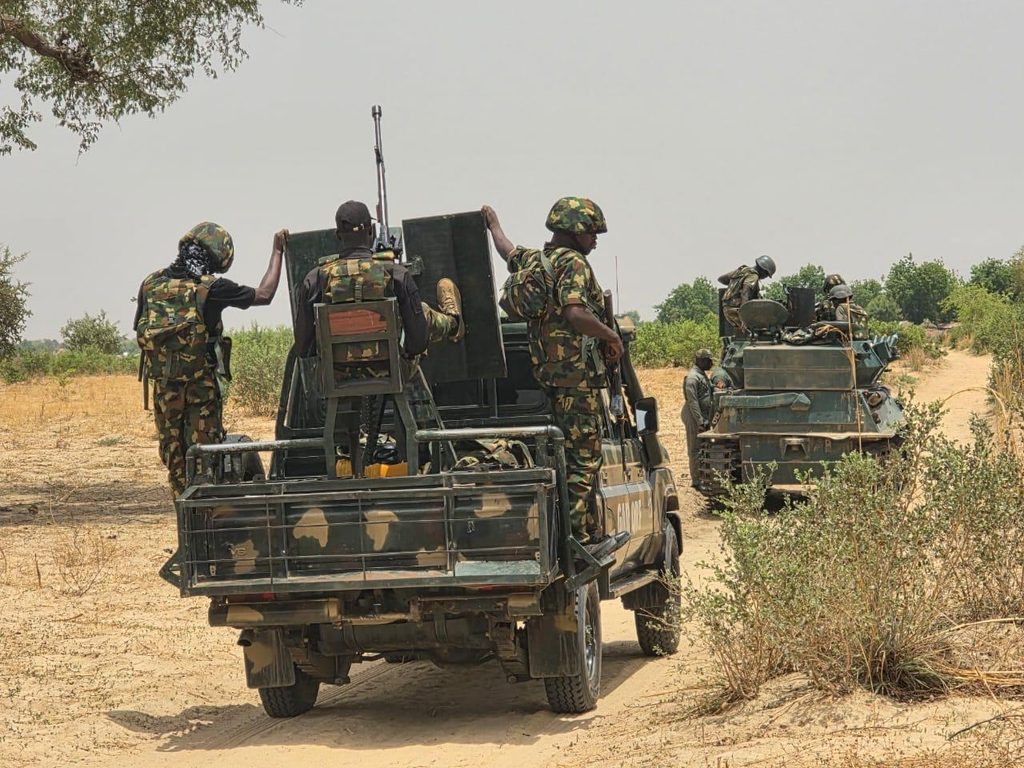
Ethiopian federal troops and allied militias have taken control of the strategic town of Adwa in the northern Tigray region without a fight, following the withdrawal of rebel forces, as mounting tensions with neighbouring Eritrea threaten to ignite a wider regional conflict.
Residents said government forces entered Adwa on Sunday after fighters belonging to the Tigray People’s Liberation Front (TPLF) abandoned the town a day earlier.
The latest territorial gain places Ethiopian government forces approximately 40 kilometres from the Eritrean border and follows a series of advances across Tigray, including the recapture of the regional capital, Mekelle, and the strategically important town of Adigrat.
The Armed Conflict Location & Event Data Project (ACLED) confirmed that Ethiopian National Defence Forces and their Tigray Peace Force allies took control of Adwa on October 11.
Despite the absence of direct fighting during the takeover, residents described widespread fear, shuttered businesses and reports of looting.
One resident told AFP that several government buildings, including Adwa Hospital, had been looted following the withdrawal of TPLF fighters.
Another resident confirmed the rebel withdrawal but said government troops had not yet reached the town centre at the time of the account.
The TPLF’s vice president, Amanuel Assefa, declined to comment on the development.
The takeover follows several days of Ethiopian military advances in northern Tigray, where federal forces have pushed rebel fighters back from positions captured during an offensive launched in September.
Earlier government airstrikes had also targeted locations in Adwa. ACLED reported a series of drone strikes in the town in early October, including attacks on hotels.
Eritrea confrontation raises fears of regional war
The latest advances come amid an increasingly dangerous confrontation between Ethiopia and Eritrea, with both governments accusing each other of aggression.
Addis Ababa has accused Eritrean troops of crossing into Ethiopian territory and advancing as far as 60 kilometres into Tigray, describing the alleged incursion as an act of aggression requiring a military response.
Eritrea has denied Ethiopia’s allegations of aggression and accused Prime Minister Abiy Ahmed’s government of manufacturing a confrontation to advance its ambitions for access to the Red Sea.
Asmara has appealed to the United Nations Security Council to intervene and take measures against Ethiopia, warning that the accusations and military escalation risk triggering another war.
Reports of Eritrean troop movements and Ethiopian drone strikes near Adigrat have intensified concerns that the renewed Tigray conflict could spill across the international border.
The two countries fought a devastating border war between 1998 and 2000 before normalising relations in 2018.
Eritrean troops later fought alongside Ethiopian federal forces against the TPLF during the 2020–2022 Tigray conflict, but the former allies have since become increasingly hostile.
Flights resume to Mekelle
Meanwhile, Ethiopian Airlines resumed commercial flights between Addis Ababa and Mekelle on Sunday, marking a significant step towards restoring transport links after weeks of fighting.
The airport had fallen under rebel control during the September offensive before government-aligned forces reclaimed the city earlier this month.
Former Tigray leader Getachew Reda, now an adviser to Prime Minister Abiy Ahmed, travelled to Mekelle alongside senior Ethiopian officials and pledged improvements in the region.
The renewed fighting, which erupted on September 23, has threatened to unravel the fragile peace agreement that ended Ethiopia’s two-year civil war in November 2022.
UN Secretary-General António Guterres has called for an immediate cessation of hostilities and renewed political dialogue, warning that further escalation could destabilise the wider Horn of Africa.