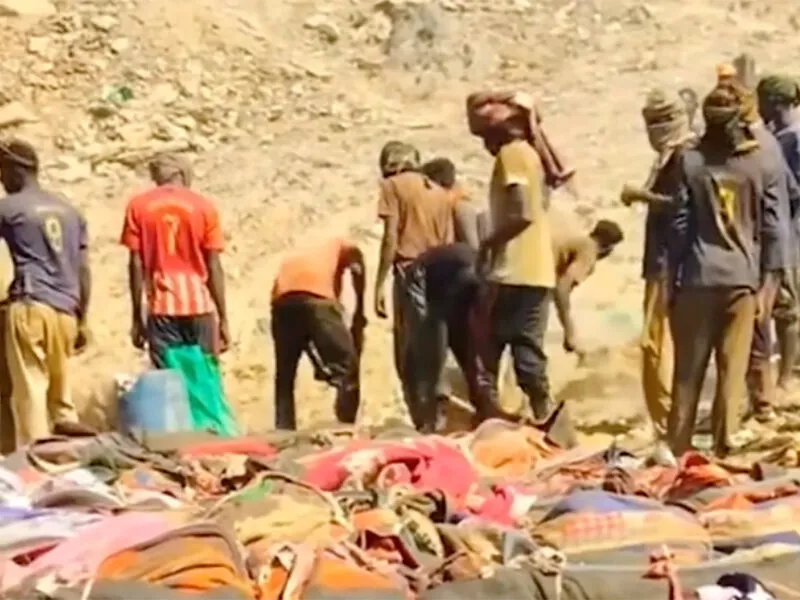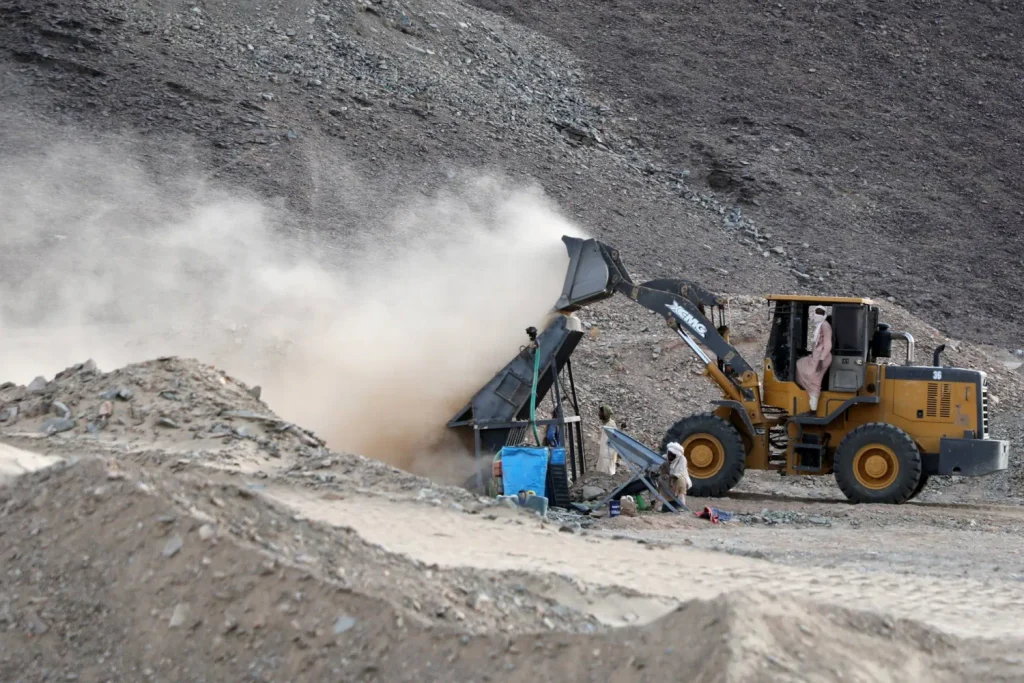
An Egyptian civil society initiative has called on authorities in Cairo and Sudan to provide a transparent account of deadly airstrikes targeting gold mining areas near their shared border, warning that efforts to combat illegal activities must not come at the expense of civilian lives.
Shaimaa Sami, founder and executive director of Egypt’s Madad Initiative, urged both governments to disclose the circumstances surrounding the attacks, which reportedly killed and wounded dozens of Sudanese miners.
Speaking to Radio Dabanga on Tuesday, Sami demanded unrestricted access for journalists, human rights monitors and humanitarian organisations to the affected areas, alongside medical assistance for survivors and compensation for victims’ families.
She expressed serious concern over the reported strikes, noting that the border region is characterised by overlapping gold mining operations, smuggling networks, human trafficking routes and economic interests connected to Sudan’s ongoing conflict.
According to Sami, these activities complicate efforts to distinguish individuals involved in illicit operations from ordinary civilians seeking livelihoods in the remote desert.
She stressed that governments have the right to secure their borders and combat smuggling, trafficking and unauthorised mining, but those operations must respect the principles of necessity, proportionality and civilian protection.
Warnings do not remove civilian protections
Sami challenged the argument that distributing warning leaflets before military operations was sufficient to protect civilians.
She said advance warnings do not remove the legal obligations of those conducting attacks to distinguish civilians from legitimate military targets and take feasible precautions to minimise civilian harm.
The effectiveness of such warnings is particularly questionable in isolated desert regions, where miners often lack transportation, alternative shelter or practical evacuation routes, she added.
Sami emphasised that warnings must provide civilians with sufficient time and a genuinely safe opportunity to leave threatened areas.
Her comments followed an Egyptian military statement on Monday confirming that security forces were continuing operations against illegal gold prospecting in the Eastern Desert.
The Egyptian military said warning leaflets had been distributed ahead of the campaign, which it described as an effort to protect national resources and enforce Egyptian sovereignty.
However, the statement did not directly confirm or deny allegations that Egyptian aircraft had carried out deadly strikes against Sudanese miners.
Concerns over Sudanese fleeing war
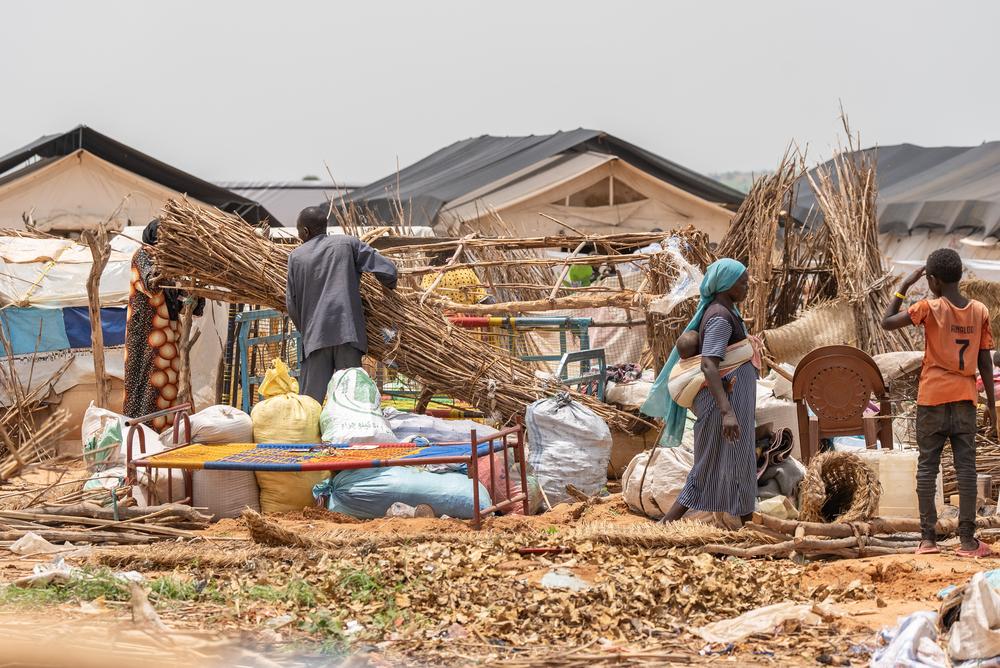
Sami also highlighted the risks facing Sudanese civilians crossing the border to escape the country’s conflict, particularly women and children vulnerable to trafficking, exploitation and military operations.
She called for stronger humanitarian protection along the border, including safe passage for displaced people and adherence to international obligations prohibiting the forcible return of refugees to places where they face serious danger.
The initiative urged the United Nations refugee agency, the International Organization for Migration and the International Committee of the Red Cross to strengthen their presence near the border.
Sami said cooperation between governments, humanitarian agencies and civil society was essential to protect vulnerable populations while addressing illegal cross-border activities.
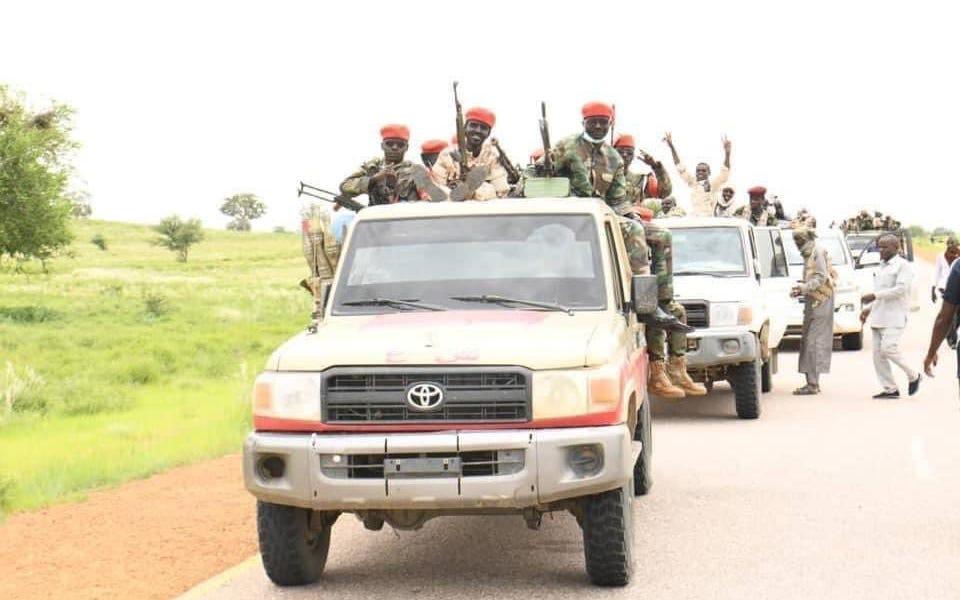
The appeal comes after Sudan’s military leader, Abdel Fattah al-Burhan, ordered a fact-finding committee to investigate the reported deaths of miners following Saturday’s strikes.
Sudanese rights organisations have accused Egyptian forces of carrying out the attacks, although responsibility and the final casualty toll remain independently unverified.
The Madad Initiative reiterated that border security operations must not endanger civilians, stressing that protecting people fleeing war is a shared responsibility of governments and international humanitarian organisations.