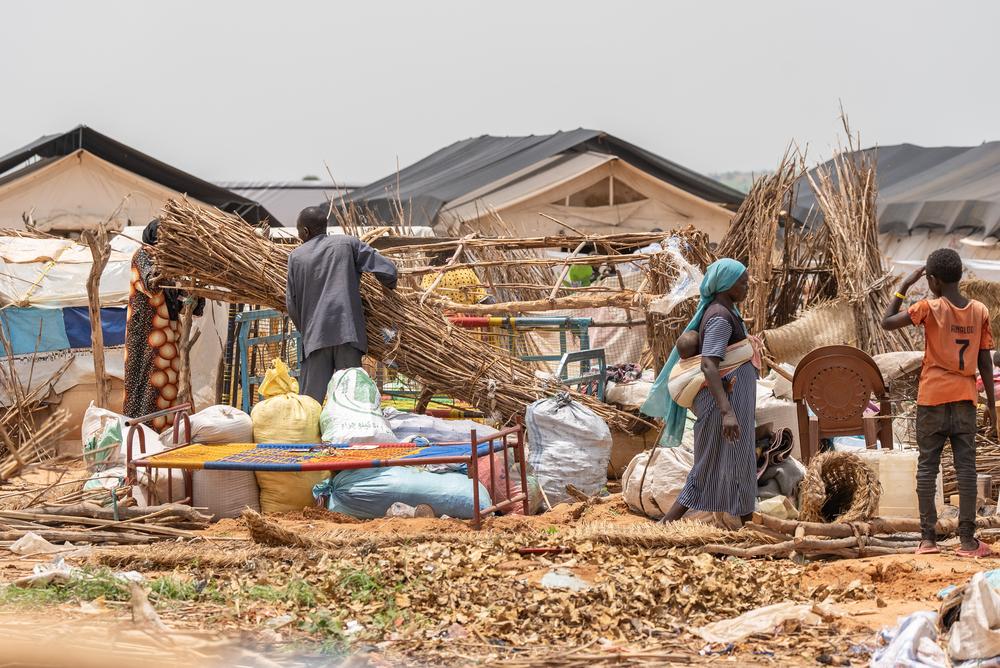
A Sudanese refugee was killed and dozens of temporary shelters were reportedly destroyed in separate incidents at a refugee camp in eastern Chad on Sunday, October 11, raising concerns over deteriorating security and worsening living conditions for displaced families.
Chadian police have launched an investigation into the killing of the young Sudanese man, with authorities working to identify those responsible, according to refugees who spoke to Radio Dabanga. The circumstances surrounding his death remain unclear.
The killing comes amid growing concerns about armed robberies, assaults and thefts targeting civilians in and around the Adré refugee camp.
The Platform of Civil Associations for Sudanese Refugees (PAGES) warned in a statement that criminal activity had increased in the surrounding area, including attacks on civilians and the seizure of personal belongings along public roads.
The organisation called on Chadian security forces, military authorities, humanitarian agencies and civil society groups in Assoungha province to take immediate measures to restore security and protect residents.
It also urged refugees and local communities to remain vigilant, cooperate with security agencies and report suspicious activity.
Meanwhile, a major fire swept through sections of the Adré camp on Sunday, destroying numerous makeshift shelters and leaving affected families without accommodation.
A refugee told Radio Dabanga that strong winds accelerated the spread of the flames, while the absence of firefighting vehicles prevented an effective emergency response.
In a separate development, temporary shelters occupied by Sudanese refugees west of Adré Secondary School were reportedly bulldozed, forcing additional families from their homes.
The identity of those responsible for the demolitions, the reasons behind the operation and the number of affected households have not been established.
The incidents have intensified concerns over the safety and living conditions of Sudanese refugees in eastern Chad, where displaced communities continue to face security threats and inadequate shelter.