Zimbabwe is preparing a $500 million emergency cash and grain reserve to protect food supplies against an anticipated El Niño-driven drought that could sharply reduce agricultural production in 2027, Finance Minister Mthuli Ncube said on Wednesday.
The government plans to allocate $250 million in cash and a further $250 million for grain purchases in its 2027 national budget, which is expected to be presented next month, Ncube and finance ministry officials told a briefing in Harare.
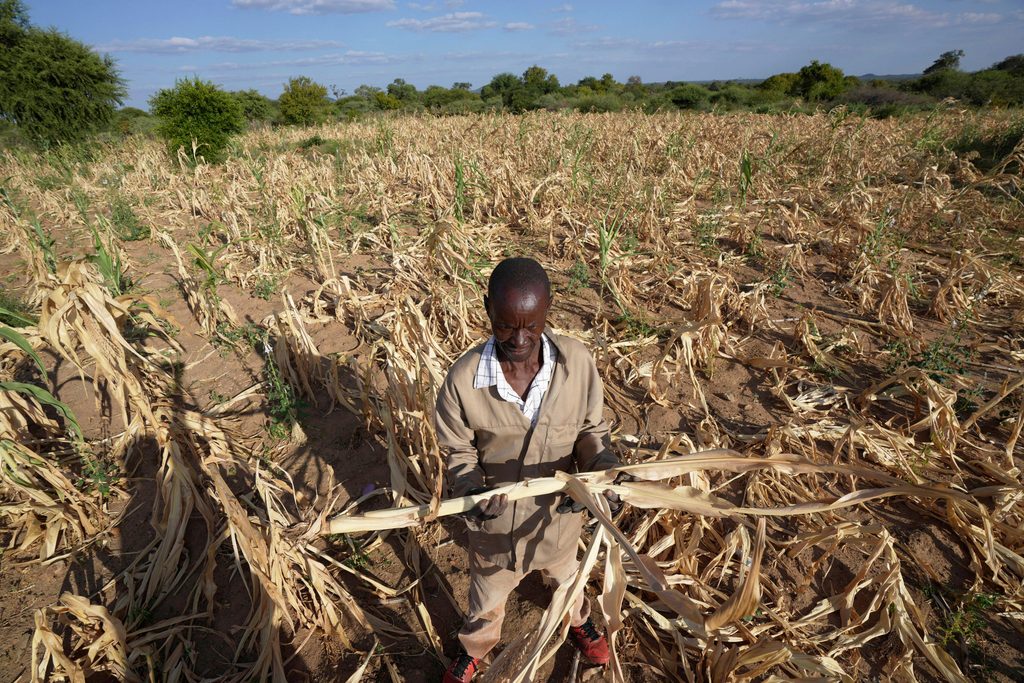
The move comes as Zimbabwe braces for another difficult agricultural season, with maize production projected to fall by nearly 30% due to anticipated dry weather conditions.
Officials expect the country to harvest approximately 1.6 million metric tons of maize in 2027, compared with significantly higher production in 2026.
Zimbabwe requires around 2.2 million metric tons of maize annually, including approximately 400,000 tons used for livestock feed, raising concerns about a potential shortfall if the drought materialises.
Ncube said the government had already purchased approximately 200,000 metric tons of maize from domestic farmers to strengthen its strategic grain reserves.
The expected drought has also prompted authorities to revise their economic outlook, lowering the country’s 2027 growth forecast to 3.5% from an earlier projection of 5%.
Agriculture remains a vital part of Zimbabwe’s economy, supporting rural livelihoods and contributing significantly to employment and national food supplies.
The country has faced persistent agricultural challenges since land seizures under former President Robert Mugabe disrupted commercial farming in the early 2000s. Increasingly unpredictable rainfall and prolonged dry spells have added pressure to food production.
In 2024, Zimbabwe declared a national disaster after a severe El Niño-induced drought devastated crops and left millions of people requiring food assistance.
El Niño is a naturally occurring climate phenomenon associated with warmer Pacific Ocean temperatures that can disrupt rainfall patterns across the globe, bringing drought to some regions and excessive rainfall to others.
The government’s latest contingency measures are intended to cushion households and agricultural markets against another potential food supply crisis as Zimbabwe prepares for the 2027 growing season.