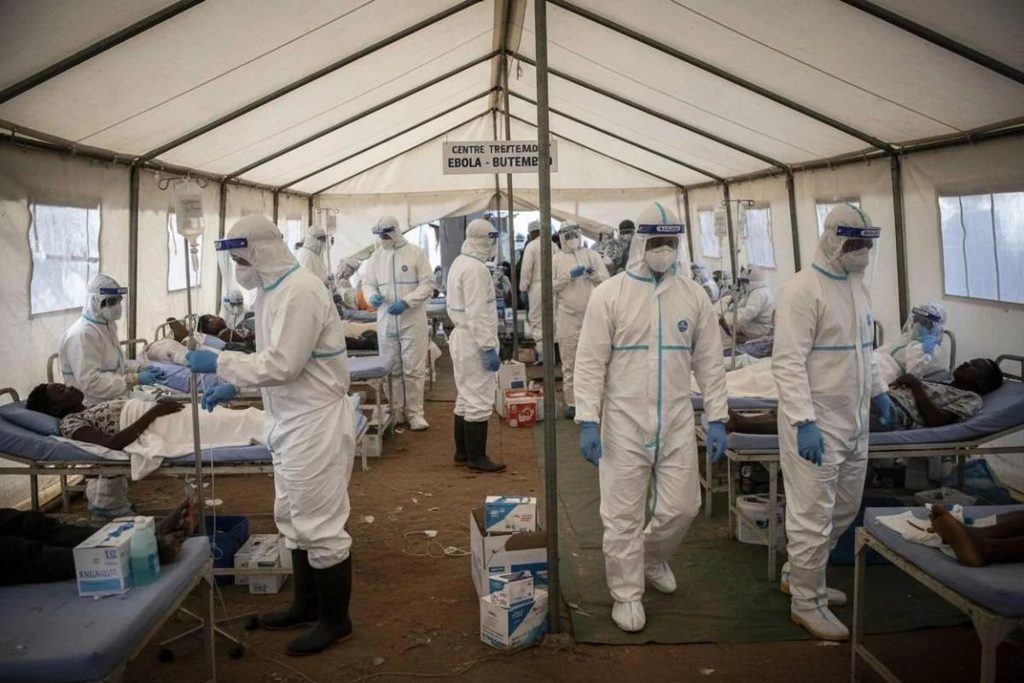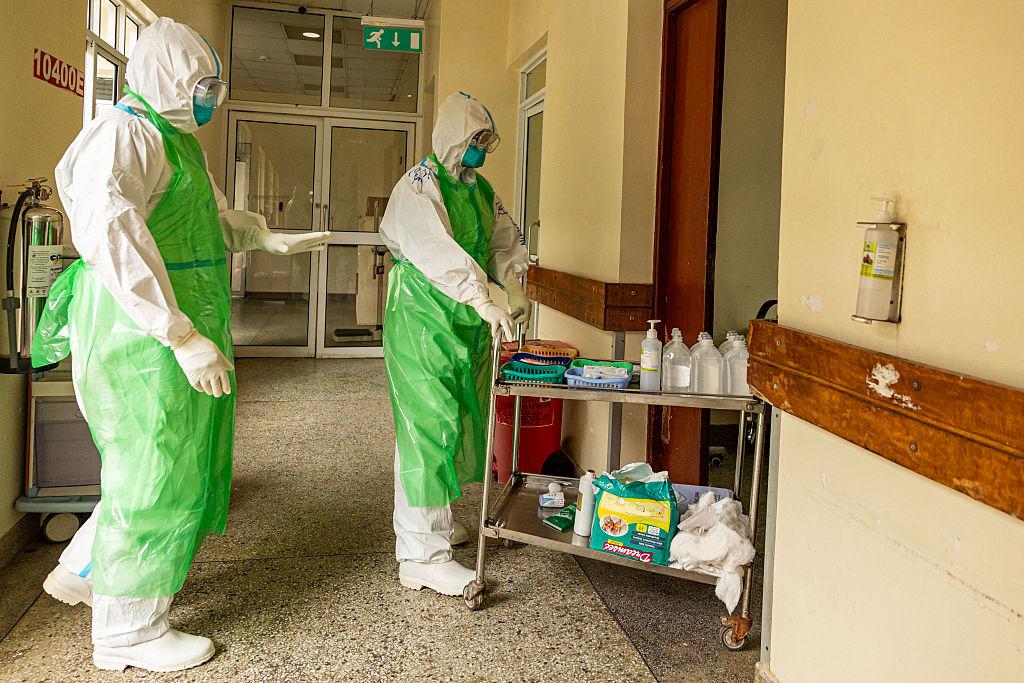
Kenya has confirmed a second Ebola infection after a close relative of the country’s first patient tested positive, raising concerns over the cross-border spread of the deadly virus from the Democratic Republic of Congo.
Kenya’s Health Ministry said on Wednesday that a 39-year-old man developed symptoms on Tuesday while already in quarantine after being identified as a close contact of the country’s first Ebola patient.
The announcement comes just over a week after Kenya recorded its first-ever Ebola case, involving a Kenyan national who had been living in the Democratic Republic of Congo (DRC) and died at a Nairobi hospital on October 5.
According to health officials, the first patient had fallen ill in Congo approximately a month before travelling overland to neighbouring Uganda. He subsequently boarded a flight to Nairobi on October 3, where a relative transported him to hospital.
The circumstances surrounding his journey have raised questions about regional border surveillance and health screening procedures, particularly after it emerged that he had crossed the border between Congo and Uganda despite restrictions imposed in May.
Kenya is now the fourth country to report an infection linked to the ongoing Ebola epidemic in the DRC, which has become the world’s second-largest recorded outbreak, with more than 8,000 infections and 4,000 deaths.
Uganda recorded 20 infections and two fatalities earlier this year before being declared Ebola-free in August. France also reported an imported case in June involving a doctor who had returned from Congo, although authorities recorded no subsequent transmission.
The latest infection in Kenya highlights the continuing risk of cross-border transmission despite efforts by regional health authorities to contain the epidemic.
Ebola is transmitted through direct contact with the blood or other bodily fluids of infected individuals, including those who have died from the disease.
Symptoms typically include fever, severe weakness, vomiting and diarrhoea. In more serious cases, patients may experience internal or external bleeding.
The outbreak in Congo was officially declared in mid-May, although health authorities believe transmission may have begun several months earlier.
The epidemic is caused by the relatively rare Bundibugyo strain of the Ebola virus, complicating regional efforts to contain its spread.
Kenyan authorities have not reported additional confirmed cases beyond the two infections announced so far.