Civilian authorities in South Darfur have imposed a three-month emergency order banning firearms in public places, tribal gatherings and incitement, as officials seek to strengthen security across the state following renewed communal violence.
The directive, signed by Salah Ahmed Ismail, known as Al-Moj, head of South Darfur’s RSF-aligned civil administration, introduces restrictions on armed activity, public gatherings and conduct considered a threat to civilian safety.
According to local Sudanese media, which obtained details of the decree, the measures prohibit carrying firearms in markets and public gatherings, firing weapons during celebrations and displaying firearms inside vehicles. Authorised security personnel are exempt from certain restrictions.
The order also bans gatherings organised along tribal lines, inflammatory speeches and banners promoting ethnic hostility, as well as activities authorities consider likely to provoke discrimination or public disorder.
The restrictions follow renewed tribal violence in South Darfur, including clashes between two clans of the Beni Halba tribe in Ed al-Fursan locality that reportedly killed six people over the weekend.
Authorities said on Tuesday that security forces had contained the fighting and were working with community leaders to prevent further escalation.
The emergency decree also introduces restrictions on publishing or circulating information that authorities determine could endanger civilians, undermine public security or encourage ethnic hatred and division.
Other prohibited activities include drug trafficking, dealing in stolen property, smuggling resources into neighbouring states or countries, and damaging public or private property.
The order further prohibits tribal leaders from interfering in criminal, civil or religious legal proceedings, except when acting as mediators to facilitate reconciliation.
Civilians are barred from wearing military uniforms, while military personnel who participate in tribal fighting or support ethnic mobilisation face disciplinary or judicial action.
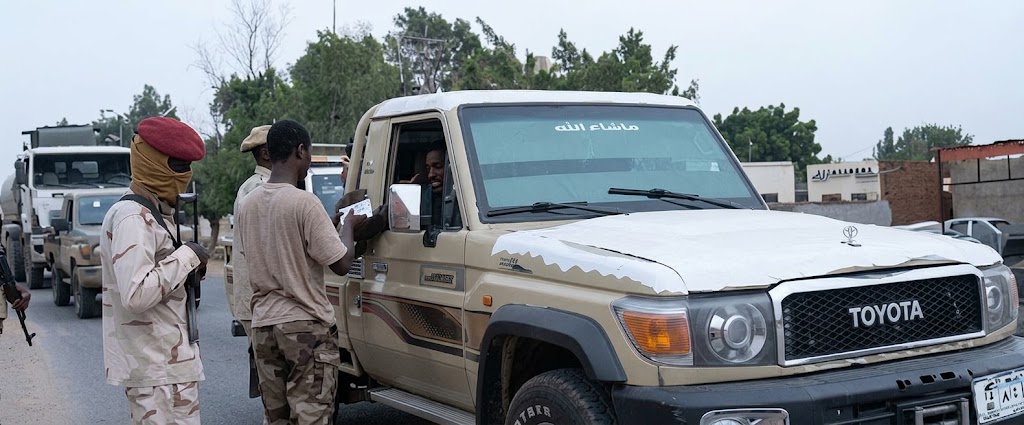
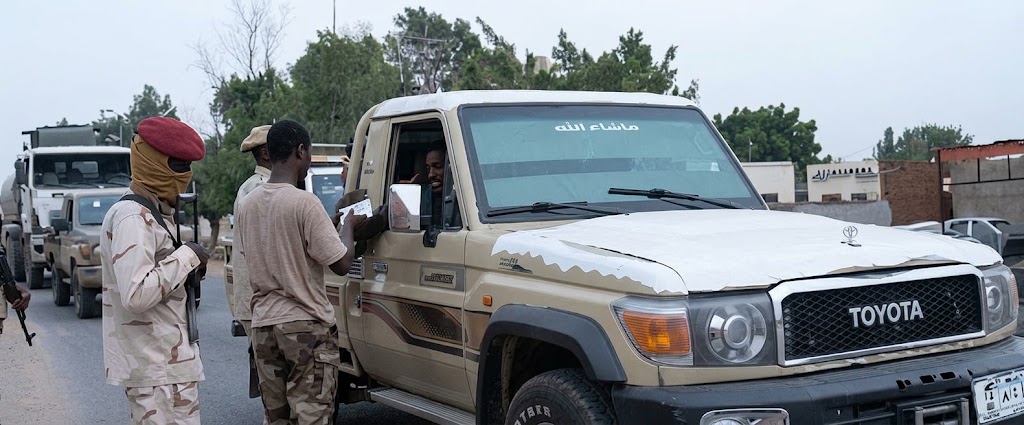
Joint police and Rapid Support Forces units have been assigned responsibility for enforcing the restrictions, protecting markets and public gatherings, and securing fuel stations and checkpoints.
The decree prohibits unlawful detention and provides for police custody of suspects accused of violating its provisions.
It also authorises searches under specified conditions and grants personnel implementing the measures procedural immunity, requiring approval from the head of the civil administration before legal proceedings can be initiated against them for actions carried out in the course of their duties.
Emergency courts or other designated civilian courts will handle violations involving civilians, while military courts will retain jurisdiction over military personnel.
Violators face up to one year in prison, fines of up to 10 million Sudanese pounds, or both. Authorities may also confiscate equipment and materials used in offences, with penalties doubled for repeat violations.
South Darfur’s authorities introduced similar security restrictions in June, including measures targeting armed activity, ethnic mobilisation and criminal networks.