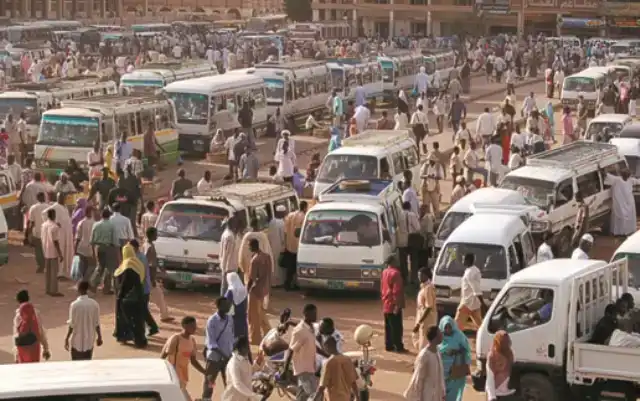
Public transport fares on several routes across Sudan’s capital, Khartoum, have reportedly surged by more than 100%, as worsening fuel shortages and long queues at petrol stations place additional financial pressure on residents.
Passengers have complained that some minibus operators are imposing sharp fare increases, taking advantage of fuel shortages and rising operating costs to charge prices significantly above officially approved rates, according to local Sudanese media.
The reported increases have affected several major transport routes, including Libya Market–Arab Market, Al-Thawrat–Al-Shuhada and Umbadda–Arab Market.
Commuters also accused some drivers of deliberately dividing established routes into shorter journeys, forcing passengers to pay multiple fares to reach destinations previously served by a single trip.
The increases come as Khartoum residents struggle with soaring living costs, limited access to cash and the broader economic consequences of Sudan’s continuing conflict.
Fuel shortages have further disrupted daily transport services, with lengthy queues at filling stations reducing vehicle availability and adding to the difficulties faced by commuters.
Residents say the rising cost of transportation is making it increasingly difficult for workers and families to travel across the capital, particularly those dependent on public minibuses for their daily journeys.
Affected passengers have urged transport authorities and traffic police to strengthen oversight, enforce officially approved fares and require drivers to display clear fare notices inside their vehicles.
They also called for penalties against operators found charging unauthorised prices or manipulating established routes to collect additional payments.