Kenya has confirmed a ninth Ebola infection, but health authorities say all cases remain linked to a single cluster, with no evidence that the virus has spread into the wider community.
The Ministry of Health announced on Tuesday that the latest patient, a 24-year-old man related to the country’s first confirmed Ebola case, tested positive on October 19 after developing symptoms while already in quarantine.
The new infection brings Kenya’s total to nine confirmed cases, including one death, as authorities intensify efforts to contain the outbreak.
Director-General for Health Patrick Amoth said the eight surviving patients were responding positively to treatment and remained under close medical supervision.
Health officials said all confirmed infections could be traced to the initial patient, who travelled from the Democratic Republic of Congo (DRC) through Uganda before arriving in Nairobi earlier this month. He died on October 5.
According to Amoth, there is currently no evidence of transmission beyond the identified group of patients and their contacts.
Contact tracing reaches 99 percent
Kenyan authorities have identified 135 people who may have been exposed to the virus, successfully tracing and quarantining 134 of them.
The ministry said the 99.3 percent contact-tracing rate exceeded the international response benchmark of 85 percent.
However, officials cautioned that additional contacts could be identified as investigations continue into the movements and interactions of newly confirmed patients.
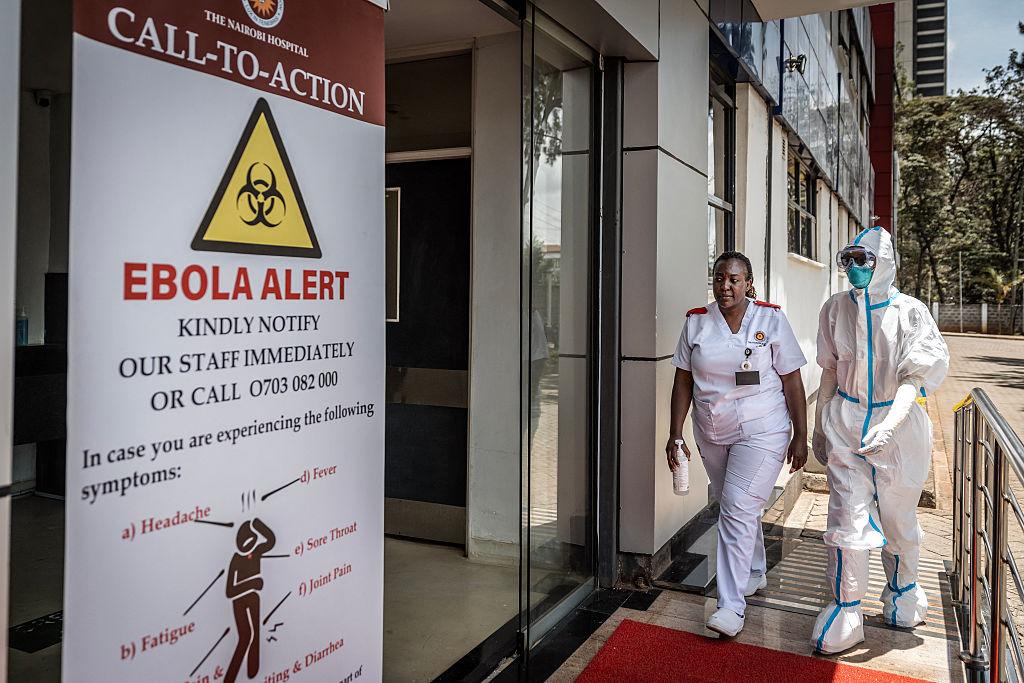
Health authorities also reported that no infections had occurred inside designated quarantine facilities, suggesting that existing isolation and infection-control measures were helping prevent further transmission.
People placed in quarantine on October 6 who remain symptom-free are expected to begin returning home on October 25 after completing the required monitoring period.
Hospitals strengthen Ebola response
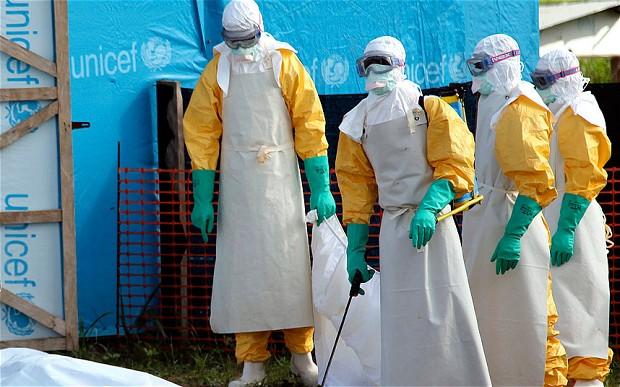
The government has received 500 doses of medicines intended to support Ebola treatment and has distributed protective equipment, diagnostic supplies and other medical resources to 28 counties classified as high-risk or very high-risk.
A dedicated testing laboratory has also been established at the Kenyatta National Hospital Infectious Disease Unit in Nairobi, allowing Ebola samples to be processed without disrupting routine hospital services.
Despite the growing case count, Kenyan authorities have not introduced restrictions on travel, trade or public gatherings.
Officials maintain that the outbreak remains contained within a known transmission cluster, although surveillance and contact tracing are continuing.
Regional outbreak raises concerns
Kenya’s infections come amid a major Ebola epidemic in neighbouring DRC, where the disease has spread across eight provinces.
According to the European Centre for Disease Prevention and Control, the DRC had recorded 9,552 confirmed infections and 4,602 deaths as of October 19, based on surveillance data through October 18.
The outbreak, caused by the Bundibugyo strain of Ebola, is the second-largest recorded globally, behind the devastating 2014–2016 epidemic in West Africa.
Regional health authorities remain concerned about cross-border transmission, particularly because of frequent population movements between Congo, Uganda and Kenya.
Kenyan officials say continued surveillance, early detection and rapid isolation remain essential to preventing additional infections.
The Ministry of Health has urged the public to remain vigilant while maintaining that the country’s current containment measures are working.