Protests have erupted across parts of eastern Sudan under the control of the Sudanese Armed Forces (SAF), as a deepening economic crisis, soaring food prices and the collapse of the national currency push millions of people towards further hardship.
Demonstrations broke out on Thursday in several eastern cities after the Sudanese pound plunged beyond 10,000 to the US dollar on the parallel market, compared with approximately 600 pounds before the war began in April 2023.
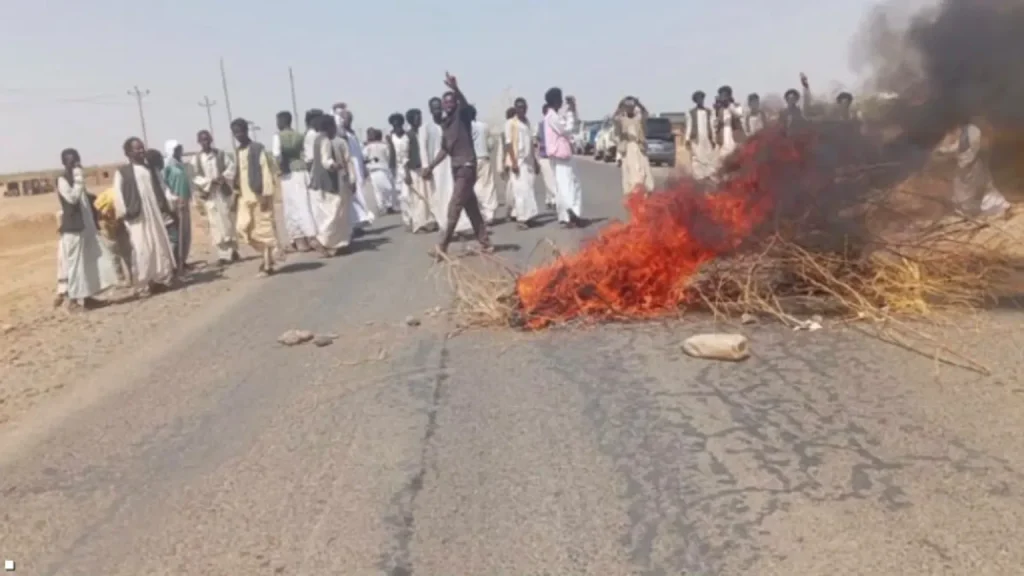
Protesters burned tyres along a major highway connecting Port Sudan, the country’s principal commercial gateway and the seat of the military-backed administration, with other parts of the country.
In footage circulated on social media, one demonstrator was heard shouting, “We don’t want to die of hunger,” reflecting growing public anger over deteriorating living conditions.
The unrest comes as severe fuel shortages, dwindling supplies of cooking gas and rapidly increasing food prices place additional pressure on households already struggling with the consequences of more than three years of war.
Millions of Sudanese are finding it increasingly difficult to afford basic necessities, raising concerns about worsening hunger and poverty.
Markets grind to a halt
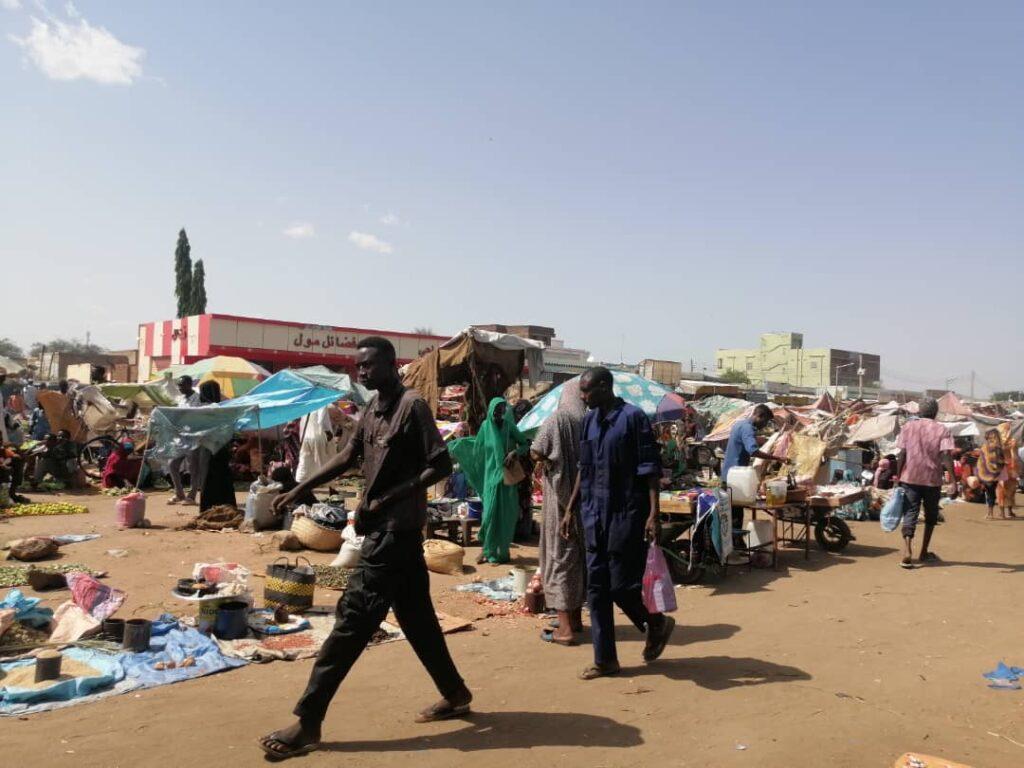
Commercial activity has slowed dramatically across Khartoum, Omdurman and other major urban centres, with traders reporting sharp declines in sales as consumers struggle to cope with rising prices.
Videos shared by local activists reportedly show deserted markets and limited trading activity, highlighting the growing strain on businesses and households.
Merchants say the currency’s rapid depreciation has made normal commercial transactions increasingly risky, with goods purchased at one price potentially becoming significantly more expensive to replace within days.
Mahmoud al-Nour, a trader in the Kalakla district south of Khartoum, told Sky News Arabia that businesses faced an increasing risk of bankruptcy because of declining sales and unpredictable prices.
He said many merchants were reluctant to sell their remaining stock because the proceeds might no longer cover the cost of replacing it.
Prices of bread, meat, vegetables and other essential commodities have continued to rise, while increasing transportation costs and government-imposed fees have added to the financial burden.
The crisis has been compounded by declining agricultural production, drought in important grain-producing regions and the destruction of economic infrastructure during the conflict.
Sudanese pound plunges beyond 10,000
The Sudanese pound’s latest decline has intensified uncertainty across the country’s financial markets.
Currency dealers report growing demand for US dollars and other foreign currencies as confidence in the pound continues to weaken.
One foreign exchange trader told Sky News Arabia that the market had become increasingly unpredictable, with businesses and individuals seeking to protect their savings against further depreciation.
The currency crisis reflects broader structural damage to Sudan’s economy, including falling exports, reduced industrial output and a severe shortage of foreign exchange.
Economists warn that the continuing war has accelerated economic deterioration, while the policies of the Port Sudan authorities have added further pressure on businesses and consumers.
Economic policies under scrutiny
Sudanese economist Hassan Bashir said the country’s economic collapse could not be attributed solely to wartime destruction.
He argued that the management of public resources, government spending priorities and the increasing financial burden imposed on businesses had also contributed to the crisis.
According to Bashir, the expansion of taxes, administrative fees and other levies has weakened commercial activity at a time when production and household incomes are already severely diminished.
He warned that monetary financing and repeated taxation across different administrative authorities have contributed to inflation and further eroded purchasing power.
Sudan has reportedly lost approximately half of its productive capacity since the conflict began.
Figures cited in the report indicate that the country’s economy has contracted by more than 46 percent cumulatively, while poverty has risen to approximately 81 percent and more than 60 percent of households have lost their sources of income.
The latest demonstrations highlight growing frustration in territories controlled by the SAF, where the worsening economic situation is placing increasing pressure on the military-backed authorities in Port Sudan.
With the war continuing, production declining and the currency losing value, Sudan faces an increasingly severe economic and humanitarian emergency, leaving millions of families struggling to secure even their most basic daily needs.