The Sudan Founding Alliance (TASIS) has accused military chief Abdel Fattah al-Burhan of exploiting the Russia-Africa summit in Moscow to secure foreign backing and prolong Sudan’s war, warning that growing regional tensions risk turning the country into a battlefield for competing powers.
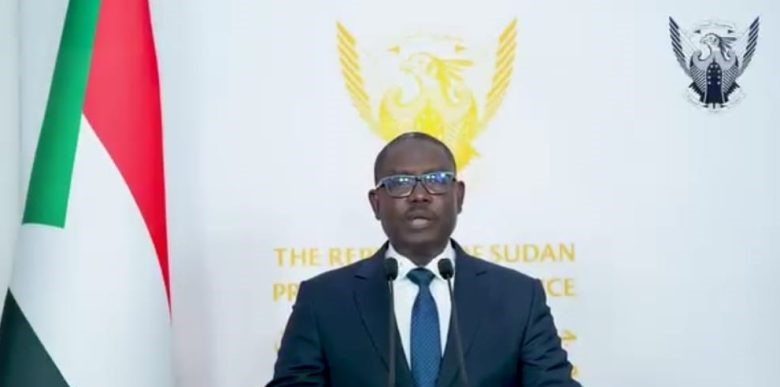
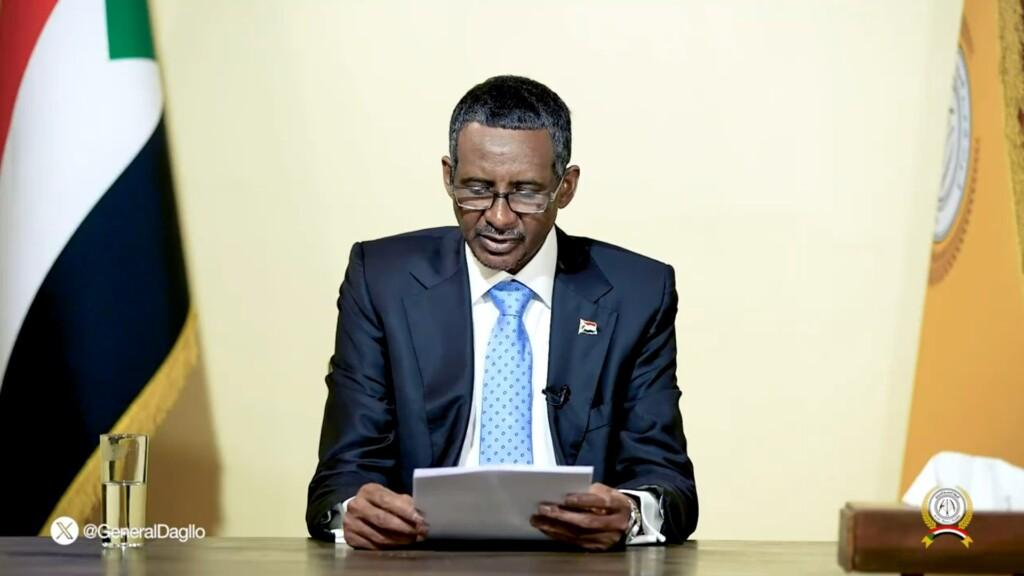
In a statement issued on Friday, TASIS spokesperson Ahmed Tugod Lisan said the alliance was concerned that Burhan’s participation in the summit could strengthen his political and military position while undermining efforts to secure a negotiated settlement.
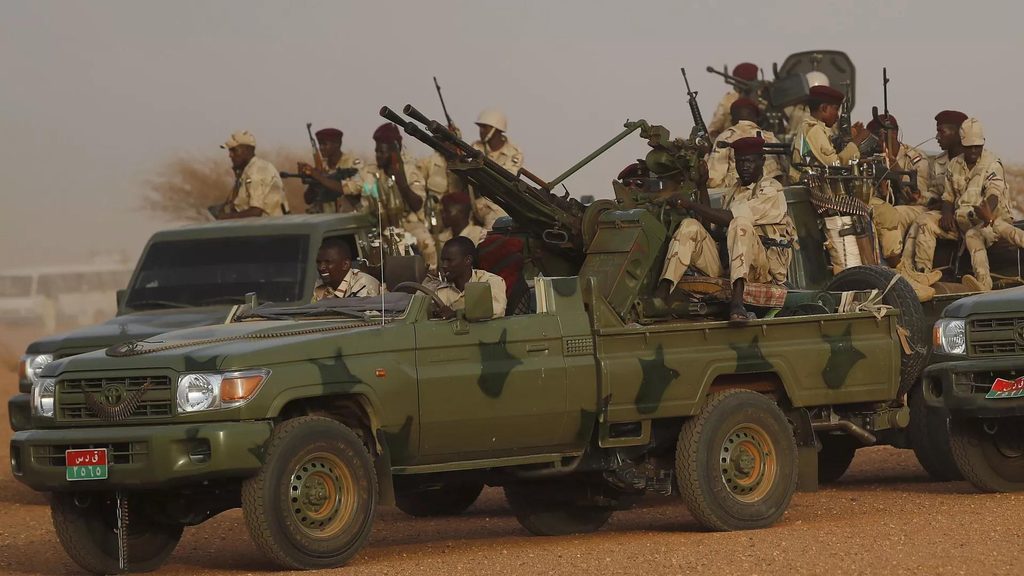
The alliance accused the Port Sudan authorities of seeking military, economic and diplomatic assistance to sustain their campaign against the Rapid Support Forces (RSF) and allied groups.
TASIS also objected to Burhan’s participation as Sudan’s representative, questioning the political legitimacy of the military-led authorities and accusing them of maintaining close ties to networks associated with former president Omar al-Bashir’s Islamist movement.
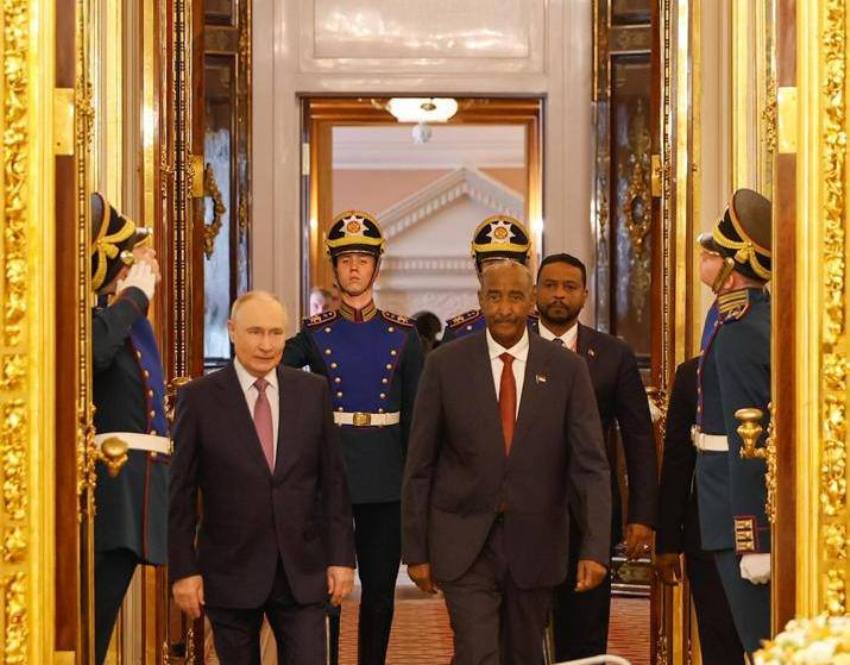
The statement came as Burhan held discussions with Russian President Vladimir Putin during the third Russia-Africa summit, where Moscow sought to expand political, economic and security cooperation with African governments.
Warning over regional tensions
TASIS warned that escalating tensions between Ethiopia and Eritrea could be exploited to expand military alliances and draw Sudan deeper into regional disputes.
The alliance alleged that Ethiopian fighters had participated alongside Sudan’s military and that Sudanese armed groups aligned with the Port Sudan authorities had received training in Eritrea.
It also referred to reported coordination involving Ethiopian opposition groups operating inside Sudan.
These allegations could not be independently verified, and the statement did not provide publicly accessible evidence establishing the extent of the alleged activities.
TASIS said such developments could transform Sudan into a theatre for proxy conflicts, threatening regional security and stability across the Horn of Africa.
The alliance welcomed peaceful initiatives intended to resolve differences between Ethiopia and Eritrea but warned against using their rivalry to advance military objectives connected to Sudan’s conflict.
Diplomatic recognition questioned
The alliance criticised international platforms that allow Burhan to participate in high-level diplomatic meetings without addressing allegations of abuses committed by forces under his command.
TASIS argued that Sudan’s diplomatic relationships and natural resources should not be used to finance or prolong the conflict.
It also accused Islamist groups aligned with the military of contributing to the country’s prolonged instability and humanitarian catastrophe.
The statement reflects growing diplomatic friction between TASIS and the Port Sudan authorities as both seek to strengthen their international relationships.
Russia has maintained close ties with Sudan’s military leadership, with discussions in Moscow covering economic cooperation, mining interests and possible development projects along Sudan’s Red Sea coast.
The TASIS alliance, established in 2025, has repeatedly called for a political settlement that addresses Sudan’s governance crisis alongside military and security arrangements.
Sudan’s war erupted in April 2023 following a power struggle between the military and RSF, devastating infrastructure, displacing millions of civilians and worsening food insecurity across large parts of the country.