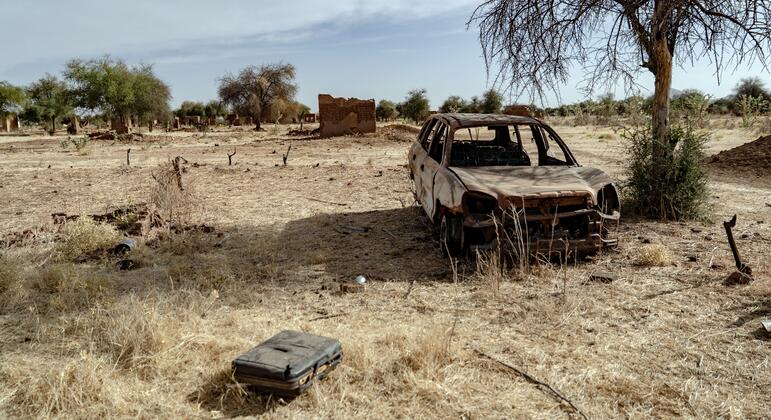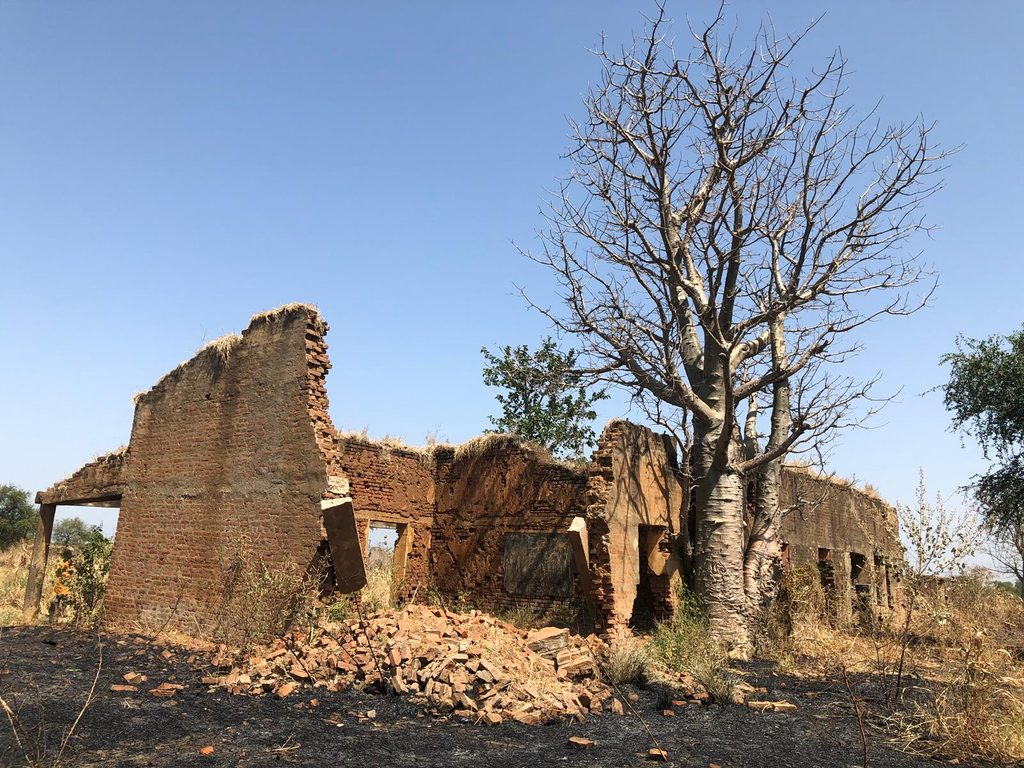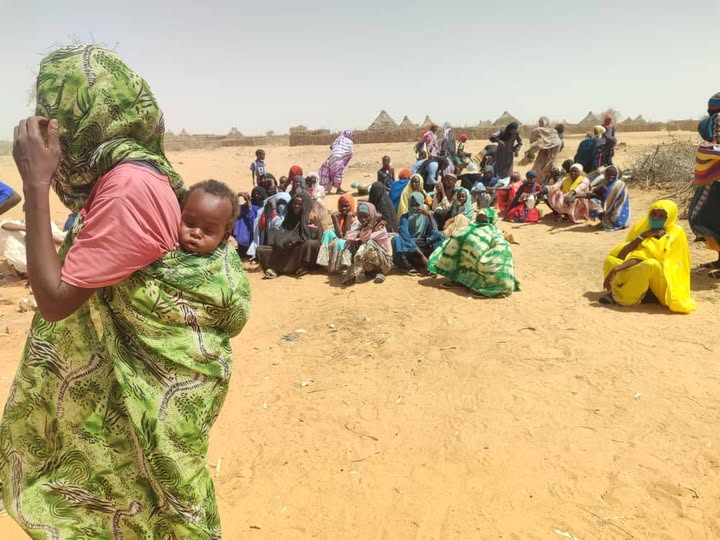
Around 2,000 people have fled villages in Sudan’s North Darfur state following renewed insecurity in areas that have recently witnessed military operations, according to estimates from the International Organization for Migration (IOM).
The UN migration agency reported that 850 people were displaced from the villages of Kamo and Toki in Kernoi locality on Saturday, while another 1,150 fled four villages in neighbouring Um Baru between October 29 and 31.
The latest displacement affected communities in Muzbat, Oreri, Tari and Umm Haraz, where deteriorating security conditions forced families to abandon their homes.
According to the IOM, some displaced residents moved to safer areas within Kernoi and Um Baru, while others crossed the western border into neighbouring Chad.
The new displacement comes after the Rapid Support Forces (RSF), operating under the Sudan Founding Alliance (TASIS), announced that its fighters had captured three strategic areas in North Darfur, including Mazbad, Aruri and Kamo.
The RSF said its forces had seized military equipment and driven Sudan’s military and allied armed movements from the areas following clashes.
The battlefield claims have not been independently verified, and the IOM has not attributed the latest displacement to a particular armed group.
The developments underscore continuing instability in parts of North Darfur despite efforts by the TASIS-backed Government of Peace and Unity to restore civilian administration, facilitate humanitarian access and support the return of displaced residents.
North Darfur has experienced repeated population movements since the conflict between Sudan’s military and the RSF began in April 2023.
Communities near the Chad border have been particularly vulnerable to fighting and insecurity, with civilians repeatedly forced to move between villages or seek refuge across the border.
The latest IOM figures highlight the continuing humanitarian challenges facing communities in territories affected by shifting military control.