Sudan’s Government of Peace and Unity has issued an urgent appeal for international assistance, warning that worsening drought conditions and food shortages could threaten millions of people across Darfur and Kordofan.
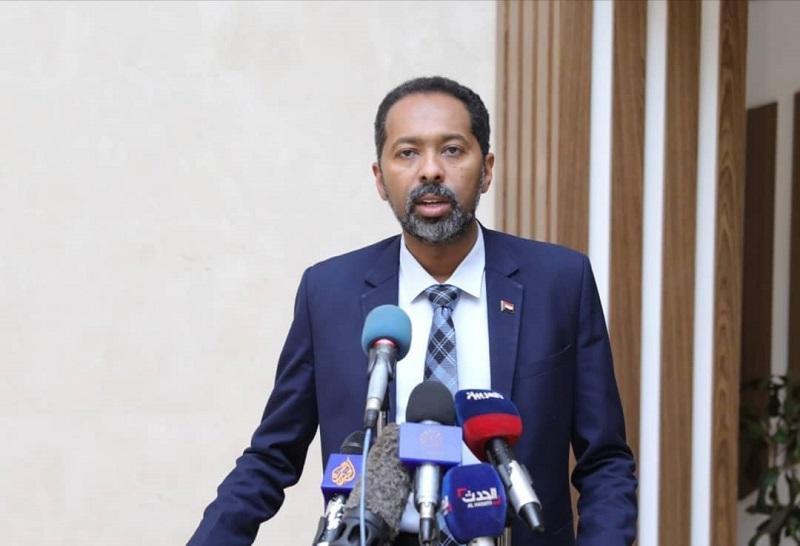
Ezz Eldin Elsafi, head of the government’s National Authority for Humanitarian Access, called on United Nations agencies and international organisations to intensify humanitarian operations in areas facing severe shortages of food, water and livestock feed.
Speaking outside the UN Office for the Coordination of Humanitarian Affairs in El-Fasher, Elsafi warned that poor rainfall and repeated periods of drought were placing additional pressure on communities already devastated by Sudan’s prolonged war.
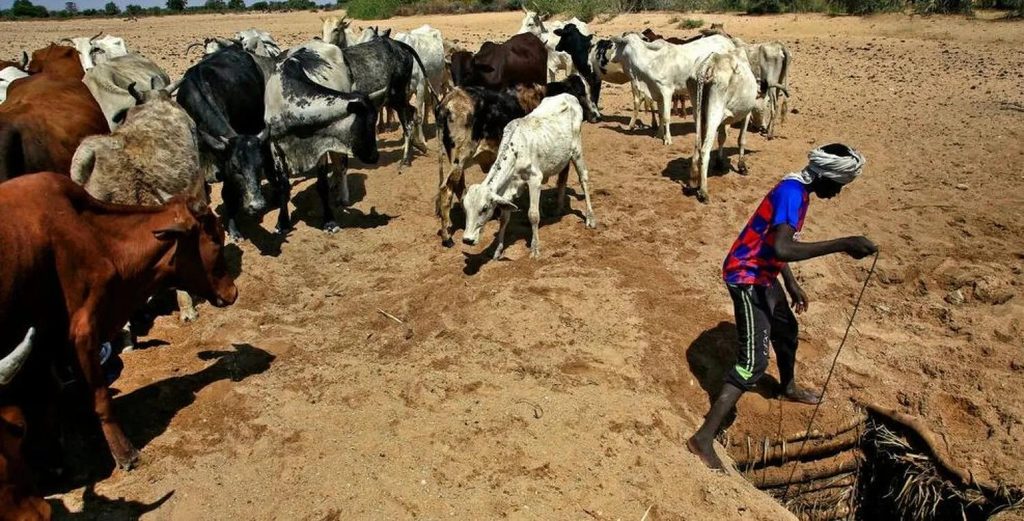
He said agricultural production and pastoral livelihoods faced growing risks, particularly in areas where livestock remains a principal source of income and food.
The government has prepared an emergency response plan focusing on three priorities: securing water supplies, establishing strategic food reserves sufficient for six months and protecting livestock from the effects of drought.
Elsafi urged international humanitarian agencies to expand their presence in Darfur and Kordofan and restore operations in areas where assistance remains limited.
He also called for the reopening of UN offices in El-Fasher and other affected locations to improve humanitarian coordination and accelerate the delivery of emergency supplies.
The official welcomed international initiatives aimed at expanding humanitarian access and called for greater cooperation with the Government of Peace and Unity to address worsening conditions.
The latest warning comes as communities across western and central Sudan continue to struggle with disrupted agricultural production, damaged infrastructure and the consequences of fighting that began in April 2023.
Elsafi said the combination of food shortages, declining water availability and threats to livestock could produce a wider humanitarian emergency unless preventive measures were implemented.
The government urged international partners to act before conditions deteriorate further, warning that delayed intervention could threaten both civilian livelihoods and the region’s agricultural economy.