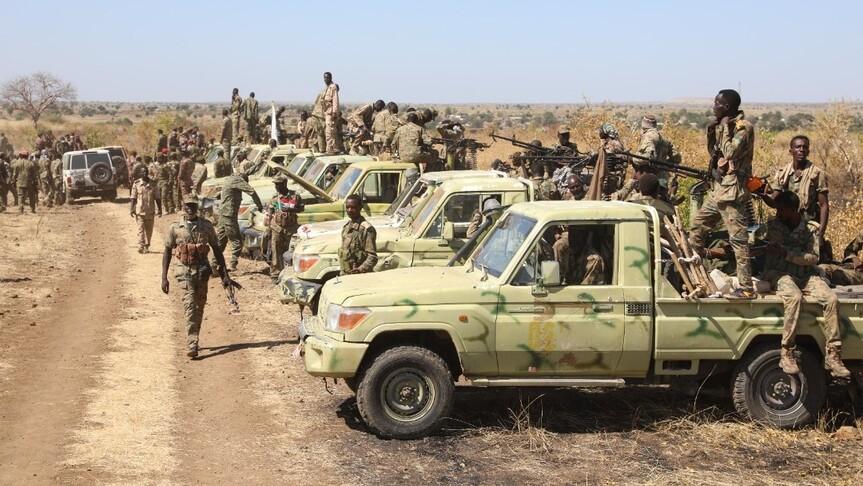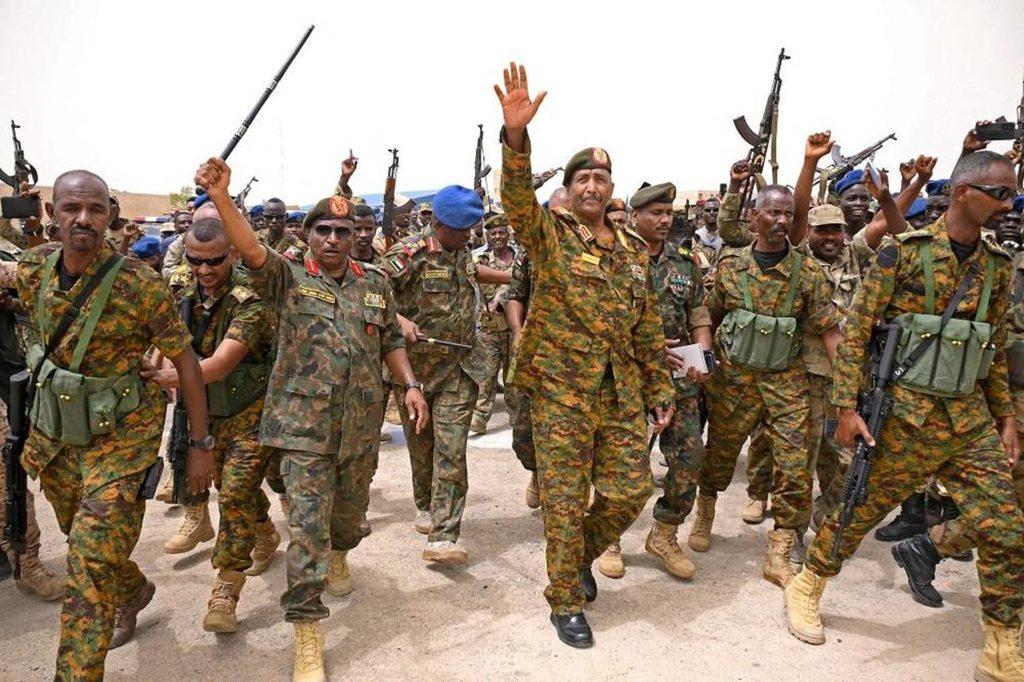
Deepening disagreements over military command, weapons supplies and battlefield deployments are threatening the alliance between Sudan’s military and the Joint Forces, raising concerns over a possible breakdown in cooperation against the Rapid Support Forces (RSF).
Military sources and analysts told Al-Rakoba that tensions between the two sides have escalated throughout 2026, exposing divisions over operational control, political influence and the future of armed movements allied with General Abdel Fattah al-Burhan.
The Joint Forces, which include armed movements led by Minni Arko Minnawi, Jibril Ibrahim and Mustafa Tambour, initially maintained neutrality in Sudan’s war before joining the military campaign against the RSF.
However, disagreements that began over battlefield coordination in early 2025 have since developed into a broader struggle over authority and military resources.
An unnamed military source said the lack of direct coordination had undermined joint operations, with disputes increasingly affecting intelligence sharing, troop movements and logistical support.
Disputes over military command
At the centre of the crisis is the military leadership’s reported demand that all Joint Forces formations operate under a unified command structure controlled by Sudan’s military.
According to military sources, the proposed arrangement would give the military direct authority over operational decisions, weapons distribution and supplies.
Joint Forces commanders have reportedly resisted the proposal, fearing it would strip their movements of operational independence and reduce their political and military influence.
The disagreement has also affected the distribution of heavy weapons and ammunition, with commanders expressing concerns that their fighters could be deployed to major battlefronts without sufficient logistical support.
A Joint Forces officer, speaking anonymously, warned that advancing into Darfur and Kordofan without secure supply lines could expose their fighters to prolonged battles of attrition against the RSF.
Minnawi tensions expose deeper divisions
The dispute has become increasingly visible following controversial statements by Darfur Governor and Sudan Liberation Movement leader Minni Arko Minnawi.
Minnawi recently raised the possibility of returning to rebellion if political dialogue failed, triggering speculation about the future of his movement’s alliance with Sudan’s military.
He subsequently clarified that he was not announcing a new rebellion and criticised proposals to establish additional armed formations.
His remarks nevertheless highlighted growing disagreements over the treatment of armed movements and their position within the military alliance.
Political analyst Mohamed Idris said the partnership between the military and the Joint Forces was built primarily around confronting a common enemy rather than a shared political vision.
He argued that while the military seeks to consolidate central authority, Darfur’s armed movements remain determined to preserve the political and military gains secured under the Juba Peace Agreement.
Former RSF commanders fuel mistrust
Another source of tension involves the growing influence of former RSF commanders Al-Nur Quba and Ali Rizgallah, known as Al-Savanna, who defected to the military camp.
Their arrival was welcomed by Burhan’s leadership, which viewed the defections as an opportunity to weaken the RSF and strengthen its own military position.
However, according to analysts cited by Al-Rakoba, established Joint Forces commanders are increasingly concerned that the two men could be used to establish rival armed formations.
The concerns stem partly from the commanders’ historical links to armed groups that previously fought Darfur’s rebel movements.
Joint Forces leaders reportedly fear that providing these commanders with weapons and direct military backing could undermine their influence and alter the balance of power in Darfur.
Analysts warned that the emergence of competing armed formations could deepen divisions within the military coalition.
Deployment disputes weaken battlefield coordination
Disagreements have also emerged over the deployment of Joint Forces fighters in Khartoum, River Nile and Northern states.
Military sources said Sudan’s military leadership considers the presence of large numbers of allied fighters in areas away from the main battlefronts unnecessary and potentially destabilising.
The military reportedly wants these units redeployed to active fronts in Darfur and Kordofan.
Joint Forces commanders, however, remain concerned about advancing without adequate weapons, air support and secure supply routes.
According to military observers, the competing demands have slowed operations in western Sudan and contributed to declining coordination between the allied forces.
Alliance faces uncertain future
Retired military officer Mohamed Yahya Ali Saleh said disagreements over battlefield authority and operational independence had gradually developed into a deeper institutional crisis.
Security analyst Mohamed Nour Abdallah warned that Sudan’s history of fragile military alliances demonstrated how quickly partnerships built around temporary interests could collapse when battlefield conditions changed.
He said a breakdown in relations between Burhan’s leadership and Darfur’s armed movements could extend beyond military operations, potentially reshaping political and tribal alliances across the region.
The involvement of influential figures such as Musa Hilal, Minnawi, Quba and Al-Savanna has further complicated the situation, with competing military and political interests increasingly shaping the alliance.
Analysts warned that without an agreement addressing military command, weapons distribution and political representation, the existing tensions could develop into an open split.