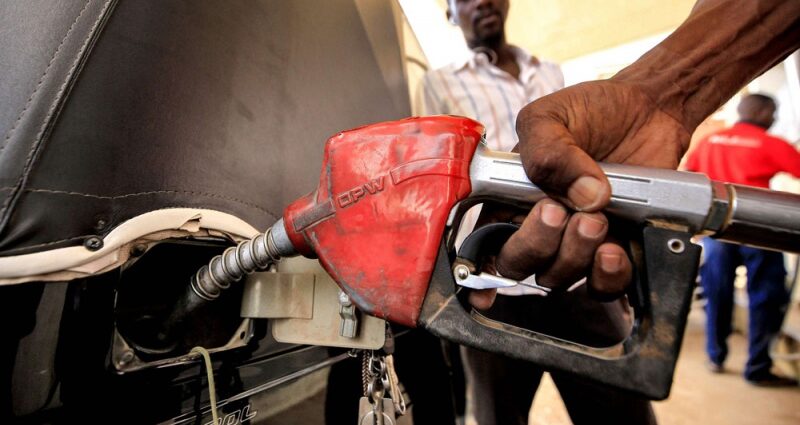
Fuel shortages in Sudan’s capital have intensified as residents accuse members of military-affiliated forces of disrupting distribution at petrol stations, leaving civilian motorists and truck drivers waiting for weeks without supplies.
Residents told Darfur24 that fuel deliveries earlier this week had initially raised hopes of easing the crisis. However, several stations increased petrol prices from 38,500 Sudanese pounds per gallon to 48,800 pounds, while long queues continued across Khartoum state.
Truck drivers said vehicles belonging to armed groups supporting Sudan’s military were receiving preferential treatment, despite restrictions introduced to prioritise public transport.
One truck owner said he had waited for three weeks to refuel, only to discover that trucks were being excluded from the latest fuel allocations.
He alleged that vehicles belonging to military-allied forces arrived carrying empty fuel barrels, which were filled alongside their vehicle tanks before civilian drivers could receive their allocations.
Other motorists reported similar incidents involving civilian vehicles carrying uniformed personnel who bypassed queues to obtain fuel.
According to the drivers, the practice has disrupted distribution and exhausted supplies before vehicles waiting in designated queues could be served.
Some truck operators said they had remained stranded for more than three weeks and were still waiting for fresh deliveries.
Operators of three-wheeled taxis, commonly known as tuk-tuks, also expressed frustration, with some abandoning queues after repeated unsuccessful attempts to obtain fuel.
Khartoum state’s security committee had previously instructed petrol stations to allocate separate facilities for public transport vehicles and security forces. However, motorists said those arrangements were not being consistently enforced.
The allegations come as fuel shortages continue to affect several Sudanese states, disrupting public transportation, commercial trucking and daily economic activity.
In Blue Nile state, the General Administration of Transport and Petroleum announced another increase in petrol prices, setting the cost at 52,230 Sudanese pounds per gallon.
The continuing shortages have placed additional pressure on transport operators and residents already struggling with rising costs and disruptions caused by Sudan’s ongoing conflict.