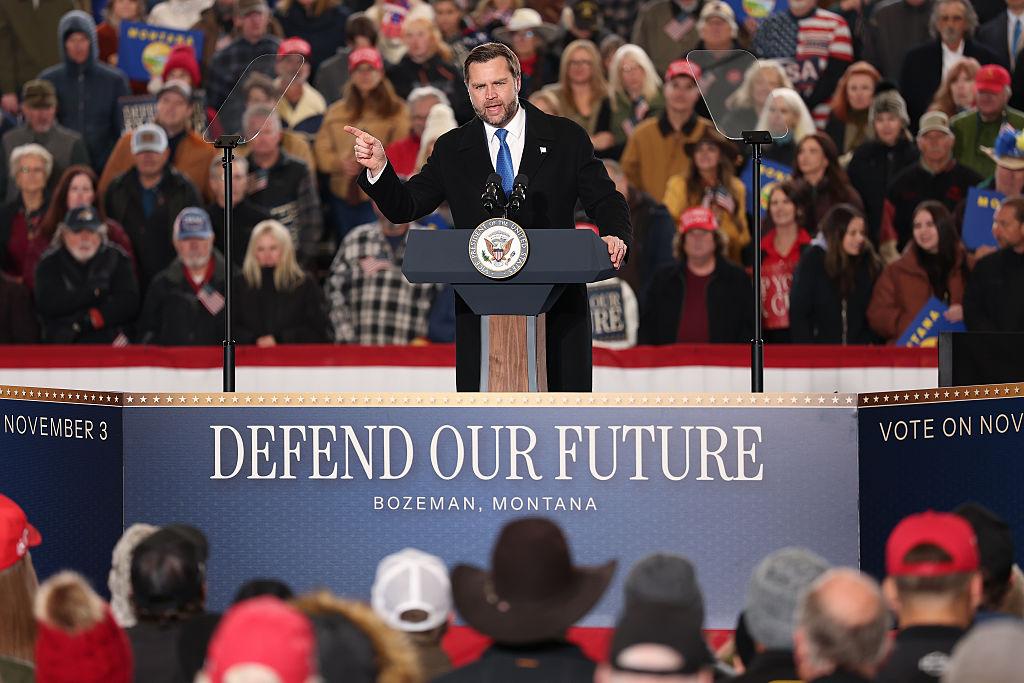
US Vice President JD Vance has publicly questioned President Donald Trump’s war against Iran, blaming the conflict for Republicans’ crushing defeat in the midterm elections and raising fresh doubts over Washington’s military strategy.
Vance’s unusually direct criticism came on Wednesday after Democrats secured control of both chambers of Congress, delivering sweeping victories in several traditionally Republican strongholds.
His remarks could complicate Trump’s consideration of renewed military operations against Iran, which senior US officials told Reuters remain under discussion. reuters.com+1
“The reason we lost is the war,” Vance wrote on X, arguing that the political consequences of the conflict had become impossible to ignore.
The vice president questioned whether the military campaign justified the Republican Party’s electoral losses, particularly its defeat in the Senate.
Vance, widely regarded as a potential presidential contender in 2028, also defended an earlier recommendation to end the conflict, describing it as sound advice.
His intervention exposed growing tensions within the administration over the political and economic consequences of the war, although he sought to minimise suggestions of a disagreement with Trump.
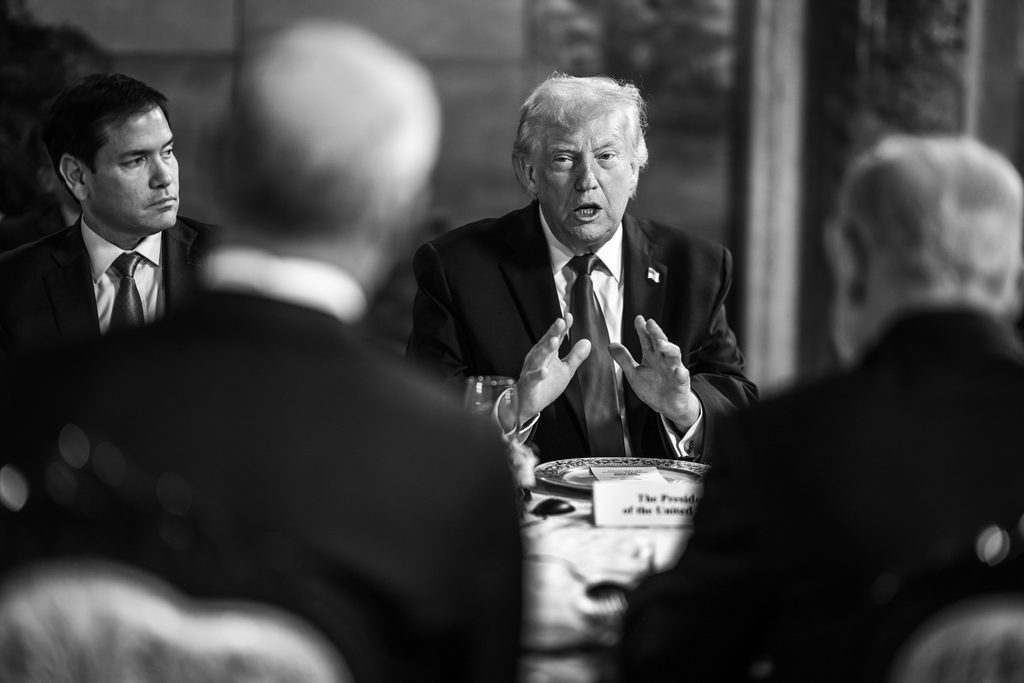
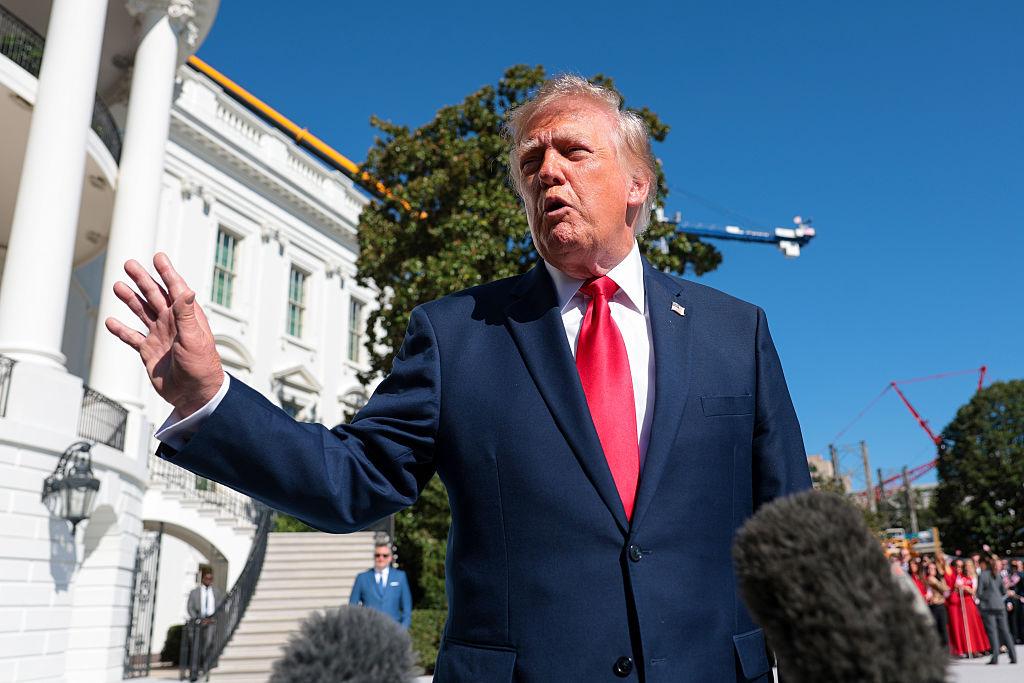
Asked about the comments, Trump said he considered them acceptable and understood his vice president’s position.
However, the president continued to defend the military campaign, insisting that American operations had prevented Iran from obtaining nuclear weapons.
Trump acknowledged that the conflict had contributed to Republican losses but maintained that other factors had also influenced the election.
He told the Wall Street Journal that he believed his decision to attack Iran had been justified and that he would make the same choice again.
Washington considers renewed military operations
The United States and Israel launched their military campaign against Iran in February, initially anticipating a relatively short confrontation that could severely weaken Tehran’s military capabilities and potentially bring down its government.
Although the strikes inflicted extensive damage on Iranian military installations and underground weapons facilities, the conflict subsequently entered a prolonged stalemate.
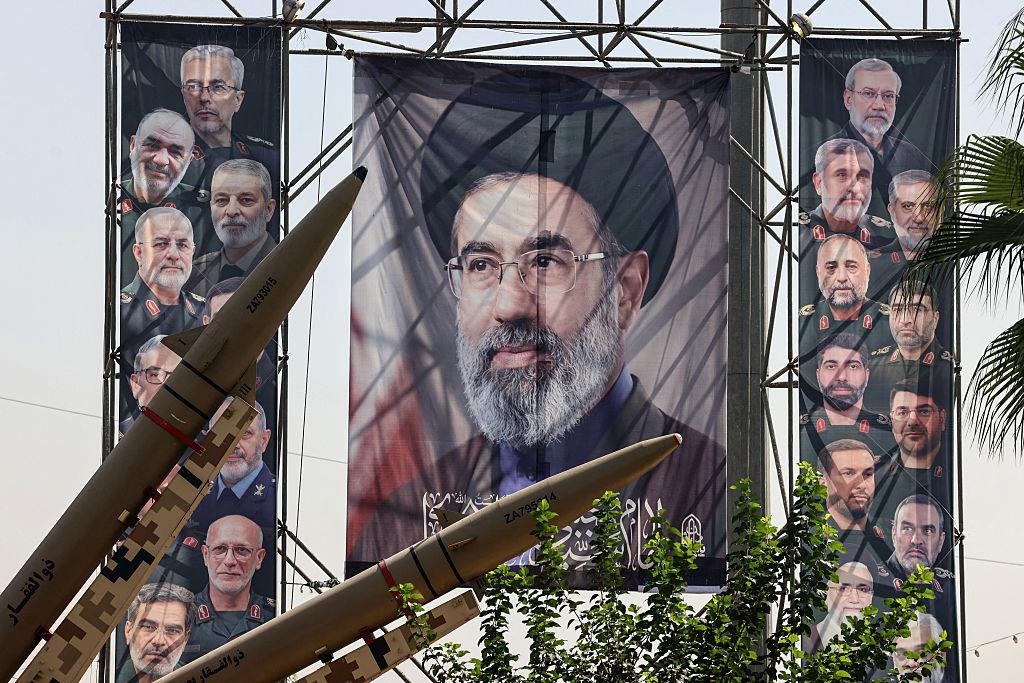
A ceasefire reached in April failed to produce a lasting peace agreement, while Iran gradually recovered portions of its military arsenal and continued threatening shipping through the Strait of Hormuz.
The confrontation has raised concerns about global energy supplies and contributed to rising living costs in the United States.
According to sources familiar with the discussions, Admiral Brad Cooper, commander of US Central Command, briefed Trump last week on potential options for resuming major combat operations.
However, recent American intelligence assessments reportedly concluded that additional strikes would be unlikely to fundamentally change Iran’s negotiating position or bring about regime change.
Despite those assessments, officials familiar with the deliberations believe renewed military action remains a serious possibility.
One source suggested that Trump could adopt a more aggressive approach now that the midterm elections have concluded, removing an immediate political constraint on military operations.
Another indicated that preparations for further strikes had been delayed until after the vote.
No final decision on renewed operations has been publicly announced.
Vance’s remarks raise questions about 2028
The vice president’s criticism has also generated speculation about his political ambitions ahead of the 2028 presidential election.
A source familiar with the administration suggested that Vance’s comments could represent an early effort to establish an independent foreign policy position before a potential presidential campaign.
Some White House officials were reportedly informed of the statement before its publication, although others were caught off guard.
The remarks could also increase scrutiny of Defence Secretary Pete Hegseth, a prominent supporter of the military campaign who has faced criticism from members of Congress.
Secretary of State Marco Rubio, another possible Republican presidential contender in 2028, has remained publicly silent on the election results.
Meanwhile, diplomatic intermediaries have intensified efforts to secure an agreement between Washington and Tehran amid concerns that fighting could escalate following the elections.
Vance has taken an increasingly active role in negotiations with Iranian officials in recent weeks.
However, Tehran has shown little willingness to accept Washington’s principal demands, including a complete halt to uranium enrichment.
With Democrats preparing to take control of Congress and divisions emerging within the Republican leadership, the administration faces mounting pressure to determine whether to pursue a negotiated settlement or resume large-scale military operations.
Vance’s intervention has added a new political dimension to that decision, highlighting the growing domestic cost of a conflict that has already reshaped the balance of power in Washington.