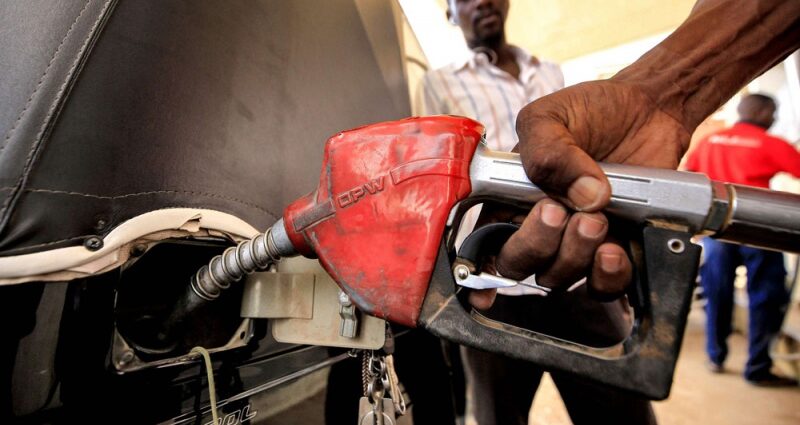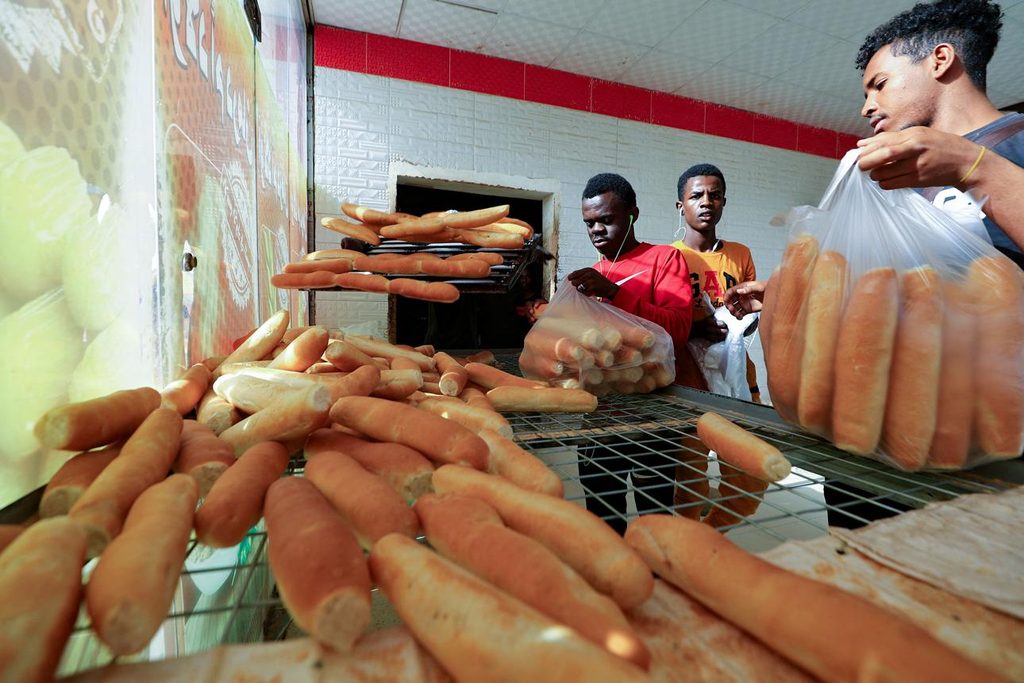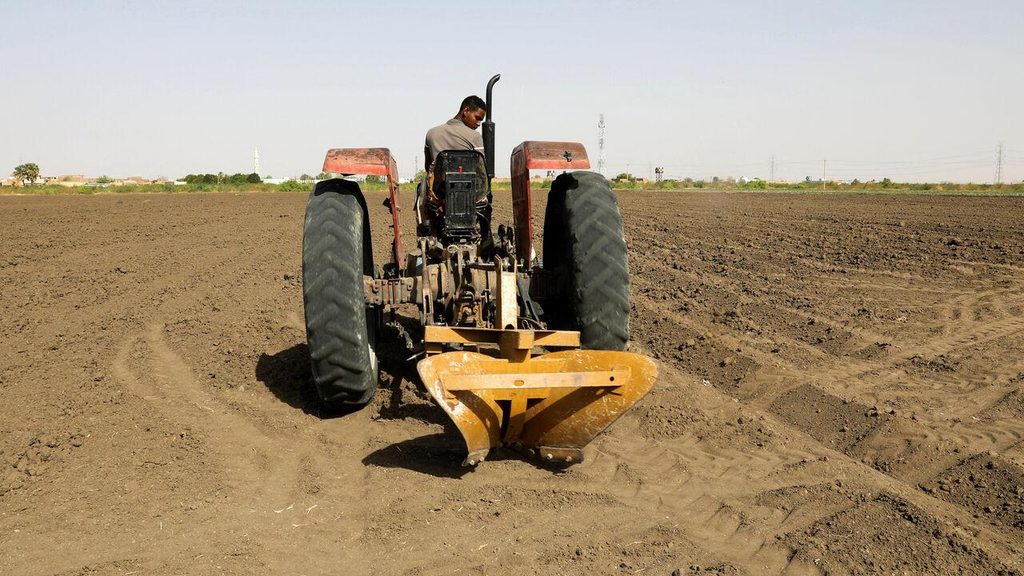
Severe fuel shortages across Sudan are threatening agricultural production and disrupting humanitarian assistance, with farmers struggling to operate machinery and relief organisations facing growing difficulties transporting essential supplies.
The crisis is affecting territories controlled by both Sudan’s military and the Rapid Support Forces (RSF), highlighting the economic consequences of a prolonged conflict that has damaged infrastructure, disrupted supply chains and weakened the country’s agricultural sector.
Farmers in Gedaref, Al Jazirah and Sennar states told Sudan Tribune that shortages of petrol and diesel were preventing them from operating irrigation pumps, tractors and other essential agricultural equipment.
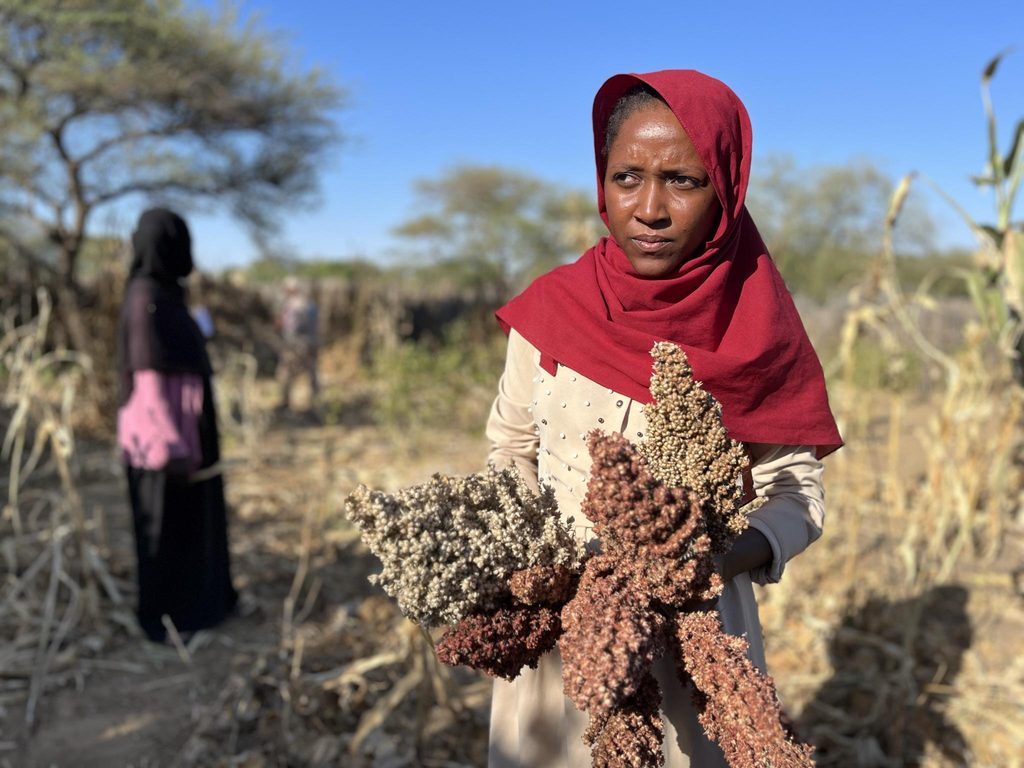
They warned that the disruption was reducing cultivated areas and threatening the production of staple crops, including sorghum and wheat, at a time when poor rainfall has already undermined agricultural output.
The worsening conditions have raised concerns about further food shortages and displacement in rural communities where farming remains a principal source of income.
Fuel shortages disrupt humanitarian deliveries
The effects extend beyond agriculture, with humanitarian organisations reporting increasingly serious difficulties delivering food, medicine and other essential supplies.
UN Resident and Humanitarian Coordinator Denise Brown warned earlier this week that hundreds of aid trucks had been stranded because of insufficient fuel.
The disruption has affected the movement of humanitarian supplies, including nutritional assistance intended for children suffering from severe acute malnutrition.
Relief workers cited by Sudan Tribune said rising transportation costs were forcing humanitarian organisations to spend significantly more on fuel, reducing the resources available for delivering assistance.
Some shipments reportedly require substantially higher transport budgets because fuel must be purchased through informal markets at inflated prices.
The shortages come amid continued attacks on infrastructure, including electricity installations and petroleum facilities, which have further complicated the movement of goods and the provision of essential services.
Petrol prices rise across rival-controlled territories
Residents in Khartoum, Nyala and Port Sudan reported persistent shortages and rising fuel prices, although conditions vary between regions.
According to figures collected by Sudan Tribune, a gallon of petrol costs approximately 48,800 Sudanese pounds in Khartoum, while diesel sells for around 45,000 pounds.
In Nyala, the administrative centre of the Sudan Founding Alliance (TASIS) government, petrol has reached approximately 50,000 pounds per gallon, with diesel also selling for around 45,000 pounds.
Port Sudan, where the military-aligned authorities are based, has recorded petrol prices of about 46,000 pounds and diesel prices of approximately 42,000 pounds.
The reported prices illustrate the widespread nature of the shortages, although differences in supply routes, distribution arrangements and local market conditions continue to influence costs.
Recent airstrikes and damage to fuel-related infrastructure have placed additional pressure on distribution networks in several states.
Farmers warn of worsening food insecurity
The agricultural crisis is particularly concerning in Sudan’s principal food-producing regions, where fuel availability directly affects irrigation, planting and harvesting.
Farmers interviewed by Sudan Tribune said shortages were making it increasingly difficult to maintain production, particularly as declining rainfall and rising operating costs put additional pressure on agricultural communities.
The UN Food and Agriculture Organization has separately warned that Sudan’s 2026 harvest faces serious risks from drought, insecurity and shortages of agricultural inputs.
Rainfall deficits have affected major producing areas, including Gedaref and Sennar, raising concerns about sorghum production and food availability.
Some rural families have reportedly abandoned their communities in search of assistance as declining agricultural activity and rising food prices undermine their livelihoods.
Despite these warnings, Finance Minister Gibril Ibrahim has rejected assessments suggesting Sudan is approaching famine, arguing that such claims do not reflect conditions on the ground.
He said the military-aligned authorities were mobilising resources to support agricultural production and strengthen food security.
However, international food-security assessments continue to warn of famine risks in parts of Sudan, particularly in Darfur and Kordofan, where conflict, displacement and drought have combined to undermine access to food.
Economic collapse compounds fuel crisis
Sudan’s worsening fuel shortages are unfolding against the backdrop of a prolonged economic contraction.
The United Nations Development Programme reported in April that the country’s economy had shrunk by more than 40 percent since the conflict began in April 2023.
Approximately one-third of Sudanese businesses have closed, while many surviving enterprises face severe financial and operational difficulties.
The World Bank has also documented a sharp decline in government revenue, weakening the capacity of public institutions to maintain essential services and respond to economic disruptions.
In Atbara, merchant Mohamed Ibrahim al-Hamdabi told Sudan Tribune that declining purchasing power had sharply reduced retail activity, leaving businesses struggling to maintain operations.
He said the erosion of household incomes and continued depreciation of the Sudanese pound had pushed formerly middle-income families into economic hardship.
The combination of fuel shortages, damaged infrastructure, declining agricultural production and weakened purchasing power is placing further pressure on communities already affected by more than three years of conflict.
With farmers struggling to secure diesel and humanitarian organisations facing increasingly expensive delivery operations, the fuel crisis threatens to deepen Sudan’s existing food emergency and further undermine efforts to restore economic activity.