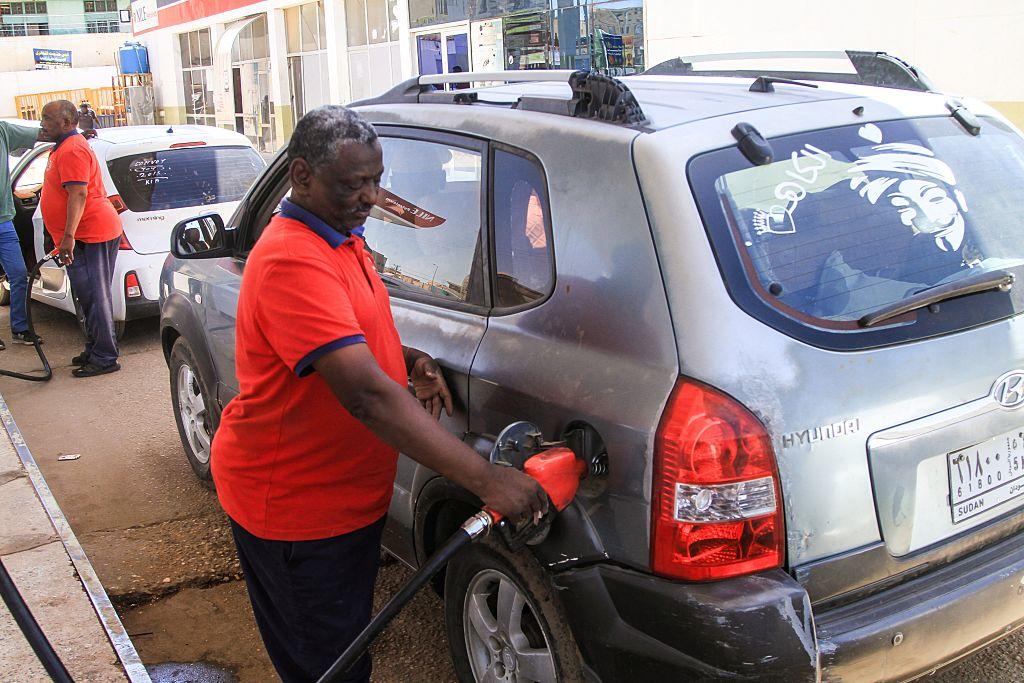
Fuel shortages in Sudan’s capital, Khartoum, began to ease on Saturday as fresh gasoline and diesel supplies entered the market, although residents continued to report long queues for diesel amid weeks of disruption.
The improvement follows a prolonged shortage that has strained public transportation, pushed up fares and increased the cost of essential goods across the capital.
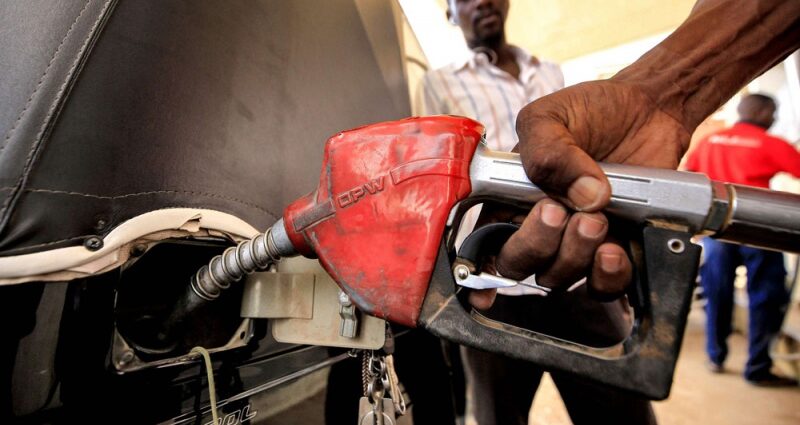
Residents reported a noticeable reduction in waiting times at gasoline stations, while diesel remained in relatively short supply.
Ahmed Abdel Rahman, a Khartoum resident, said he waited approximately 40 minutes to purchase gasoline on Saturday, a significant improvement compared with previous days.
However, he said diesel shortages continued to affect transportation services and freight operations, contributing to higher costs for commuters and businesses.
Fuel prices have also surged on the parallel market, reflecting the pressure on supplies.
A gallon of gasoline recently reached 70,000 Sudanese pounds on the black market, compared with 50,000 pounds at official filling stations.
Diesel prices climbed to 80,000 pounds per gallon on the parallel market, significantly above the official price of 49,000 pounds.
Nabta Petroleum Company said Saturday that queues had disappeared at its gasoline pumps, describing the development as evidence of improving supply conditions.
The company said efforts were continuing to secure additional diesel shipments, expressing optimism that shortages would ease in the coming days.
Meanwhile, Ali Abdel Rahman, undersecretary at Sudan’s Ministry of Energy and Petroleum, said large quantities of gasoline and diesel were being unloaded from vessels at Port Sudan.
He said the shipments were being distributed under a technical supply plan designed to meet demand across economic sectors and essential public services.
According to Abdel Rahman, the ministry has increased fuel allocations to several Sudanese states to stabilise markets and restore transportation services.
Authorities have also intensified deliveries to distribution centres and filling stations in Khartoum in an effort to address supply bottlenecks and meet growing demand.
Despite the improvement in gasoline availability, continued diesel shortages remain a concern for the capital’s transportation and commercial sectors, which depend heavily on the fuel for daily operations.