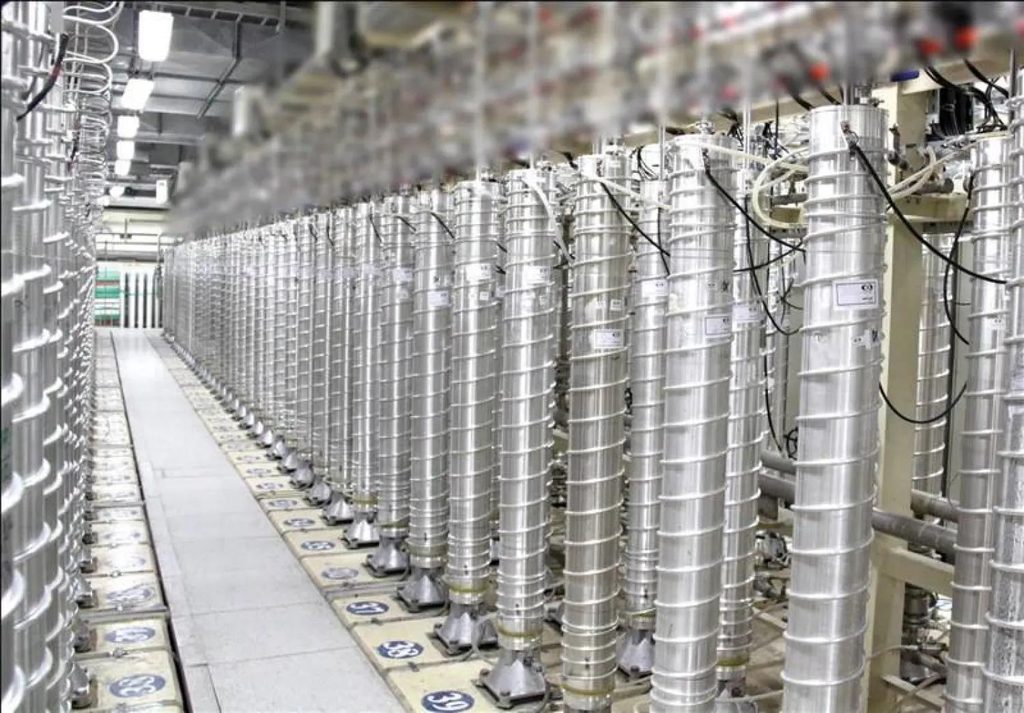
The United States has offered rewards of up to $20 million and possible relocation to individuals providing information about Iran’s nuclear programme, in a move aimed at gaining access to sensitive intelligence on Tehran’s nuclear facilities, scientists and military-linked networks.
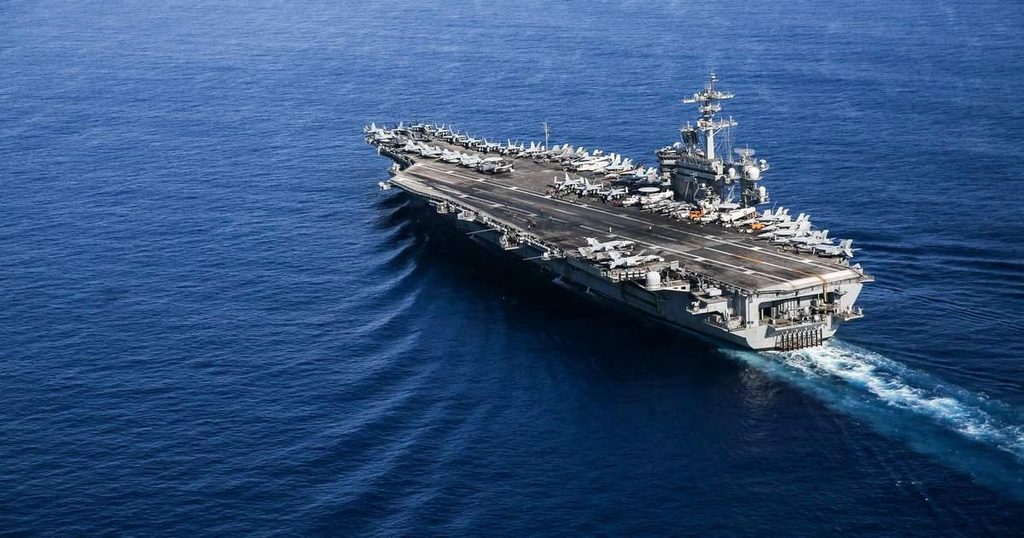
The initiative, announced by US Central Command (CENTCOM) in coordination with the State Department’s Rewards for Justice programme, comes amid escalating tensions between Washington and Tehran and renewed threats of American military strikes against Iranian nuclear installations.
The offer covers information about nuclear facilities, equipment, personnel and the movement of nuclear-related materials, potentially opening new channels for intelligence gathering within Iran’s heavily protected nuclear infrastructure.
According to a source familiar with US intelligence assessments who spoke to Erem News, the decision followed high-level evaluations identifying gaps in Washington’s ability to monitor Iranian nuclear research and development, particularly at fortified underground facilities.
The source said US intelligence agencies were seeking more than isolated documents or technical information, with the broader objective of establishing a comprehensive picture of Iran’s nuclear capabilities and activities that remain difficult to assess through satellite imagery and remote surveillance.
Focus on uranium stockpiles and underground facilities
A central concern for Washington is the status of Iran’s highly enriched uranium stockpile, particularly material enriched to 60% purity, which is technically close to the 90% level generally associated with nuclear weapons.
US intelligence efforts are also expected to focus on advanced centrifuge development, procurement networks supplying sensitive components and research activities that could have potential military applications.
The source said information from individuals working within Iran’s nuclear establishment could provide American decision-makers with a clearer assessment of Tehran’s capabilities and inform future diplomatic or military decisions.
Iran’s nuclear infrastructure includes underground installations designed to withstand conventional military attacks, making it difficult for outside observers to determine the extent of activities conducted inside them.
The International Atomic Energy Agency (IAEA) has previously warned that restrictions on inspections and monitoring have undermined its ability to verify the status of Iran’s nuclear activities and enriched uranium reserves.
Scientists and Revolutionary Guard networks in focus
According to the Erem News source, the US intelligence initiative is expected to focus on individuals connected to multiple levels of Iran’s nuclear establishment.
These reportedly include scientists, enrichment facility operators, senior engineers within the Atomic Energy Organization of Iran and officials linked to the Islamic Revolutionary Guard Corps (IRGC).
The source also identified personnel associated with the Khatam al-Anbiya headquarters and procurement networks responsible for securing equipment and components used in sensitive military and nuclear-related activities.
However, the publicly announced American reward programme does not specifically identify those organisations or individuals as targets.
American political researcher Jacob Steinberg told Erem News that the reward announcement could serve a dual purpose: gathering intelligence while generating uncertainty within Iran’s nuclear and security institutions.
Steinberg said the possibility of personnel cooperating with American intelligence could prompt Iranian authorities to tighten internal surveillance and security procedures, potentially disrupting technical operations.
He added that reliable intelligence from inside Iran’s nuclear infrastructure could help Washington identify specific facilities of concern or strengthen its negotiating position should diplomatic talks resume.
The initiative nevertheless carries risks, including the possibility of receiving deliberately misleading information. Intelligence obtained from human sources would require verification against satellite imagery, technical records and other available evidence.
Military tensions heighten nuclear concerns
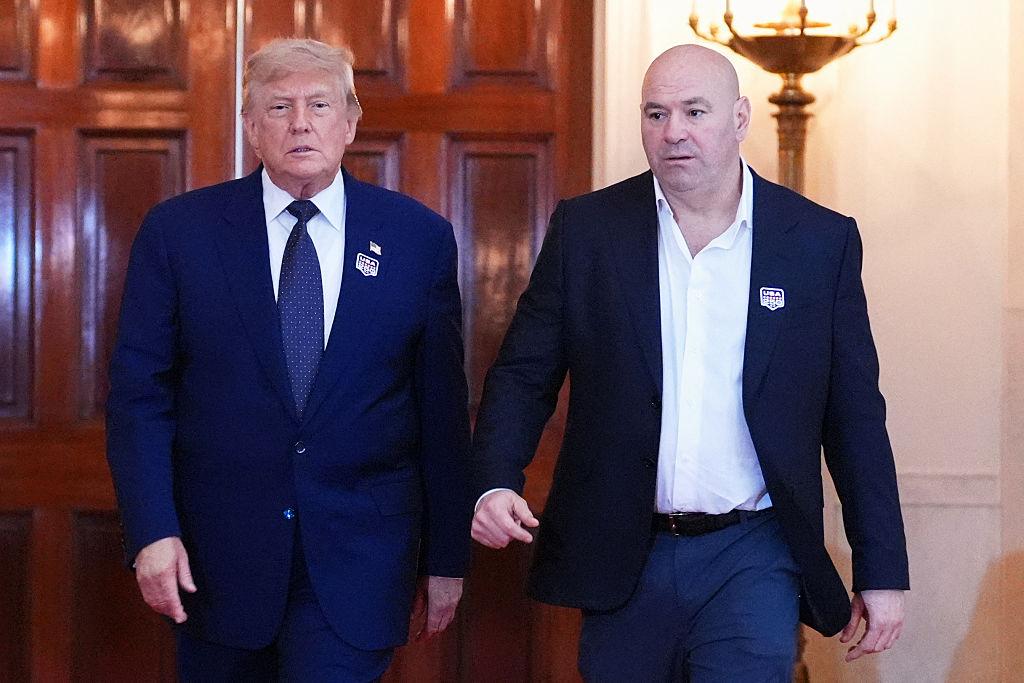
The announcement comes as President Donald Trump continues to warn that further military action remains an option if Tehran fails to address American demands concerning its nuclear programme.
Particular attention has focused on a heavily fortified underground complex near Natanz, commonly referred to as Pickaxe Mountain, whose precise activities remain the subject of international scrutiny.
Trump has previously suggested that US forces could strike the installation despite its extensive underground fortifications.
British media reports have also raised concerns about Iranian preparations for a possible radiological emergency.
The Times reported that iodine tablets were being distributed to residents near certain nuclear facilities, citing an unnamed Iranian health official.
However, Iran’s Health Ministry subsequently disputed the report, denying that any ministry official had provided the statements attributed to it. The extent of any recent distribution near nuclear facilities remains unverified.
The heightened tensions coincide with continuing diplomatic efforts aimed at resolving the confrontation between Washington and Tehran.