At least 65 sheep have died after reportedly drinking water contaminated with cyanide from gold mining operations in Sudan’s South Kordofan state, raising fresh concerns over the environmental and public health consequences of chemical-based mineral extraction.
The Anti-Cyanide Committee, a local environmental advocacy group, said Monday that a livestock owner lost 65 sheep near the Bashaer gold mine in the Talodi area this week.
The committee blamed the deaths on cyanide contamination linked to mining operations, warning that continued use of the highly toxic chemical threatens drinking water, agricultural land, grazing areas and surrounding communities.
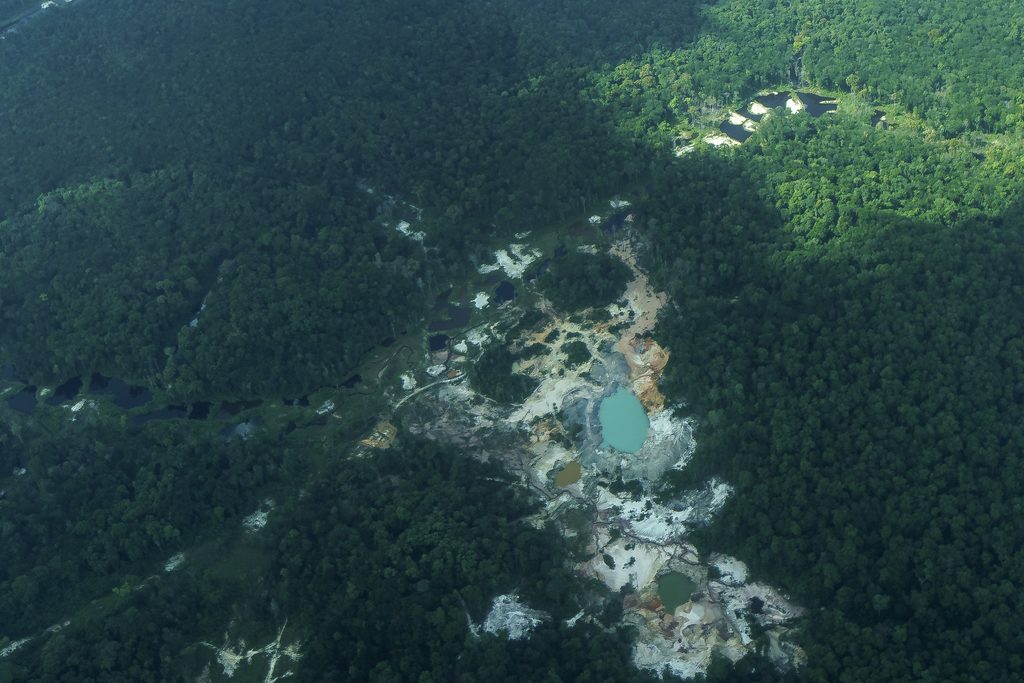
Gold processing companies operate across several mining sites in Talodi, where cyanide is used to recover precious metals from waste left behind by traditional miners.
The process involves mixing mining residue, locally known as karta, with cyanide solutions in large treatment basins. Environmental campaigners warn that poorly managed facilities can allow toxic chemicals to seep into nearby water sources and surrounding land.
Authorities accused of ignoring environmental dangers
The committee accused Sudanese authorities and the Sudanese Mineral Resources Company of failing to enforce adequate environmental safeguards, alleging that officials have repeatedly ignored warnings about chemical pollution.
It also accused authorities of concealing information about a suspected contamination incident in the Al-Taqula area last year, where an outbreak of severe diarrhoea reportedly claimed dozens of lives and killed livestock.
Although the committee linked the earlier incident to cyanide pollution, the precise cause of the outbreak has not been conclusively established.
The group criticised the absence of an independent investigation and demanded accountability for those responsible for regulating gold processing facilities.
It rejected suggestions that unlicensed mining operators alone were responsible for the environmental damage, arguing that cyanide distribution and mining activities also take place under official supervision.
Local traditional leaders were also accused of facilitating potentially harmful mining operations in exchange for financial benefits.
Growing opposition to cyanide mining
Environmental concerns surrounding gold extraction have repeatedly triggered protests in South Kordofan.
In October 2025, hundreds of residents demonstrated in Talodi against mining companies using cyanide, demanding an immediate halt to operations they believed were endangering communities and the environment.
The latest livestock deaths have renewed calls for stricter controls on chemical processing facilities and independent assessments of water quality in mining communities.
The Anti-Cyanide Committee further warned that competition over contaminated water sources and degraded grazing land could intensify tensions between local communities in a region already affected by Sudan’s ongoing conflict.
Traditional gold miners typically recover only part of the gold contained in excavated ore, leaving significant quantities in discarded material.
Licensed processing companies subsequently use cyanide-based techniques to extract the remaining gold from these tailings, an increasingly contentious practice because of the potential consequences for human health, livestock and the environment.