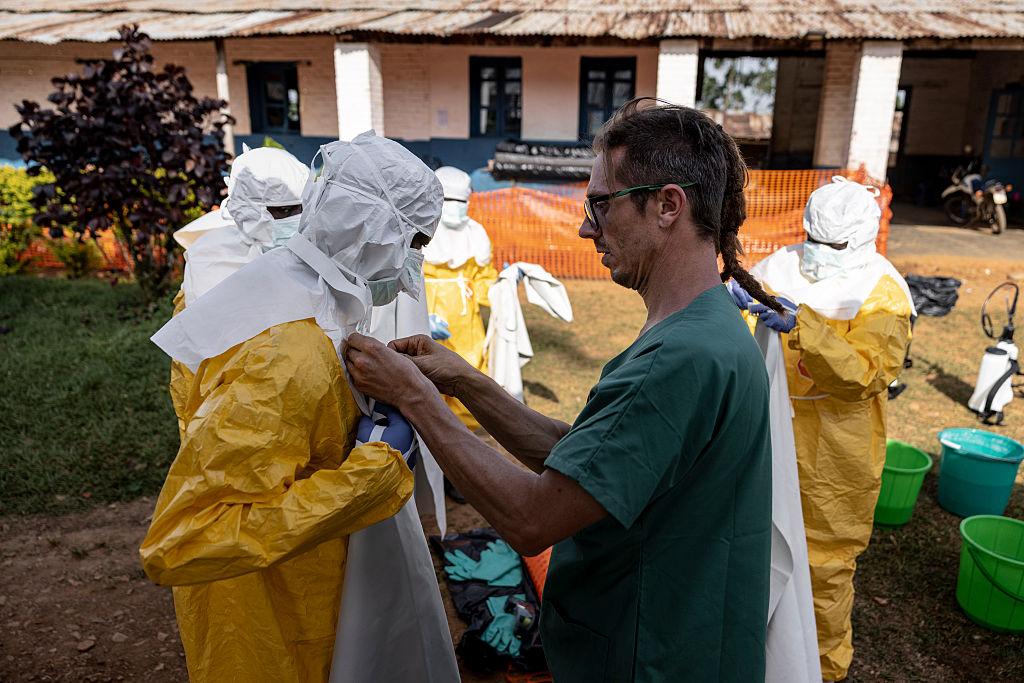
The Ebola outbreak in the Democratic Republic of Congo has surpassed 11,000 confirmed infections, with more than 5,300 deaths, according to the latest government figures, marking another grim milestone in one of the deadliest epidemics in the disease’s history.
Health authorities reported 11,042 confirmed cases and 5,387 deaths as of Tuesday, underscoring the continued spread of the virus despite months of containment efforts. reuters.com
The outbreak, first declared in mid-May, is caused by the rare Bundibugyo species of the Ebola virus, for which no approved vaccines or specific treatments are currently available.
It has become the second-largest and second-deadliest Ebola outbreak on record, surpassed only by the 2014–2016 West African epidemic, which infected more than 28,600 people and claimed over 11,000 lives.
Eight of DR Congo’s 26 provinces have been affected, with health officials reporting that many victims have died outside designated treatment facilities, complicating efforts to identify infections and prevent further transmission.
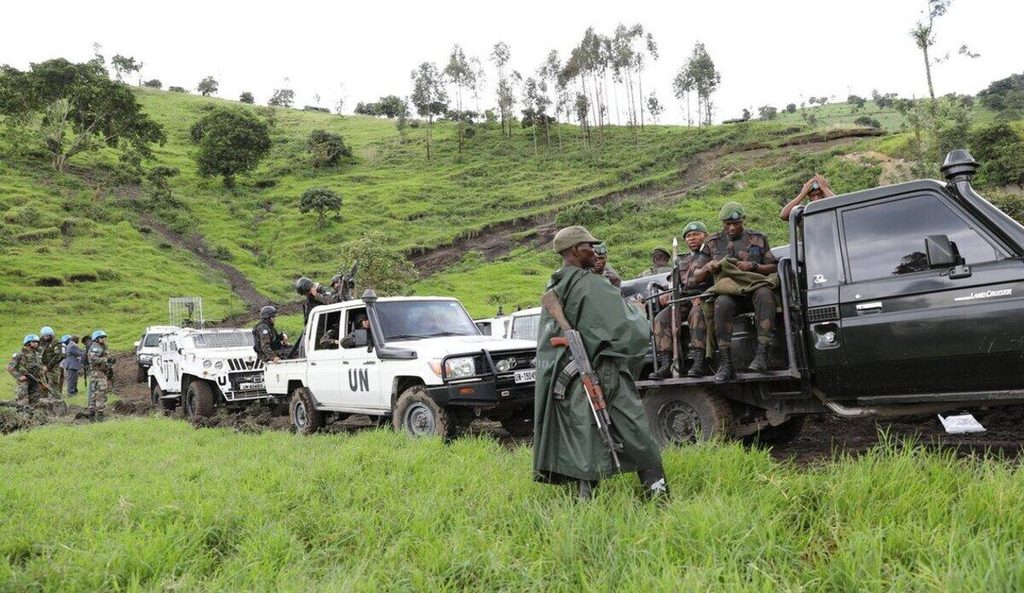
The rapid spread has been aggravated by delayed detection, ongoing armed conflict and an overstretched healthcare system, particularly in areas where insecurity has disrupted medical services and humanitarian operations.
The epidemic has also expanded beyond DR Congo, with cases reported across East, Central and West Africa, marking an unprecedented geographical spread for an Ebola outbreak on the continent. who.int
The World Health Organization has documented the spread of Bundibugyo Ebola to Kenya and Nigeria, raising concerns over the potential for further cross-border transmission. who.int
Ebola is a severe viral disease transmitted through direct contact with infected bodily fluids or contaminated materials. Symptoms can include fever, weakness, vomiting and diarrhoea, with severe cases potentially resulting in internal bleeding and organ failure.
The rising number of infections and deaths has intensified pressure on health authorities and international partners to strengthen surveillance, expand access to treatment facilities and accelerate efforts to contain the epidemic.
With transmission continuing across multiple provinces, the outbreak remains a major public health emergency for DR Congo and the wider African region.