Sudan’s SAF government has lifted a 20-month ban on Kenyan tea imports following diplomatic talks between the two countries, reversing restrictions imposed after Nairobi hosted political meetings involving the Rapid Support Forces (RSF) and their allies.
The decision was formalised through Ministerial Order No. 25 of 2026, signed by Minister of Industry and Trade Mahasin Ali Yaqoub on November 8.
The order allows Kenyan tea imports to resume immediately and directs relevant institutions under the SAF government to implement the decision.
Kenyan President William Ruto welcomed the announcement on Wednesday, saying it followed discussions with SAF government Prime Minister Kamil Idris during the Common Market for Eastern and Southern Africa (COMESA) summit in Harare, Zimbabwe, last month.
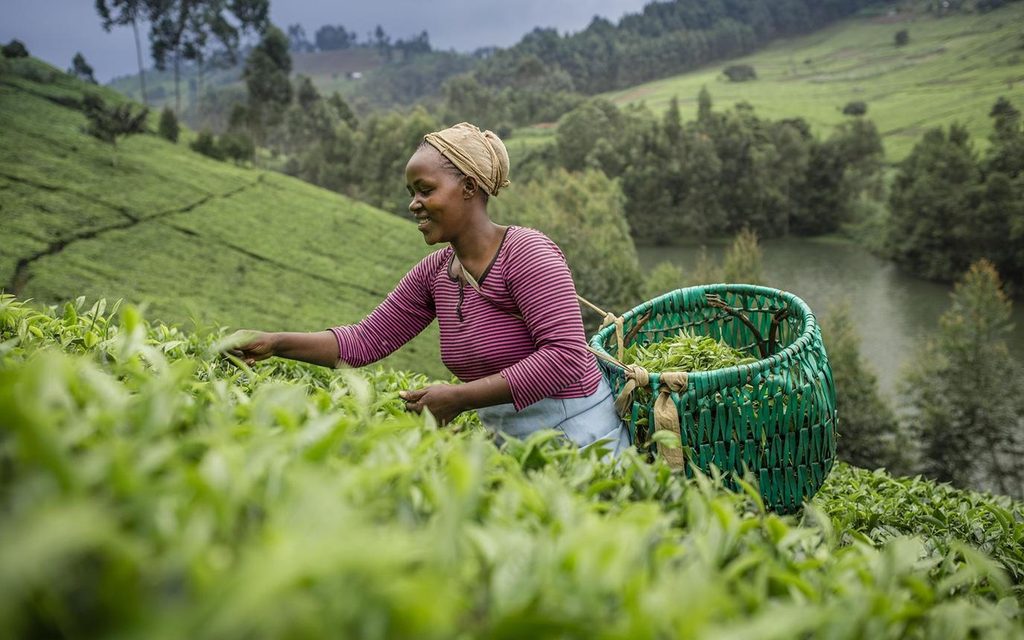
Ruto said the agreement would reopen an important market for Kenyan exporters and support the livelihoods of thousands of tea farmers.
He described the decision as a breakthrough in bilateral relations and expressed hope that Nairobi and Khartoum would expand economic cooperation.
Ban followed Sudan political meetings
The SAF government imposed restrictions on Kenyan imports in March 2025 after Nairobi hosted meetings involving the RSF and allied political groups seeking to establish an alternative government.
The meetings triggered a diplomatic confrontation, with the SAF government accusing Kenya of interfering in Sudan’s internal affairs.
Nairobi maintained that its involvement was intended to facilitate political dialogue and efforts to resolve Sudan’s conflict.
The SAF government subsequently suspended imports originating from Kenya, disrupting trade between the two countries and leaving significant quantities of Kenyan tea stranded in warehouses and along shipping routes.
According to the Tea Board of Kenya, tea export volumes to Sudan fell from 20 million kilograms to 8.7 million kilograms during the period of restrictions, while earnings declined from approximately 4.5 billion Kenyan shillings to 1.93 billion shillings.
Trade relations begin to recover
The latest decision follows months of diplomatic contacts aimed at restoring commercial ties.
The SAF government’s Sovereignty Council approved lifting the tea ban on November 2, followed by a Cabinet communication on November 5.
Sudanese tea importers welcomed the development, saying renewed access to Kenyan supplies could help restore trade flows and reduce procurement difficulties.
Kenya remains an important regional trading hub for tea produced both domestically and in neighbouring East African countries.
The reversal also signals an easing of tensions between Nairobi and the SAF government, although the order specifically addresses tea imports and does not establish that restrictions on all other Kenyan products have been removed.
Commercial shipments can now resume under the revised rules, with the pace of recovery dependent on new orders and arrangements between exporters and Sudanese buyers.