The World Food Programme has warned that fighting and funding shortages are deepening Sudan’s hunger crisis, after a lack of resources forced it to cut food assistance to about 900,000 vulnerable people in recent months.
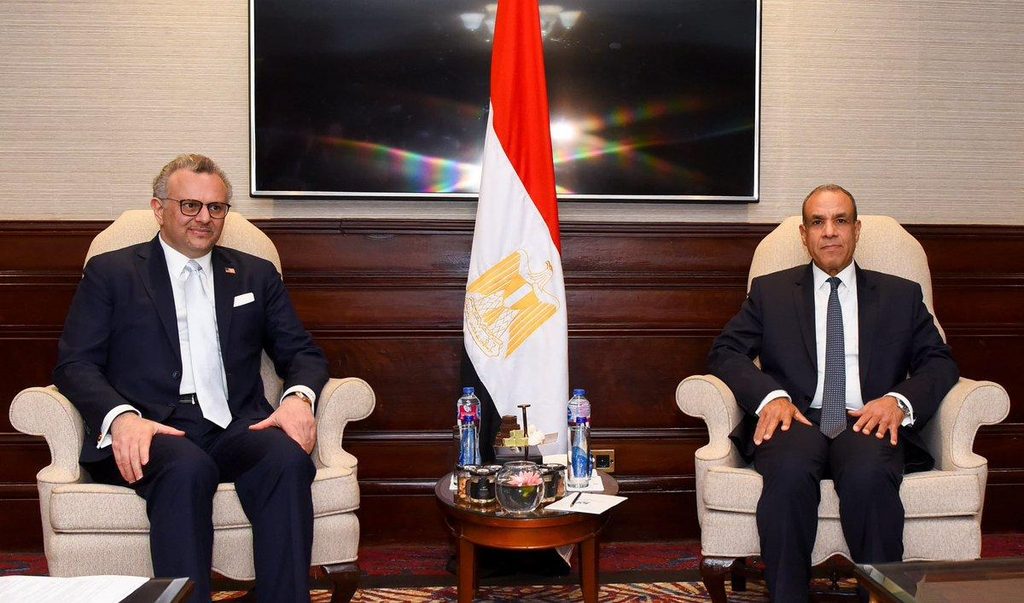
WFP Executive Director Luke Lindberg called for an urgent end to the war during his first field visit to Sudan since taking office, saying families already exhausted by conflict were being left without vital support.
In remarks carried in a WFP statement, Lindberg said people facing acute hunger were being driven towards desperate choices: rebellion, migration or starvation. For many, he said, the agency represented their only remaining hope.
He urged international, national and local leaders to take responsibility for ending the conflict, warning that food assistance alone could not keep pace with an unending war.
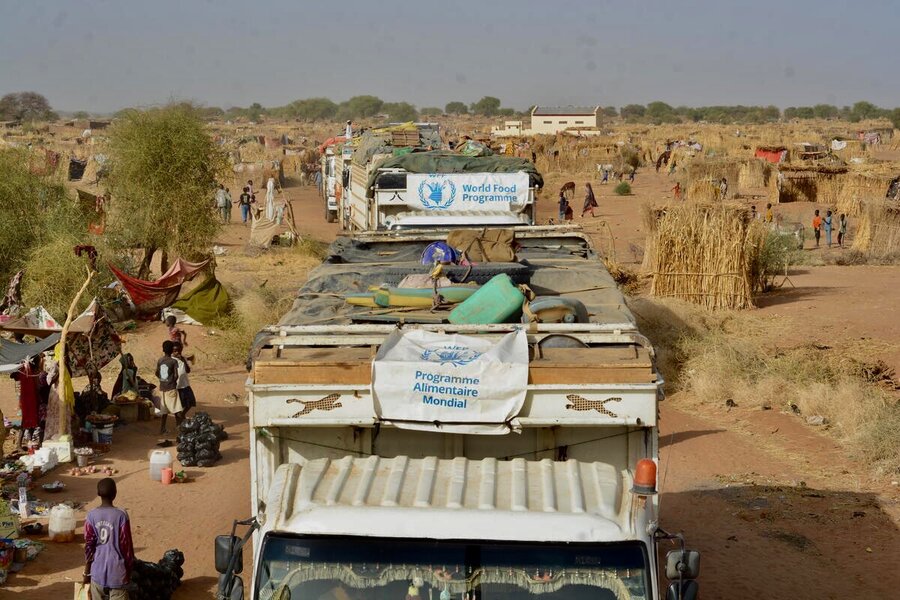
WFP said it reached more than four million people in August, including 880,000 in areas at risk of famine. Funding constraints forced it to begin reducing the number of people receiving assistance in September.
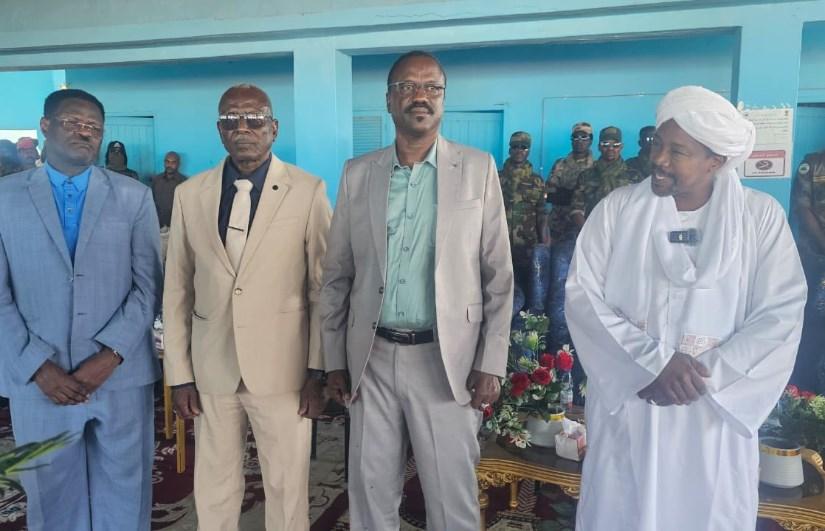
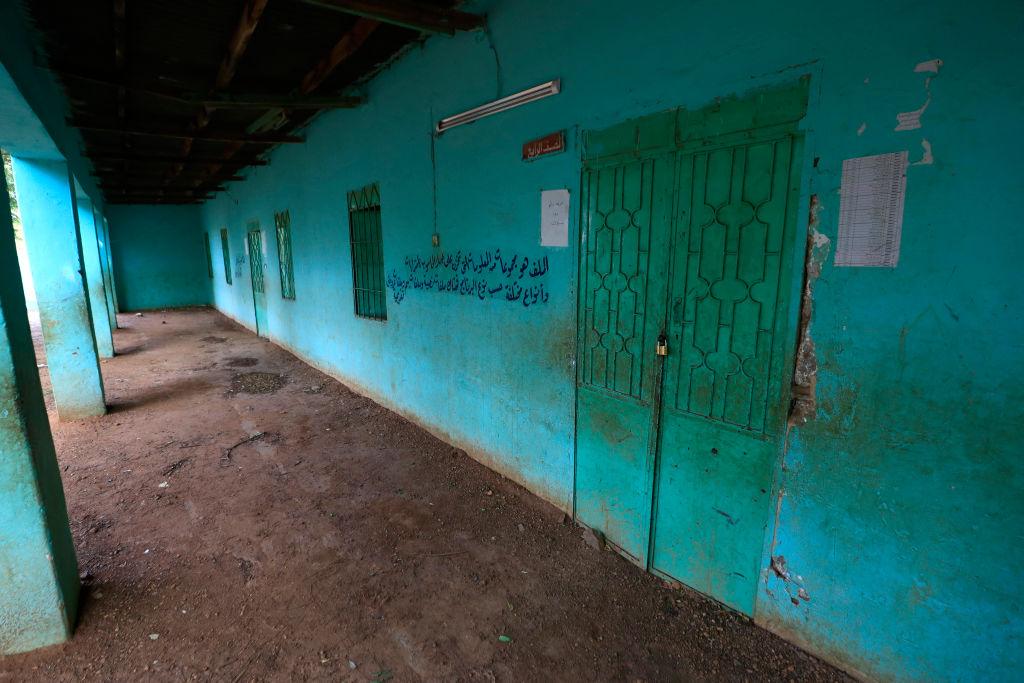
During his visit, Lindberg met families displaced by the fighting who were struggling to feed their children. He also visited emergency nutrition facilities in displacement camps and a WFP school meals project.
He held meetings with aid teams and officials at local, state and federal levels, pressing for an end to the conflict.
Lindberg said peace would allow food to reach more people, while continued fighting would deepen hunger. WFP was ready to expand its response if funding became available, he added.
The agency said it urgently needed $520 million to provide life-saving food and nutrition assistance to 5.4 million people through April 2027.
Sudan has faced one of the world’s largest humanitarian crises since war erupted between the Sudanese Armed Forces and the Rapid Support Forces in April 2023, driving mass displacement and worsening food insecurity.