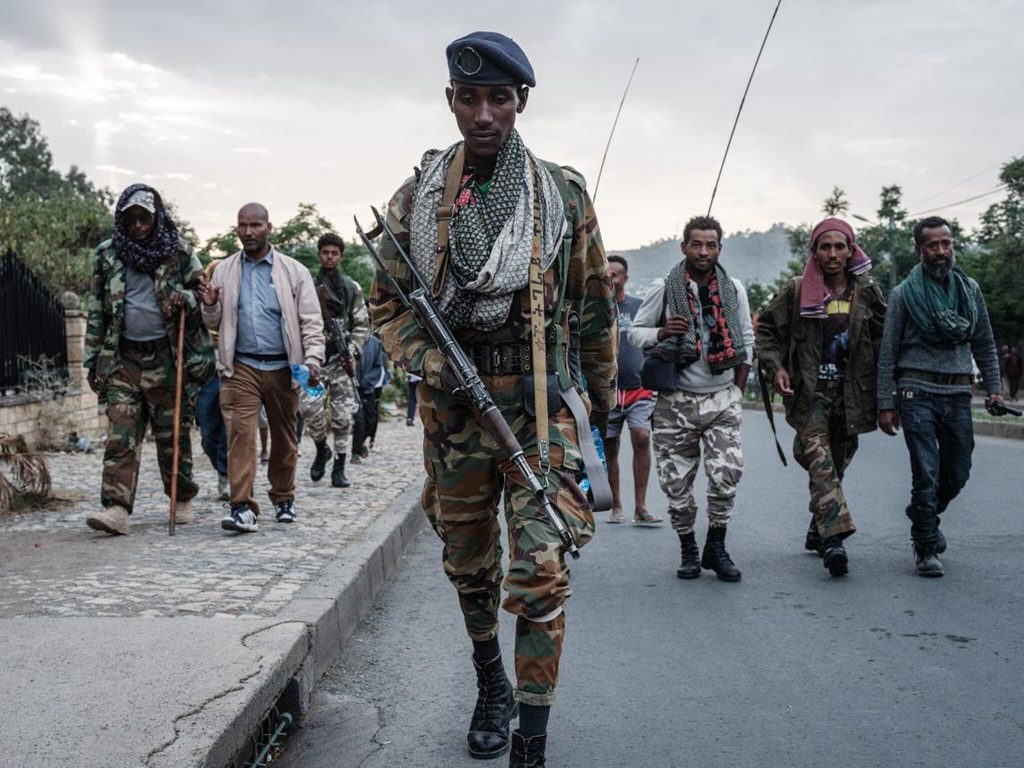
The reported arrest of senior Sudanese Armed Forces (SAF) commanders has triggered a dispute with Tigrayan fighters deployed in Sudan, disrupting military coordination and raising questions about the stability of the SAF government’s alliances, according to sources cited by Erem News on Saturday.
The officers were allegedly detained about a month ago following battlefield setbacks in Blue Nile and Kordofan, where they had been responsible for coordinating operations involving Tigrayan fighters.
A Sudanese military source close to the Sudan Founding Alliance (TASIS) told Erem News that the arrests severed established communication channels, prompting Tigrayan units to reject replacement commanders and refuse further combat assignments.
The report adds a new dimension to the previously reported withdrawal of Tigrayan fighters from Damazin, where SAF forces have come under increasing pressure from TASIS-aligned forces.
Arrests trigger command dispute
According to the military source, the detained SAF officers had maintained direct relationships with Tigrayan commanders, overseeing their deployments and coordinating operations across several fronts.
Their removal reportedly created a breakdown in trust, with Tigrayan fighters unwilling to accept newly appointed officers or continue participating in military operations.
The dispute intensified following fighting around Sali in Blue Nile state, where Tigrayan units allegedly withdrew after witnessing the retreat of SAF troops and allied Islamist formations.
Surviving fighters subsequently travelled to a military camp in Kassala, where they demanded outstanding payments and refused orders to return to the front, the sources said.
Erem News did not identify the detained commanders or establish how many Tigrayan fighters were involved in the dispute.
The allegations could not be independently verified.
Tigrayan commanders demand fighters’ return
The military source said senior leaders in Ethiopia’s Tigray region were increasingly opposed to the continued deployment of their fighters in Sudan.
Those leaders reportedly pressed for the withdrawal of remaining personnel after mounting battlefield losses and growing disagreements with SAF commanders.
However, the source alleged that SAF forces had prevented some Tigrayan fighters from returning home, deepening tensions between the military partners.
The source warned that Tigrayan commanders could attempt an operation to retrieve their personnel if restrictions on their movement continued.
No independent evidence was presented to establish that such an operation was being prepared.
The reported dispute comes as Tigrayan armed factions face their own political and military divisions in Ethiopia, complicating efforts to maintain unified command structures.
SAF faces pressure over infantry shortages
The reported breakdown in coordination also raises questions about the SAF government’s reliance on foreign fighters to reinforce its depleted infantry formations.
Sources cited by Erem News claimed that SAF commanders had increasingly relied on Tigrayan units in Blue Nile because allied formations, including the Joint Force of armed movements and the Sudan Shield Forces, lacked sufficient experience operating in the region’s difficult terrain.
Tigrayan fighters were reportedly deployed in frontline infantry roles, particularly in heavily wooded areas where conventional military formations have struggled.
Their refusal to continue fighting could complicate SAF attempts to reinforce positions around Damazin and other contested areas.
The reported difficulties follow recent TASIS advances in Blue Nile, including fighting around Sali, which had served as an important deployment area for Tigrayan units.
Refugee recruitment allegations resurface
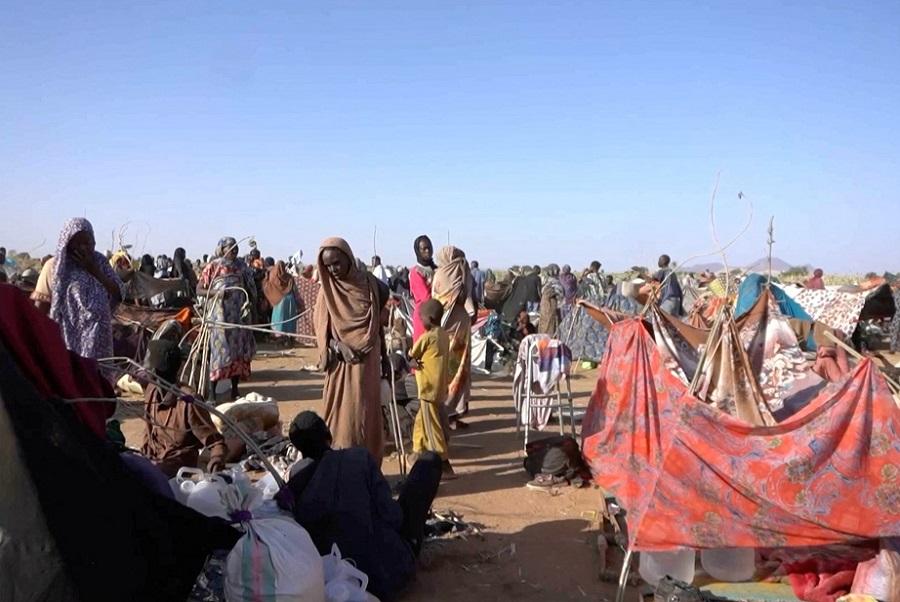
The latest dispute has also renewed scrutiny of allegations that Tigrayan refugees were recruited or coerced into joining Sudan’s conflict.
Abdel Shakour Abdel Samad, a senior researcher at the Centre for Strategic Studies and Regional Integration Initiatives, told Erem News that some fighters deployed alongside SAF units had originally entered Sudan as refugees.
He alleged that vulnerable individuals were persuaded or forced into military service and subsequently deployed in operations across Khartoum, Gezira, Sennar and Blue Nile.
The researcher said reports that fighters were being prevented from returning to Tigray raised serious concerns about their safety and freedom of movement.
He called for greater attention from human rights organisations and urged pressure on the SAF government and Eritrean authorities to protect those affected.
The Sudan Times previously reported allegations involving the recruitment and trafficking of Tigrayan youths into Sudan’s war, including claims that recruits were transferred through military training facilities before deployment.
Those allegations remain subject to independent verification.
The latest claims point to a widening dispute over military leadership, payment obligations and the continued deployment of Tigrayan fighters at a time when SAF forces face sustained pressure on multiple fronts.
Neither the SAF government nor representatives of the Tigrayan fighters were quoted responding to the allegations in the Erem News report.