Niger’s military government has given China National Petroleum Corporation (CNPC) until Friday, November 27, to say publicly whether it will resume talks over disputed oil revenues. Niamey says it could take the case to international arbitration if the company fails to respond, Erem News reported on Sunday.
CNPC has rejected the demand for a public declaration and wants the dispute settled under the contracts already in force, a source familiar with Niger’s oil sector told Erem News. The source said the Chinese side had raised the possibility of taking its own case to the International Centre for Settlement of Investment Disputes.
The two sides are now at odds over how to return to the negotiating table just six months after they signed agreements that included $1 billion to develop two oil projects. At the centre of the dispute is where the proceeds from Niger’s crude exports have been held since shipments began in April 2024.
Foreign Minister Bakary Yaou Sangaré said in October that CNPC had failed to bring back to Niger some 3 trillion CFA francs (€4.57 billion) in export earnings. He said the company held accounts abroad, including in Paris and Hong Kong, and called on it to repatriate the proceeds and disclose details of contracts awarded to local subcontractors.
Sangaré put the shortfall in the state treasury at 17 billion CFA francs (€25.9 million). The larger figure in his account represents export earnings he said remained overseas. Following an October review of the May agreements, the minister gave the Chinese partners 45 days to fulfil their commitments.
The dispute has also reached the Zinder refinery. Erem News reported that the refinery had shut down after major maintenance fell behind and bills attributed to the Chinese company went unpaid. The Chinese side, in turn, blamed Niamey for the production stoppage, saying its negotiating position had hardened and the expulsion of Chinese executives had made a settlement more difficult.
Niamey has sought other investors. At an oil industry forum in Nairobi in October, a Nigerien delegation encountered questions from prospective Western partners over whether the government would honour contracts and protect investments, according to Erem News. Investors cited both the dispute with CNPC and the nationalisation of the SOMAÏR uranium operation, which has pitted Niger against French nuclear group Orano in international arbitration.
China has played a central role in Niger’s oil industry since production began in 2011. Its investments span the Agadem oilfields, the Zinder refinery and the pipeline that carries Nigerien crude to the port of Sèmè-Kpodji in neighbouring Benin.
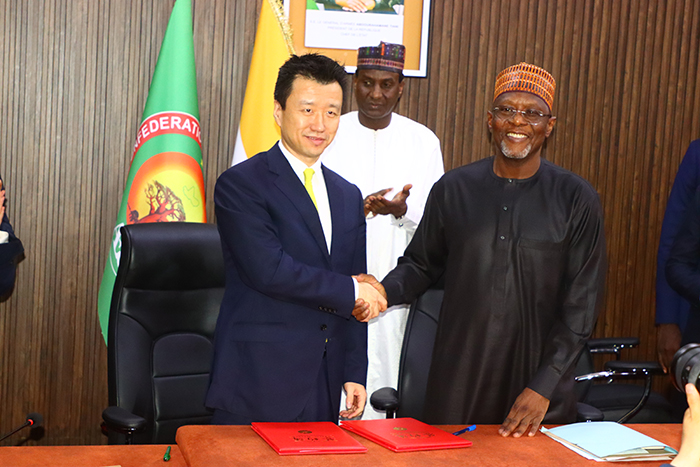
The agreements signed in Niamey on May 18 were meant to expand that business. The two sides agreed to revive the Dinga Deep and Abolo-Yogou projects and set a target of 145,000 barrels a day by the end of 2029, up from 110,000. The deal also cut the pipeline transport charge from $27 to $15 a barrel, a reduction Sangaré said would save Niger more than $106 million a year.