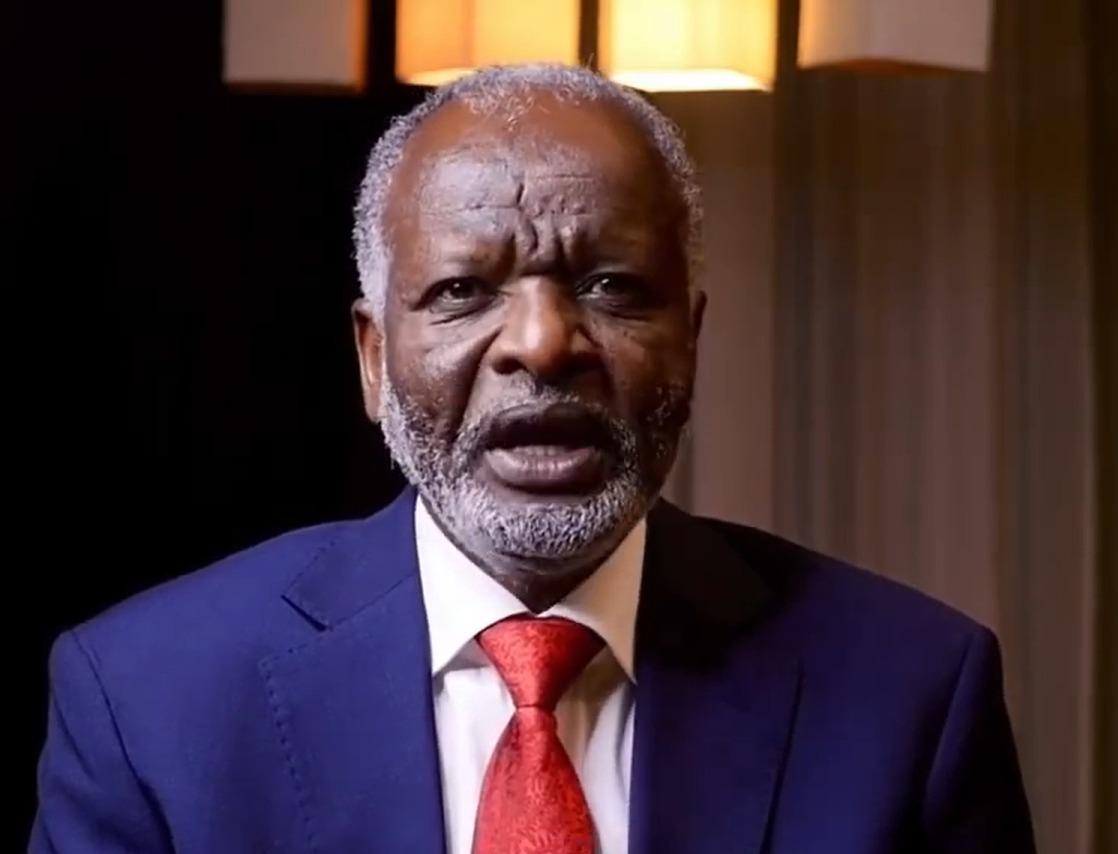
Suleiman Sandal, leader of the Justice and Equality Movement (JEM) and interior minister in Sudan’s TASIS Government of Peace and Unity, is pressing ahead with efforts to reorganise his movement following internal disagreements, as a group of dissident commanders reportedly prepares to establish a separate armed organisation while maintaining its allegiance to the TASIS political project.
The developments point to a leadership struggle within one of the Sudan Founding Alliance’s constituent movements rather than a broader political realignment, with the departing officials reaffirming their commitment to the Founding Charter underpinning the TASIS administration.
Three sources told Darfur24 that political and military figures who recently broke with Sandal’s leadership are preparing to establish a new organisation following disagreements over command appointments, recruitment and internal decision-making.
However, the dissidents have not announced any intention to join the Sudanese Armed Forces (SAF) or abandon TASIS, whose political and military coalition includes the Rapid Support Forces (RSF).
Instead, their declared commitment to the Founding Charter suggests the dispute remains centred on the leadership and internal organisation of Sandal’s JEM faction.
The latest reports come after Sandal took formal steps earlier this month to reorganise the movement’s leadership, removing senior officials who had announced their departure and moving to fill vacant positions.
On November 10, Sandal issued two decisions dismissing Sultan Ibrahim Abkar Hashim from his positions as deputy chairman and Darfur regional secretary, and Ahmed Adam Ahmed Issa as South Darfur state secretary.
The decisions, numbered 25 and 27 of 2026, were issued under Article 16 of the movement’s amended constitution, with instructions for immediate implementation across its organisational institutions.
The dismissals followed an October 28 announcement by Abkar, Adam and other senior figures that they were breaking with Sandal’s leadership over organisational disagreements.
Sandal subsequently moved to fill leadership vacancies, appointing Mohamed Abdallah Adam Nahar to senior responsibilities in the Darfur region.
The measures indicate that Sandal is pursuing an institutional reorganisation despite the departures, rather than allowing the dispute to halt the movement’s political and military activities.
During a meeting with JEM officials in South Darfur on November 12, Sandal reaffirmed the movement’s commitment to the broader TASIS project, describing it as an extension of JEM’s longstanding demands for equality, political inclusion and an end to the historical marginalisation of Sudan’s peripheral regions.
He urged members to strengthen the movement’s organisational structures, improve coordination between regional and local offices and expand political mobilisation.
Sandal also emphasised the importance of TASIS’s political leadership under Mohamed Hamdan Dagalo, known as Hemedti, and called on members to unite behind the alliance’s objectives.
His remarks, delivered after the initial defections but before the latest reports of plans for a new organisation, reflected an effort to reinforce political continuity while rebuilding the movement’s internal structures.
The JEM leader has not issued a separately verified public statement directly addressing the November 21 reports about the proposed breakaway movement.
The disagreements themselves reportedly emerged during a restructuring of JEM’s military command.
According to Darfur24’s sources, tensions developed after Sandal established a new general staff structure that excluded several commanders who had participated in rebuilding the movement’s fighting force.
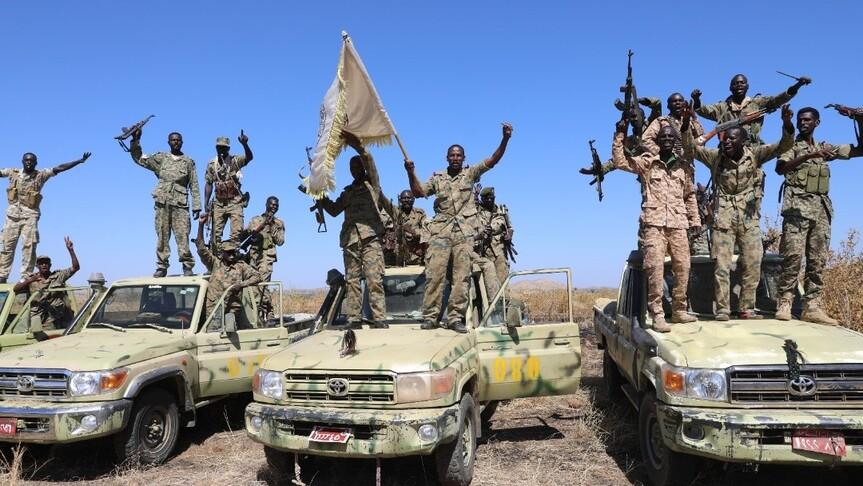
Those commanders reportedly played a significant role in recruiting approximately 2,000 fighters following an earlier loss of personnel and equipment during the battles surrounding El Fasher in North Darfur.
The sources claimed that a separate group of fighters previously associated with the movement had joined the SAF-aligned Joint Force while travelling through the border region between Sudan, Libya and Chad.
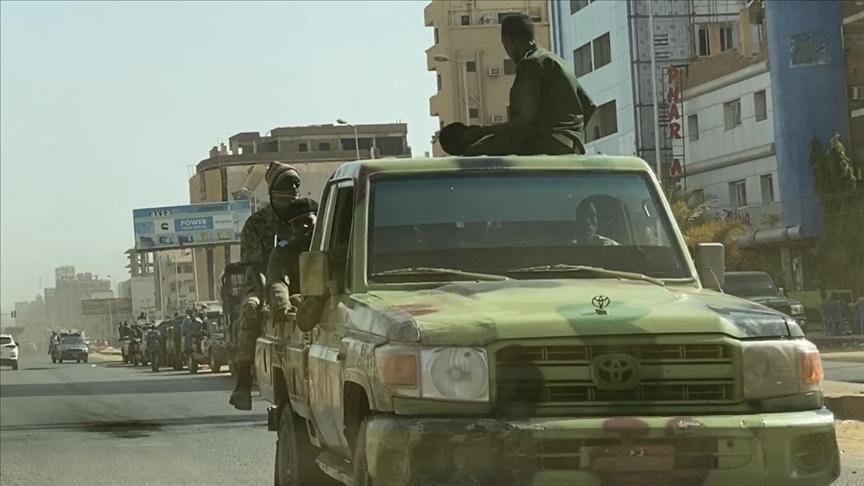
The departing contingent reportedly possessed around 50 combat vehicles that had been destined for JEM positions in Darfur.
That development allegedly created a military gap, prompting Sandal’s leadership to rely on veteran members and established recruitment networks to rebuild its forces.
Approximately 2,000 recruits were subsequently trained at Abu Ajura in Al Salam locality, west of Nyala, according to the sources.
However, disputes reportedly emerged when some commanders involved in organising the recruitment effort were not included in the newly constituted military leadership.
Political disagreements compounded the situation, bringing together dissatisfied civilian officials and military commanders who began discussing the formation of a separate movement.
Darfur24 reported that Hasabo, the movement’s Kordofan sector chief, is being considered as a possible leader of the proposed organisation.
The new faction could retain the Justice and Equality Movement name, although its leadership, military composition and final organisational arrangements have yet to be formally announced.
The allegations surrounding military appointments remain based on accounts from unnamed sources, and Sandal’s leadership has not publicly provided a detailed response to those specific claims.
Despite the disagreements, the departing officials’ continued support for the TASIS Founding Charter remains a significant distinction from earlier defections involving members of Sudan’s armed movements.
The charter forms the political foundation of the TASIS Government of Peace and Unity, established around a programme calling for a federal, secular state, political restructuring and the creation of a unified national army.
The latest dispute therefore raises questions about representation and leadership within the alliance, but does not presently establish a rupture between the dissidents and TASIS’s wider political objectives.
It also differs from the earlier division that separated Sandal from JEM leader Gibril Ibrahim in August 2023.
That split followed disagreements over the war and ultimately placed the two leaderships in opposing political camps.
Ibrahim aligned his faction with the SAF and retained his position as finance minister in the SAF government, while Sandal joined TASIS and became interior minister in its Government of Peace and Unity.
The opposing choices produced two distinct political trajectories for a movement that had historically fought against Sudan’s central authorities over the marginalisation of Darfur and other regions.
Sandal’s faction has since positioned itself within the TASIS programme for a new political order, maintaining that the alliance’s objectives are consistent with JEM’s original demands for justice, equality and restructuring the Sudanese state.
At the November 12 meeting, Sandal stressed that the movement should be organised around institutions rather than individual loyalties and rejected discrimination within its ranks.
He also called for greater participation by women and young people, alongside efforts to strengthen the movement’s political and administrative presence in Darfur.
Those priorities form part of his wider effort to consolidate JEM’s role in the TASIS administration, whose headquarters are based in Nyala.
For the alliance, the significance of the latest dispute will depend largely on whether the breakaway commanders establish an independent military structure and how they position themselves within the coalition.
Their commitment to the Founding Charter leaves open the possibility that competing JEM factions could continue supporting the same political alliance despite disagreements over internal leadership.
There has been no verified formal response from TASIS’s central leadership specifically addressing the proposed new organisation.
Nor has there been confirmation that the dissidents intend to take up arms against Sandal’s forces or challenge the TASIS government.
For now, Sandal remains at the helm of his JEM faction and continues serving in the TASIS administration, while his leadership presses ahead with organisational appointments and efforts to strengthen the movement’s institutions.
The emerging breakaway presents an internal challenge, but the dissidents’ declared political position suggests that the immediate struggle is over control and representation within JEM rather than a shift towards the SAF-aligned camp.
Whether the dispute can be contained through political accommodation or leads to the formal establishment of another armed faction remains uncertain.