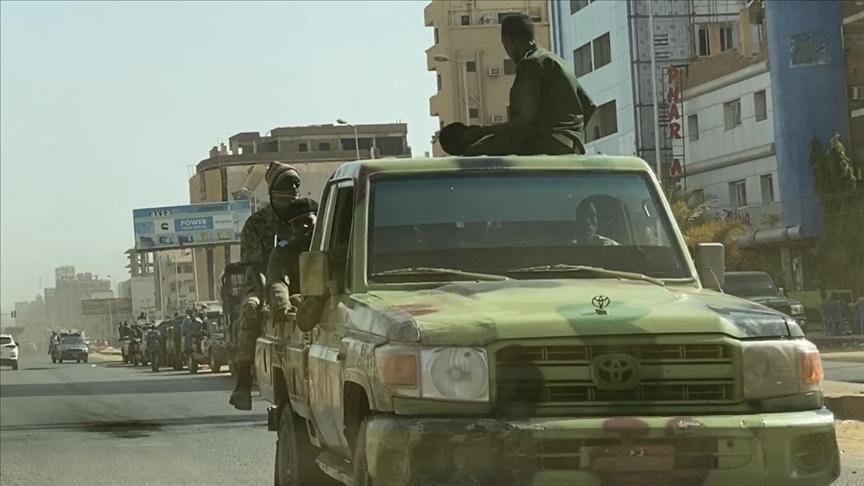
Reports of a proposed military arrangement between Sudan’s SAF government and Saudi Arabia have sparked criticism among Sudanese citizens, amid claims that thousands of fighters from the Sudan Shield Forces could be deployed to Yemen in exchange for economic and political support from Riyadh.
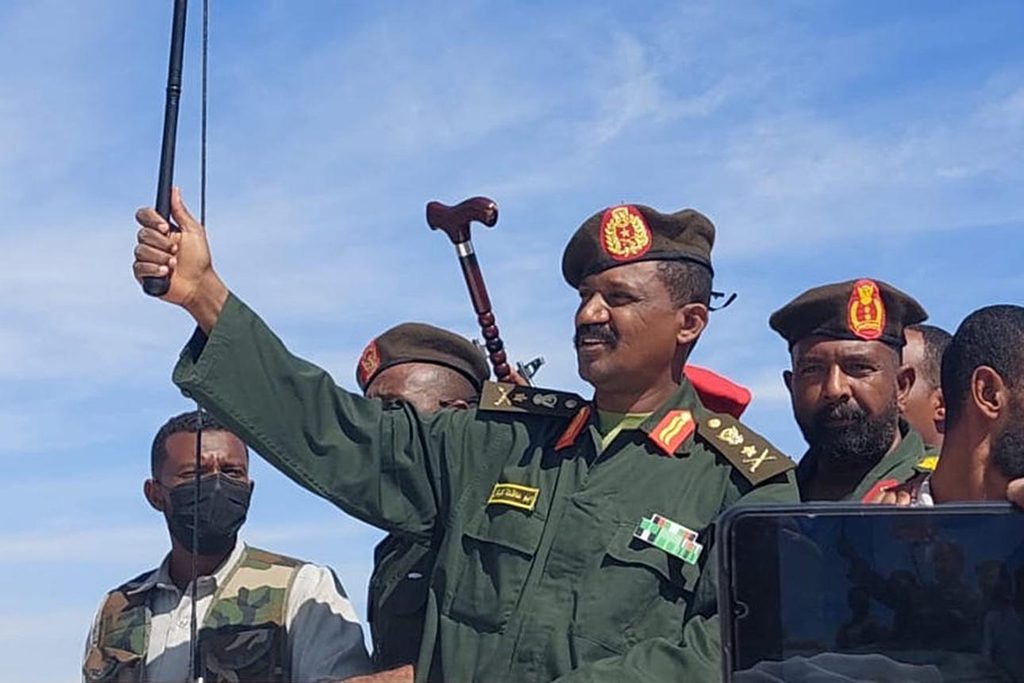
The controversy follows reports that Sudanese army chief Abdel Fattah al-Burhan has approved arrangements to send fighters loyal to Abu Aqla Keikel, commander of the SAF-allied Sudan Shield Forces, to support Saudi-led military operations against Yemen’s Houthi movement.
According to Sudanese media reports, the proposed deployment would initially involve approximately 2,000 fighters, with plans to send as many as 10,000 personnel over an 18-month period.
The reports have prompted angry reactions among Sudanese citizens, who question why the SAF government would commit fighters to another regional war while Sudan remains devastated by its own conflict, economic collapse and deepening humanitarian crisis.
The precise terms of the reported agreement, including the number of troops involved and the nature of their proposed mission, have not been independently established.
Keikel’s Saudi visit raises questions
The controversy intensified following Keikel’s visit to Saudi Arabia, from which he returned to Khartoum on November 19.
Reports subsequently emerged alleging that the Sudan Shield commander had discussed military cooperation with Saudi officials, including arrangements for recruiting and transporting Sudanese fighters for possible deployment along the Saudi-Yemeni border and inside Yemen.
Sudanese journalist Ihab Madbo, citing sources familiar with the alleged discussions, reported that the proposed arrangement involved a phased mobilisation of at least 10,000 Sudan Shield fighters.
Under the reported plan, an initial contingent of approximately 2,000 recruits would travel to Saudi Arabia before being assigned to military operations linked to the conflict in Yemen.
Madbo said the discussions raised serious questions about the future of the Sudan Shield Forces, their military priorities and the commitments their leadership may have undertaken.
Additional reports suggested that approximately 6,000 fighters were preparing for possible deployment along the Saudi-Yemeni border, although it remains unclear whether this figure represents a separate contingent or forms part of the larger proposed deployment.
The conflicting figures have added to uncertainty surrounding the scale and implementation of the reported arrangement.
A separate report published on Sunday by Sudanese outlet Al-Zawiya claimed that Keikel had publicly discussed sending Sudan Shield units to Saudi Arabia during an address to his fighters.
According to the outlet, Keikel also said Burhan had authorised the issuance of military identification numbers to Sudan Shield personnel, allowing salaries to be paid through the military system and facilitating deployments abroad.
The reported remarks have not been independently authenticated.
Sudanese condemn ‘selling fighters’ abroad
The prospect of sending Sudanese fighters into another foreign conflict has triggered criticism on social media, with some citizens accusing the SAF leadership of treating economically vulnerable young men as a source of military manpower for foreign governments.
One Sudanese Facebook user described the reported arrangement as another disaster for a country already exhausted by years of war.
The critic accused Burhan of presiding over economic conditions that leave ordinary Sudanese with few opportunities, before allegedly offering them dangerous military assignments abroad.
Referring to reports that recruits could receive approximately $2,000 a month, the commenter questioned why Sudanese fighters should risk their lives in Yemen for financial compensation while Saudi Arabia has its own armed forces.
The criticism reflects wider concerns that Sudan’s economic collapse could make military recruitment increasingly attractive to unemployed young men, particularly in communities already suffering from displacement, rising prices and the destruction of livelihoods.
For opponents of the proposed arrangement, the central issue is not simply whether Sudanese troops should participate in regional military operations, but whether the country’s political and military leadership is using economic desperation to secure foreign support.
Fears of another Bashir-era arrangement
The reported deployment has revived memories of former President Omar al-Bashir’s decision to send Sudanese troops to Yemen in 2015 as part of the Saudi-led coalition fighting the Houthis.
Sudan’s participation in that intervention became a prominent example of how the country’s military forces could be drawn into regional conflicts as Khartoum sought financial assistance and stronger diplomatic relationships with wealthy Gulf states.
The latest allegations suggest a potential return to that model, with Burhan reportedly seeking Saudi economic and political backing at a time when the SAF government faces mounting financial pressures.
Reports circulating earlier this month alleged that the proposed military cooperation could involve Saudi fuel supplies intended to ease shortages affecting areas administered by the SAF government.
The Sudan Times previously reported allegations that SAF personnel and fighters from allied armed groups had been sent to Saudi Arabia as part of a possible military arrangement.
That earlier reporting cited claims that the deployment could be linked to assistance from Riyadh, although the existence and terms of any reciprocal agreement remained unconfirmed.
The latest accounts place Keikel and the Sudan Shield Forces at the centre of the controversy, raising questions about whether an SAF-allied armed formation could become a major supplier of Sudanese personnel for military operations beyond the country’s borders.
‘Sudanese blood is precious’
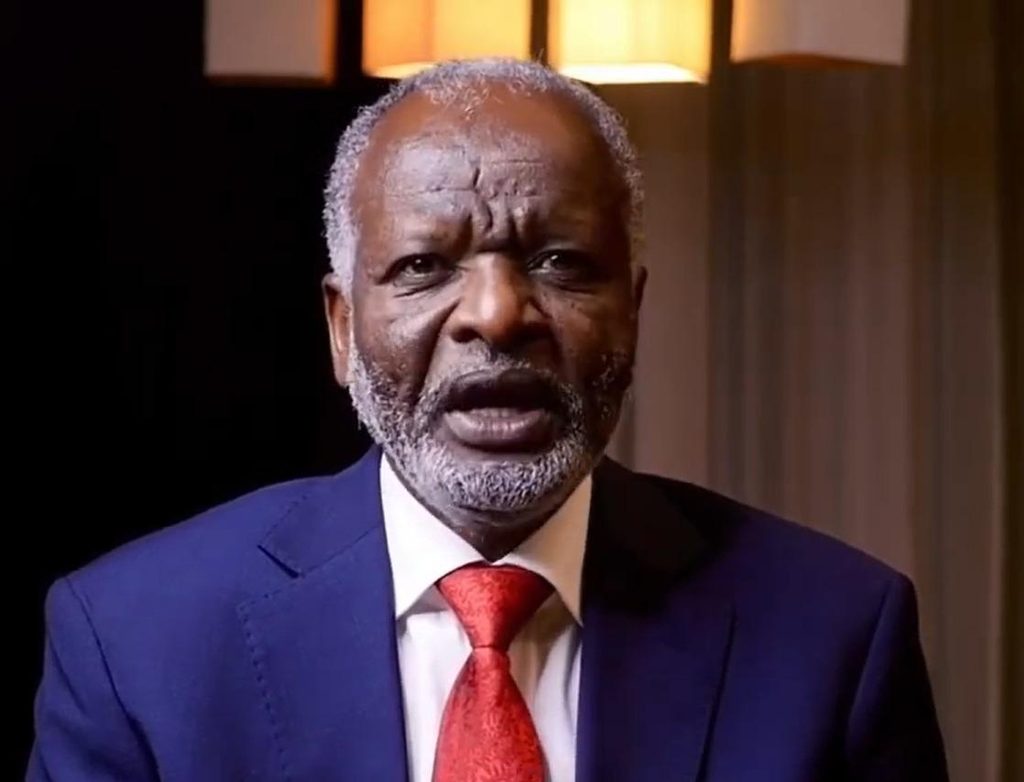
Dr Hafez Jadallah warned that the reported arrangements had generated anxiety among sections of the Sudanese population, particularly in central Sudan, where Sudan Shield fighters have played a significant role in military operations against the Rapid Support Forces (RSF).
Jadallah said many residents regarded Keikel’s forces as an important component of the campaign to recover territory and protect communities in central Sudan.
However, he questioned the logic of transferring those fighters abroad while Sudan’s own war continues.
He warned that, if confirmed, the decision would demonstrate a failure to learn from the country’s previous involvement in foreign conflicts.
Jadallah also challenged the moral implications of sending Sudanese fighters into another country’s war, arguing that Sudan should not impose on others the same suffering its own population has endured.
He said the country’s military resources should instead be directed toward domestic security, reconstruction and addressing the consequences of the continuing conflict.
“Sudanese blood is precious,” Jadallah said, warning that the deployment of Sudanese fighters to Yemen risked renewing resentment over the country’s earlier involvement in the conflict.
The debate has also raised questions about the legal status of Sudanese personnel participating in foreign military operations.
Although critics have characterised the proposed arrangement as mercenary activity, payment for foreign military service does not automatically make a fighter a mercenary under international humanitarian law. That classification depends on several specific legal conditions, including recruitment, motivation and the fighter’s relationship to the armed forces of a party to the conflict.
Nevertheless, the controversy has brought renewed scrutiny to the financial and political arrangements under which Sudanese citizens could be recruited to fight abroad.
Military setbacks and economic pressure
The reported arrangement comes at a particularly difficult moment for Burhan, whose forces are facing renewed battlefield pressure in Sudan’s Blue Nile region.
Recent advances claimed by the RSF and its allies in the Sudan Founding Alliance (TASIS) have challenged the SAF leadership’s assurances that it is steadily regaining control of the country’s contested territories.
Fighting around strategic locations in Blue Nile has heightened concerns over the security of Ed Damazin, the regional capital, while the conflict continues to place considerable pressure on military resources.
At the same time, the SAF government is struggling with a deteriorating currency, rising food prices, fuel shortages and an economy severely weakened by more than three years of war.
Against this backdrop, allegations that Burhan could be negotiating the deployment of thousands of Sudanese fighters in exchange for Saudi assistance have intensified questions about his government’s priorities.
The Sudan Shield Forces occupy a particularly important position within the SAF’s network of allied armed groups.
Keikel, a former RSF commander who defected to the SAF in October 2024, has commanded forces heavily involved in fighting across central Sudan.
His leadership has also attracted international scrutiny. The United Kingdom sanctioned him in February 2026 over suspected involvement in serious violations of international humanitarian law. European Union sanctions documentation similarly identifies him as commander of the SAF-allied Sudan Shield Forces.
Who benefits from another foreign war?
For Sudanese critics, the allegations raise a fundamental question: why should a country struggling to fight its own war supply thousands of fighters for another military campaign abroad?
The proposed arrangement, if confirmed, could further expose the SAF government’s dependence on foreign economic assistance while raising questions about the independence of its military decision-making.
It could also deepen domestic tensions if communities that have supplied fighters for Sudan’s internal conflict come to believe those same men are being redirected toward foreign military objectives.
For families already bearing the human and economic costs of the Sudanese war, the prospect of further deployments abroad has revived painful memories of the country’s participation in Yemen under Bashir.
Whether the reported agreement will proceed, and whether the alleged deployment involves combat operations or border-security duties, remains uncertain.
But the growing controversy has already exposed a widening divide between a military leadership seeking regional support and Sudanese citizens questioning whether their country’s fighters should again be sent to die in a foreign war.