When Abu Aqla Keikel’s Sudan Shield Forces switched sides in October 2024, their commander went with them. Now his fighters have received Sudanese army service numbers, and Keikel says army chief Abdel Fattah al-Burhan wants several of their battalions to serve abroad. The numbers settle a practical matter for the men. They can draw military salaries. What Keikel has yet to explain is who would command those battalions once they deploy.
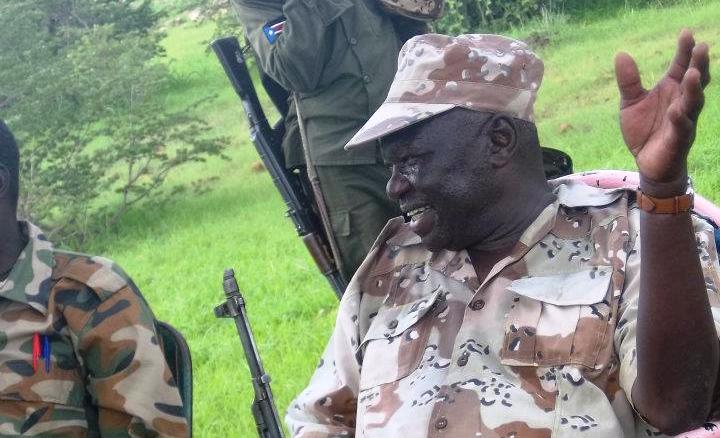
Keikel described the arrangements in a video circulated on social media. Addressing his troops, he said military personnel needed service numbers to travel abroad and presented Burhan’s directive as recognition of their role in the war. He told the men he had intended to keep the arrangements quiet because filming was prohibited, but wanted them to hear the news from him.
His account identifies two people in the decision. Burhan authorised the assignment, according to Keikel, and Keikel announced it to his fighters. He spoke of sending Sudan Shield battalions abroad, suggesting the men would deploy together. His remarks gave no indication whether a regular SAF officer would take command of those units, whether Keikel would retain authority over them or who would answer for their conduct overseas.
For the Sudan Shield Forces, those questions have a history. The group joined the Rapid Support Forces (RSF) in August 2023. Keikel served as an RSF commander in Gezira before he and his fighters defected to the Sudanese Armed Forces (SAF) on October 20, 2024. The change of allegiance brought an organised fighting force over to Burhan’s side. It also preserved Keikel’s position at its head.
From Saudi Arabia to the Blue Nile front
Keikel returned from Saudi Arabia on November 19. Reports about the visit have linked his forces to a possible Saudi deployment involving up to 10,000 fighters in support of operations against Yemen’s Houthis. In the recorded remarks reported by Sudan Tribune, Keikel went only as far as confirming plans for several battalions to travel abroad. He gave no destination, departure date or troop count. Sudan already has military personnel stationed in Saudi Arabia.
Within days of his return, Keikel made a separate announcement about where his men would fight inside Sudan. Speaking on Sunday while offering condolences for a fallen officer in Khartoum’s East Nile area, he said Sudan Shield forces were heading to Blue Nile to fight the RSF. By Monday, the Sudan Founding Alliance (TASIS) was claiming the capture of Souda and its army camp, days after it said it had taken nearby Bau. The SAF had already reinforced its positions around Damazin.
The two announcements leave the SAF government with a practical choice over how to use the force it has brought onto the payroll. Keikel has publicly identified a front inside Sudan where he says his fighters are needed. He has offered the men fewer details about the foreign assignment, including its purpose or how long it would take them away from the war at home.
For now, the clearest evidence of how integration works comes from Keikel’s own appearance before his troops. Burhan can issue the directive and the army can pay the salaries. The man explaining to Sudan Shield fighters where they may be sent, and why they should go, is still the commander they followed across the lines of Sudan’s war.