The Sudan Liberation Democratic Movement called on the SAF government on Wednesday to give investigators access to records and evidence concerning alleged chemical weapons use in Sudan. Its chairman said the government’s handling of the case had deepened its diplomatic isolation and warned that losing Sudan’s seat on the chemical weapons watchdog’s Executive Council could be the first of several setbacks.
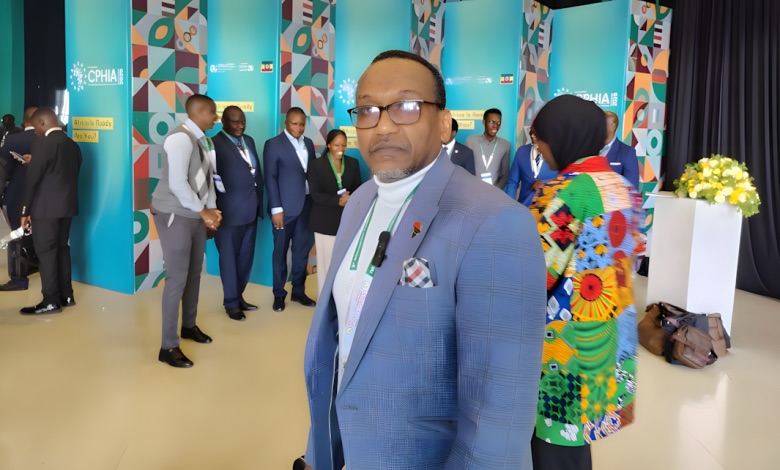
Hasab al-Nabi Mahmoud Hasab al-Nabi, the movement’s chairman and a member of the Sudan Founding Alliance (TASIS) leadership, told Erem News that losing the seat came at a cost to Sudan itself. He said the country was losing a voice in an international body, even as he welcomed what he saw as overdue recognition abroad of the danger the SAF government posed to Sudanese citizens.
Sudan currently holds one of Africa’s nine seats on the Executive Council of the Organisation for the Prohibition of Chemical Weapons (OPCW). Its term runs until May 2027. At this week’s conference in The Hague, member states elected Angola, Cameroon, Morocco, Tanzania and Tunisia to fill the five African seats coming up for election. Sudan will leave the council when its term expires.
In its statement, the movement said the SAF government bore political responsibility for Sudan’s declining influence. It linked the diplomatic setback to the destruction wrought by the war, abuses against civilians and the use of state institutions for political ends. Those actions, it said, had weakened confidence abroad in the government’s ability to protect Sudanese interests or meet the country’s treaty obligations.
The movement urged the SAF government to answer questions submitted by OPCW member states under Article IX of the Chemical Weapons Convention. It called for an independent investigation, access to the evidence for technical experts and accountability for anyone found responsible for using banned weapons.
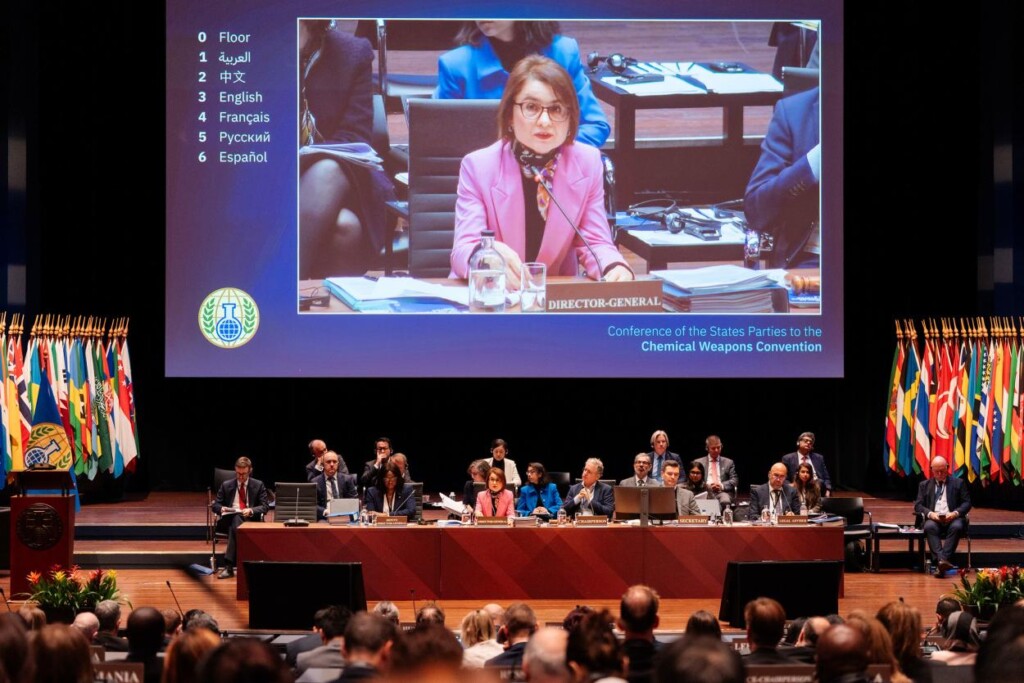
OPCW Director-General Sabrina Dallafior told delegates in The Hague that the allegations remained before the council. She urged countries holding evidence to share it with the OPCW Secretariat, including in confidence. Dallafior said she had also met Sudanese representatives, offered technical assistance with their national investigation and asked that its findings be shared with member states.
The United States announced in May 2025 that it had determined the SAF government used chemical weapons in Sudan in 2024. Washington subsequently imposed sanctions. The SAF government’s foreign ministry denied the allegation in a statement circulated to the UN Security Council.
Hasab al-Nabi said he expected the SAF government to face further international pressure. His movement also called on foreign governments to consult Sudanese civilian groups directly on matters affecting the country’s future and its international obligations. It accused the warring parties of monopolising decisions that belonged to Sudanese citizens and called for civilian oversight of the institutions that represent them abroad.