Eritrea severed diplomatic relations with Ethiopia on Thursday after Addis Ababa ordered the closure of its embassy in Asmara and expelled 10 Eritrean diplomats, deepening a regional crisis as fighting in northern Ethiopia intensifies.
Ethiopia’s Foreign Ministry said it was shutting its embassy in Eritrea in response to what it described as Asmara’s “direct and indirect acts of hostility and belligerence” against Ethiopia.
The government also gave 10 Eritrean diplomats 48 hours to leave the country.
Eritrea responded by cutting diplomatic ties entirely.
“Eritrea has no option but to reciprocate in kind and sever all diplomatic ties with Ethiopia with all the negative corollaries that this entails,” Eritrea’s foreign ministry said.
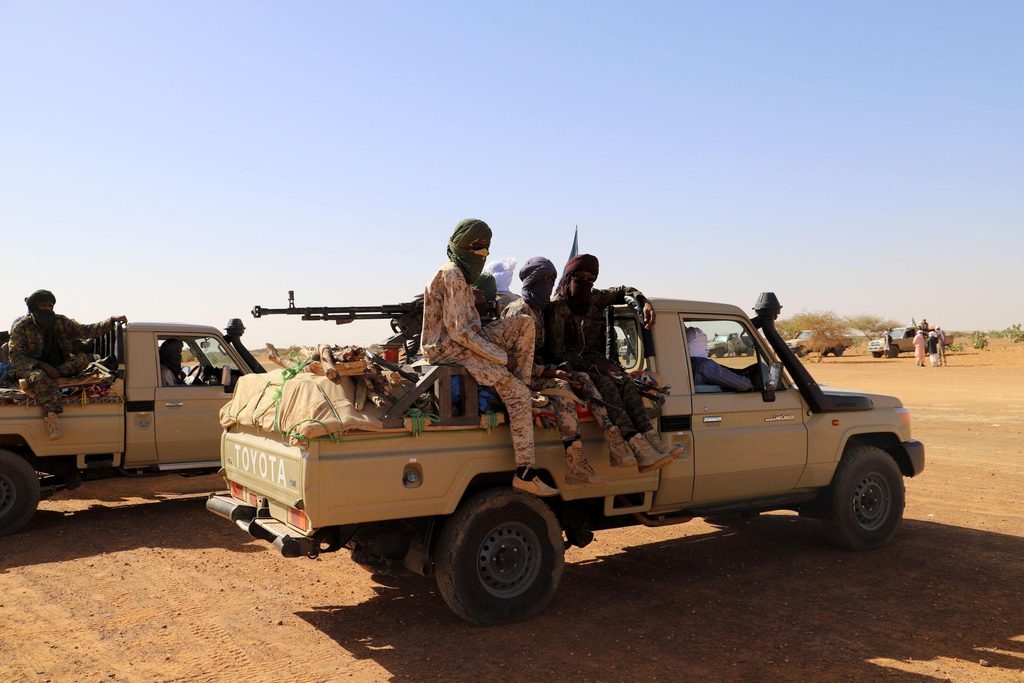
The moves came amid growing fears that renewed fighting in northern Ethiopia could widen into a regional conflict.
Addis Ababa has accused Eritrea, Sudan and Egypt of backing an opposition alliance led by the Tigray People’s Liberation Front, or TPLF, which has been fighting federal forces since last week. All three countries have denied the allegation.
Ethiopia also declared an Egyptian diplomat persona non grata on Thursday and ordered him to leave within 48 hours, according to state broadcaster Ethiopian Broadcasting Corporation and sources familiar with the matter.
Egypt’s Foreign Ministry did not immediately comment.
The diplomatic confrontation followed a series of explosions heard overnight in Addis Ababa.
A source linked to the opposition alliance told Reuters that it had carried out several drone strikes in the capital, including attacks targeting the military headquarters.
If confirmed, the strikes would mark the first known drone attacks by anti-government forces on Addis Ababa, hundreds of kilometres from the main front lines in Tigray, Amhara and Afar.
Three diplomatic sources confirmed hearing the explosions, although witnesses said there was no visible damage near the military headquarters.
The government, military and TPLF did not immediately comment on the reported strikes.
The latest fighting is the most serious escalation in Ethiopia since the end of the 2020-2022 civil war, which killed hundreds of thousands of people.
Eritrea fought alongside Ethiopia’s federal forces against the TPLF during that conflict, but relations between Addis Ababa and Asmara deteriorated sharply after Eritrea was excluded from the November 2022 peace agreement.
Tensions have also risen over Ethiopia’s demand for access to the Red Sea.
Landlocked Ethiopia has said maritime access is essential to its economic and national security interests, while Eritrea has expressed concern that Addis Ababa could attempt to seize its Assab port by force.
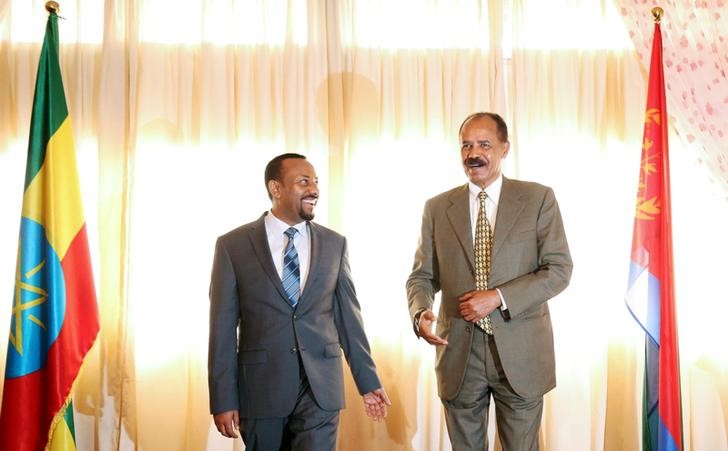
Relations between the two countries had only been restored in 2018 under a rapprochement that helped Ethiopian Prime Minister Abiy Ahmed win the Nobel Peace Prize.
The renewed fighting has further strained those ties.
Days after the latest clashes began, Afar regional leader Haji Awol Arba told Al Jazeera that Eritrean troops had crossed into Afar and joined the opposition alliance’s offensive. Eritrea has not publicly confirmed the allegation.
Federal troops and allied militias, meanwhile, have claimed fresh gains in Tigray and Afar, although those battlefield reports could not be independently verified.
Ethiopia’s national intelligence service has also banned drone flights over Addis Ababa amid growing concern that opposition forces may now possess armed drone capabilities.
The pro-government Tigray Peace Forces said earlier this week that it had captured drone frames and batteries from forces linked to the TPLF.
Federal forces have been advancing in southern Tigray toward the regional capital Mekelle, while opposition forces have seized towns in neighbouring Afar.
Pro-government forces also said they had recaptured Erbeti in Afar after the town was taken by TPLF forces at the beginning of the latest conflict.
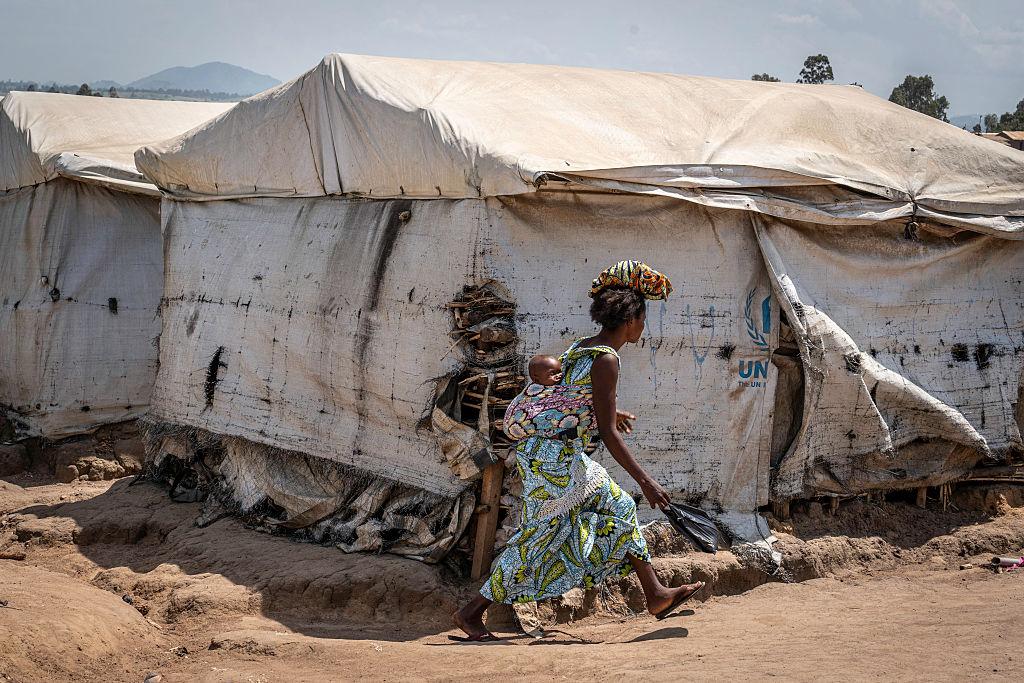
The fighting in Afar has forced tens of thousands of people to flee their homes, according to the Afar Pastoralist Development Association.