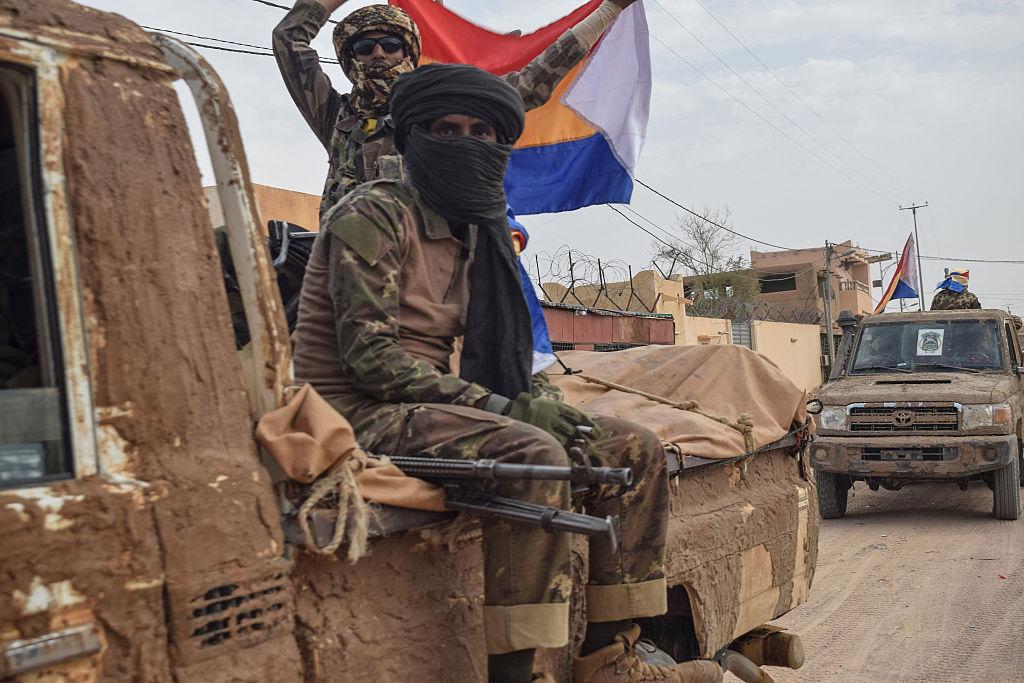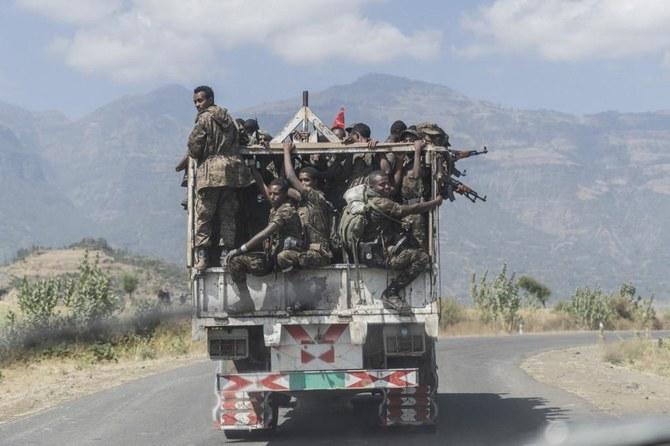
Eritrean troops were seen moving through the northern Ethiopian town of Adigrat on Wednesday, according to witnesses, days after Ethiopia and Eritrea severed diplomatic ties amid growing fears of a wider regional conflict.
Two residents told Reuters they saw two trucks carrying dozens of Eritrean soldiers pass through Adigrat, a town in Ethiopia’s Tigray region about 25 kilometres south of the Eritrean border.
The witnesses said they identified the soldiers by their distinctive off-white camouflage uniforms. A third resident, who was outside the town at the time, said family members had also reported seeing Eritrean troops.
Reuters could not independently verify the accounts. The witnesses spoke anonymously because of security concerns.
If confirmed, the sightings would mark the first verified presence of Eritrean troops inside Ethiopia since renewed fighting erupted last month between federal forces and an armed opposition alliance operating across Tigray, Amhara and Afar.
Eritrea rejected the claims.
Information Minister Yemane Gebremeskel accused Ethiopia of fabricating allegations about Eritrean involvement to create a justification for military action against Asmara.
Ethiopia has accused Eritrea of supporting the rebel alliance fighting federal forces since September 23. Eritrea has repeatedly denied backing the group.
Authorities in Ethiopia’s Afar region have also claimed Eritrean troops were participating in fighting there, although those allegations have not been independently confirmed.
Relations between Addis Ababa and Asmara have deteriorated sharply in recent weeks, culminating in the severing of diplomatic ties last week.
The renewed tensions come amid longstanding Ethiopian calls for improved access to the Red Sea. Prime Minister Abiy Ahmed and other Ethiopian officials have repeatedly described sea access as strategically important for the landlocked country, while insisting Addis Ababa intends to pursue the issue peacefully.
Eritrea, however, has viewed some of those statements as a potential threat to its sovereignty.
Yemane said Ethiopia was attempting to portray any future confrontation as an act of self-defence.
“We connect the dots,” he said, arguing that the latest allegations were part of a broader campaign against Eritrea.
Eritrean forces previously fought alongside Ethiopia’s federal military during the 2020-2022 Tigray war.
Ethiopian officials, United Nations experts and human rights organisations later said some Eritrean troops remained in northern Tigray after the conflict formally ended. Eritrea denied maintaining forces there.
The latest fighting has intensified fears that Ethiopia’s internal conflict could spill across its borders and destabilise the wider Horn of Africa.
Tigray borders Eritrea to the north and Sudan to the west, while Ethiopia has also accused Egypt and Sudan of supporting the opposition alliance. Both governments have denied the allegations.
The United States has urged Ethiopia and Eritrea to exercise restraint, warning that renewed fighting between the two countries could further destabilise the region and damage Washington’s relations with both governments.
Eritrea became independent from Ethiopia in 1993 following a three-decade war. The two countries later fought a devastating border conflict between 1998 and 2000 that killed tens of thousands of people.
Relations improved dramatically in 2018, when Abiy and Eritrean President Isaias Afwerki restored diplomatic ties, a breakthrough that helped Abiy win the Nobel Peace Prize.
The rapprochement has since unravelled, with the latest military accusations raising fears that the two former enemies could once again move toward direct confrontation.