A coalition of Ethiopian opposition and armed groups has formally announced a new alliance aimed at challenging Prime Minister Abiy Ahmed’s federal government and paving the way for a transitional administration, marking a potentially significant realignment among forces that have previously fought on opposing sides.
Seven Ethiopian opposition and armed groups are involved in the newly announced coalition, according to Ethiopian media reports on Sunday. The development follows months of contacts among armed movements operating across Tigray, Amhara and other parts of the country.
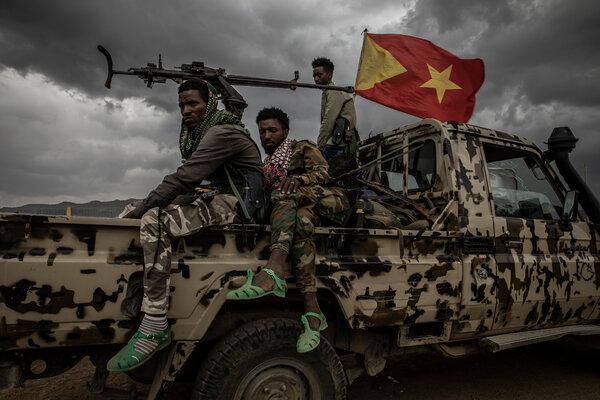
Emmanuel Assefa, deputy chairman of the Tigray People’s Liberation Front, told AFP that the groups had established an alliance and were coordinating with several other forces.
The objective, he said, was to remove the current federal government and facilitate the establishment of a transitional administration.
The announcement is particularly significant because some of the movements now exploring cooperation were bitter enemies during Ethiopia’s devastating 2020-2022 Tigray war.
Amhara Fano forces fought alongside the federal army against the TPLF during that conflict, but Fano later turned against Addis Ababa and has waged an insurgency against federal forces in Amhara since 2023.
Relations between the TPLF and Abiy’s government have also deteriorated sharply despite the Pretoria peace agreement that formally ended the Tigray war in November 2022. Fighting between federal and Tigrayan forces has again been reported in northern Ethiopia in recent weeks.
The emerging alignment has frequently been described as “Tsimdo,” a loose framework bringing together forces opposed to the federal government.
Fano leader Zemene Kassie said in August that several armed movements had been holding months of negotiations over cooperation against Abiy’s government, although the extent of their military and political integration remained unclear.
The Oromo Liberation Army has also been involved in contacts with other opposition forces, but it has stopped short of describing those contacts as membership in a unified political coalition.
In a statement this week, the OLA described the emerging cooperation as a “procedural consensus” intended partly to reduce fighting among opposition movements and said it was not a member of the Tsimdo framework.
That distinction is important because major disputes remain among the groups.
Tigrayan and Amhara forces continue to have competing claims over territory in western Tigray, while Fano and Oromo armed movements have clashed repeatedly in western Oromia. Those unresolved disputes could complicate attempts to turn tactical cooperation against Addis Ababa into a durable political or military alliance.
The Ethiopian federal government has been warning for months about growing coordination among its opponents and has accused outside actors, particularly Eritrea, of supporting forces seeking to destabilise the country. Eritrea and opposition groups have disputed various elements of Addis Ababa’s allegations.
The latest announcement nevertheless represents a notable shift in Ethiopia’s increasingly fragmented conflict landscape, bringing together — or at least into closer coordination — forces from several of the country’s principal centres of armed opposition.
Abiy’s government is currently confronting continuing insurgencies in Amhara and Oromia while tensions and renewed fighting have threatened the fragile peace in Tigray.
Whether the new alliance develops into an integrated military coalition remains unclear. The most significant test will be whether groups that have historically fought one another begin coordinating operations against federal forces, rather than limiting their cooperation to political declarations and tactical understandings.