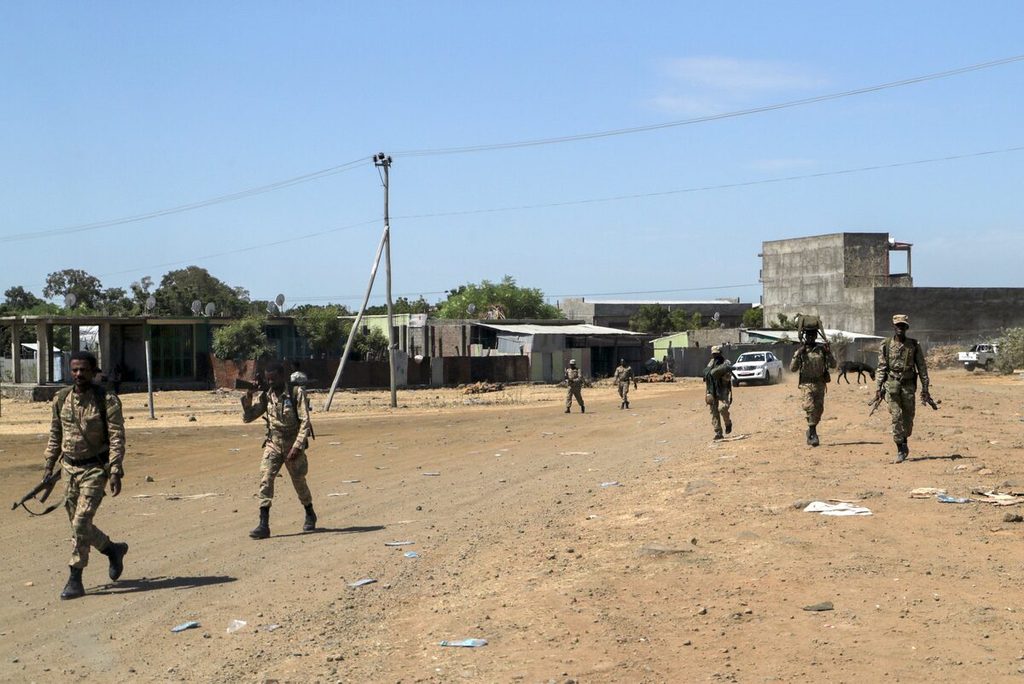
Ethiopian government forces were closing in on the Tigray regional capital Mekelle on Friday as renewed fighting in northern Ethiopia intensified and diplomatic tensions with neighbouring Eritrea deepened.
Residents told Reuters that banks and shops had closed across Mekelle, with federal troops and allied forces reported to be approaching the city. One resident said pro-government forces had advanced to within about 30 kilometres of the Tigray capital.
The advance marks a sharp escalation in fighting between the Ethiopian federal government and an armed alliance led by the Tigray People’s Liberation Front, or TPLF.
The latest conflict erupted last week and is the most serious outbreak of fighting since the 2020-2022 civil war, which killed hundreds of thousands of people before the African Union-brokered Pretoria peace agreement brought major combat to an end.
Federal and allied forces have made rapid gains in recent days after earlier advances by Tigrayan and allied fighters into parts of the neighbouring Amhara and Afar regions.
Pro-government forces had previously captured Alamata, a strategically important town south of Mekelle that lies on a key route into Tigray.
TPLF chairman Debretsion Gebremichael acknowledged on Thursday that federal forces had taken control of some areas but said Tigrayan forces were preparing a counter-offensive.
The fighting has raised concerns that the conflict could expand beyond Ethiopia, particularly as relations between Addis Ababa and Eritrea deteriorate.
Ethiopia announced on Thursday that it was closing its embassy in Asmara and ordered 10 Eritrean diplomats to leave the country within 48 hours, accusing Eritrea of hostile actions and of supporting the TPLF-led opposition alliance.
Eritrea rejected the allegations and responded by severing diplomatic relations with Ethiopia.
The two countries fought a border war between 1998 and 2000 before restoring relations in 2018.
Eritrean forces later fought alongside Ethiopia’s federal military against the TPLF during the 2020-2022 conflict, but relations between Addis Ababa and Asmara have since deteriorated.
One source of tension has been Ethiopia’s push for access to the Red Sea. Eritrea has expressed concern that Ethiopia could seek control of its Assab port, while Ethiopian Prime Minister Abiy Ahmed has said his government intends to secure maritime access through peaceful means.
Ethiopia has also accused Egypt and Sudan of supporting the armed opposition alliance. Both countries have denied the allegations.
Diplomatic tensions with Cairo escalated further this week when Ethiopia expelled an Egyptian diplomat. Egypt responded by ordering an Ethiopian embassy counsellor to leave.
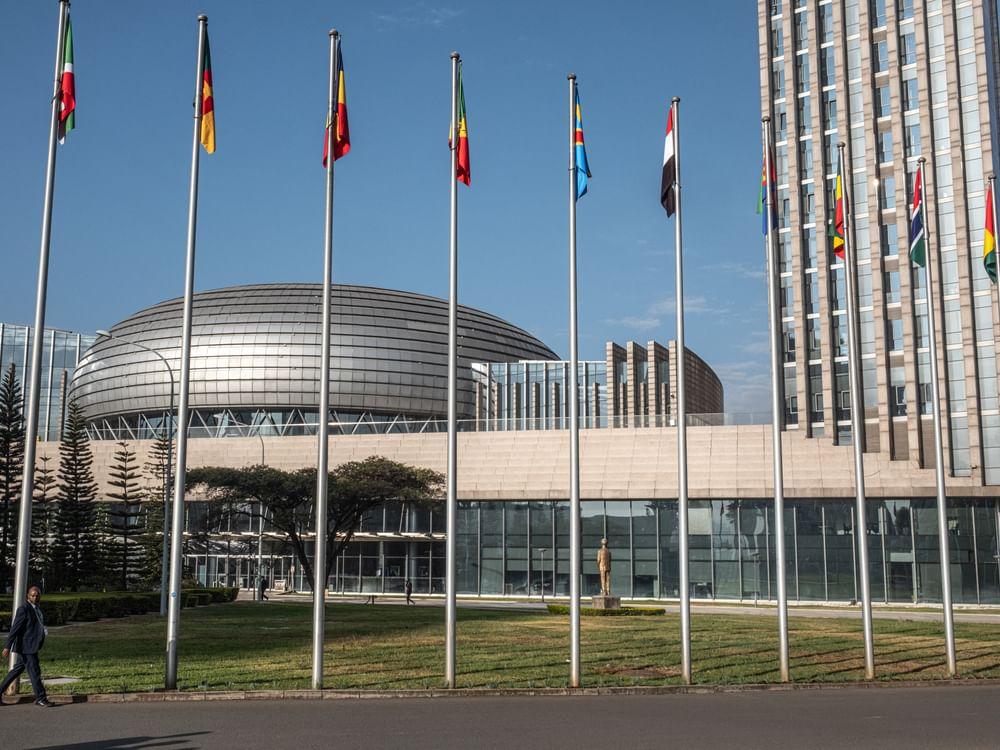
The African Union Commission on Friday urged Ethiopia, Eritrea and Egypt to exercise “maximum restraint” and resolve their differences through diplomacy.
Concerns over a broader confrontation have also increased following explosions in Addis Ababa late Wednesday.
A source linked to the opposition alliance said drones had targeted the Ethiopian National Defence Force headquarters and other locations in the capital, although Reuters said it could not independently verify the claim.
If confirmed, the strikes would represent the first known drone attacks by anti-government forces on Addis Ababa and indicate that the TPLF-led alliance possesses the ability to strike hundreds of kilometres beyond the northern battlefront.
The renewed conflict comes after the TPLF joined six other Ethiopian armed groups in an alliance whose members have said they aim to overthrow Abiy’s government.
The rapidly shifting battlefield, combined with Ethiopia’s worsening relations with Eritrea and Egypt and the continuing war in neighbouring Sudan, has heightened fears that the fighting could develop into a wider regional crisis.