New statements by Ethiopia’s water and energy minister on the management of Blue Nile flows and plans for additional dams have drawn objections from Egypt and Sudan, renewing tensions over one of the region’s most contentious water disputes.
Ethiopian Water and Energy Minister Habtamu Etefa said Addis Ababa intends to continue constructing dams and argued that the management of water flowing from Ethiopia toward downstream countries should remain under Ethiopian control, describing the policy as part of the country’s pursuit of equitable use of Nile waters and sustainable development.
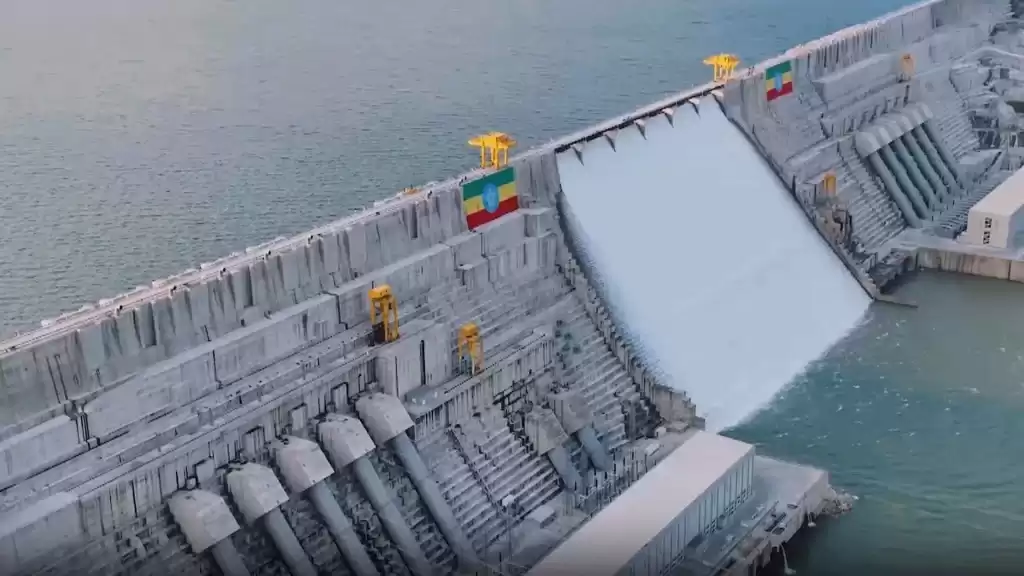
The remarks come amid a prolonged deadlock between Ethiopia, Egypt and Sudan over the Grand Ethiopian Renaissance Dam (GERD), particularly over rules governing its operation during periods of drought and the exchange of hydrological information.
An Egyptian official quoted in regional media rejected Etefa’s comments, saying the Nile was an international watercourse that could not be controlled unilaterally by any single state. The official said Cairo considered the statements inconsistent with principles of cooperation, consultation and avoiding significant harm to downstream countries.
Egyptian officials have also reiterated opposition to further major dams on the Blue Nile without agreements governing their operation and potential effects on downstream water supplies.
Former Egyptian irrigation minister Mohamed Nasr El-Din Allam described the Ethiopian comments as largely political, while noting that Ethiopia could influence the timing of water releases even if it could not permanently prevent flows downstream.
Cairo University water expert Abbas Sharaki also warned that additional reservoirs could increase Ethiopia’s ability to regulate Blue Nile flows, particularly during dry periods.
Reports have previously identified several potential Ethiopian hydropower projects in the Blue Nile basin, including dams at Mandaya, Karadobi and Beko Abo. The scale, timetable and final configuration of those projects remain important factors in assessing their potential downstream impact.
Sudanese officials also expressed concern over the Ethiopian statements, particularly because of Sudan’s proximity to Ethiopian dams and its dependence on coordination over water releases for the operation of Sudanese infrastructure such as the Roseires Dam.
A Sudanese official quoted in the report said additional upstream projects without binding coordination mechanisms could complicate Sudan’s management of irrigation, hydropower generation and reservoir levels.
Sudan has at various stages recognised potential benefits from regulated Blue Nile flows, including reduced flooding and more stable water availability, while also stressing the need for advance notification, data sharing and coordination to protect its dams and communities.
The dispute highlights the continuing divide between Ethiopia’s insistence on its right to develop Nile water resources and the concerns of Egypt and Sudan over how upstream projects could affect water security downstream.
Years of negotiations over GERD have failed to produce a comprehensive binding agreement, leaving the three countries divided over operating rules, drought management and mechanisms for resolving future disputes.