A new analytical report signals a decisive shift in Iran’s strategy across Africa — transforming the continent from a peripheral arena into a central pillar of Tehran’s confrontation architecture linked to its conflict with Israel.
According to a study published by the Middle East Forum and authored by Josep Lluís Alvaréz Gómez, Iran is building a layered military and logistical network across Africa, with drones at its core. What were once auxiliary tools are now the backbone of an expanding infrastructure projecting Iranian influence deep into fragile states.
Sudan as the launchpad
The report identifies Sudan as a critical hub in this network, with Port Sudan emerging as a key transit point for drone shipments. Repeated air corridors between Bandar Abbas and Sudan’s Red Sea coast have reportedly enabled sustained transfers of equipment.
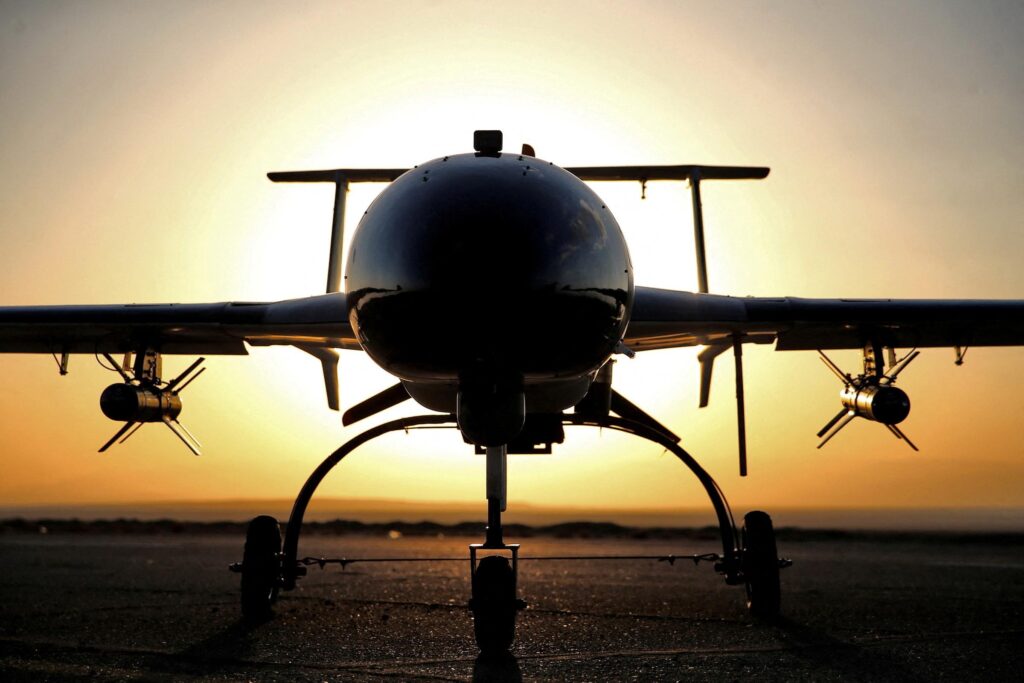
Satellite imagery cited in the report shows the presence of Iranian-made Mohajer-6 drones at Wadi Seidna airbase near Khartoum — a development that has moved beyond theory into battlefield reality.
These systems have been actively deployed in combat, contributing to battlefield shifts in favor of General al-Burhan’s army (SAF) in several areas. The report frames this as a turning point: Iran is no longer merely supplying allies — it is actively shaping outcomes on the ground.
A repeatable model across the Horn
Sudan is not an isolated case.
The same playbook was observed in Ethiopia during the Tigray war, where Tehran supplied armed drones to Addis Ababa. Eritrean ports such as Assab and Massawa are also highlighted as logistical nodes supporting this expanding network.
The strategy thrives in weak-state environments, where porous borders and limited oversight allow Iran to operate with minimal political cost while embedding itself in local conflicts.
Cheap drones, high impact
Central to this expansion is Iran’s reliance on low-cost systems such as the Mohajer-6 and Shahed-136 drones — estimated to cost between $20,000 and $50,000 — enabling mass deployment at relatively low expense.
But the human cost has been severe.
In Sudan alone, drone strikes have been linked to hundreds of civilian casualties over a short period, underscoring how these systems are reshaping warfare across African conflict zones.
Red Sea axis and sanctions workaround
Iran’s positioning in Sudan provides strategic access to the Red Sea, strengthening its linkage to allied networks in Yemen and extending its reach toward key maritime chokepoints such as Bab al-Mandab and the Strait of Hormuz.
The report also highlights a transactional model underpinning this expansion — weapons exchanged for resources such as gold — allowing Tehran to bypass sanctions while simultaneously eroding rival influence in the Horn of Africa.
Expansion into the Sahel
Iran’s ambitions are now stretching beyond East Africa into the Sahel.
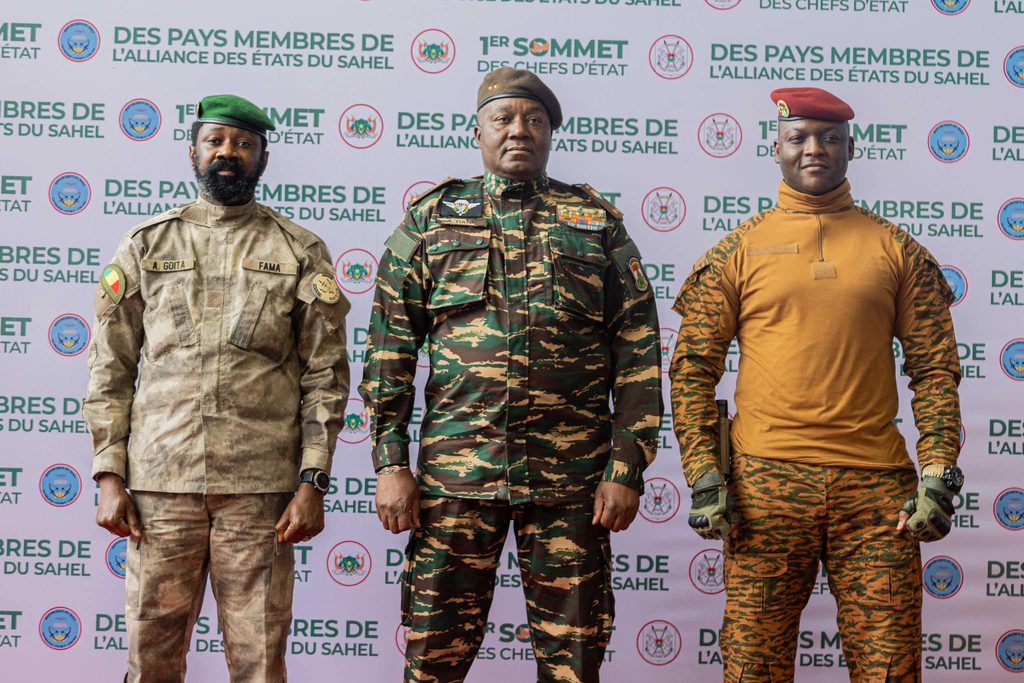
The report points to growing defense outreach in countries like Burkina Faso, alongside attempts to build ties with military-led governments in Mali and elsewhere. This expansion is fueled by declining Western influence and rising anti-Western sentiment, creating fertile ground for Tehran’s entry.
A growing challenge for Israel
The African network is increasingly viewed as a strategic threat to Israel.
By shortening supply lines to allied groups and creating potential operational platforms closer to Israeli interests, Iran is effectively extending its conflict geography. Reports of attempted targeting of Israeli diplomatic missions in Africa suggest organized efforts to recruit and activate local proxy networks.
This approach allows Tehran to maintain plausible deniability while expanding its operational footprint.
A long intelligence war ahead
The report concludes that countering this expansion will require enhanced intelligence cooperation with African states, deployment of counter-drone technologies, and targeted disruption of supply chains — including sabotage and cyber operations.
Coordination with regional partners, particularly in the Gulf, is also seen as critical to limiting Iran’s reach.
Analysts warn that Iran’s growing footprint reflects a deeper strategic shift: building influence far from traditional pressure zones using low-cost, high-impact tools.
If left unchecked, parts of Africa risk becoming entrenched arenas for proxy warfare — turning the continent into a long-term battleground for competing global and regional powers.
In that scenario, the next phase will not be defined by conventional warfare, but by a sustained, multi-layered intelligence conflict playing out across borders and shadows.