Mali’s military government faced one of its most serious security tests in years on Saturday after armed groups launched coordinated attacks across the capital Bamako and several northern and central cities, forcing the closure of the airport and exposing the widening reach of insurgents despite years of junta rule and Russian-backed security operations.
Explosions and sustained gunfire were reported before dawn near Kati, the strategic military hub outside Bamako where junta leader Assimi Goita is based. The area sits close to Modibo Keita International Airport, which was shut as fighting spread around key installations. A UN security alert described the incidents as “simultaneous complex attacks,” while the US Embassy urged American citizens to shelter in place.
Mali’s army said “unidentified armed terrorist groups” had targeted positions and barracks in the capital and the interior. Hours later, it said the situation was “under control,” though sweeping operations were still ongoing. It remained unclear whether that claim applied only to Bamako and Kati or to all areas hit by the attacks.
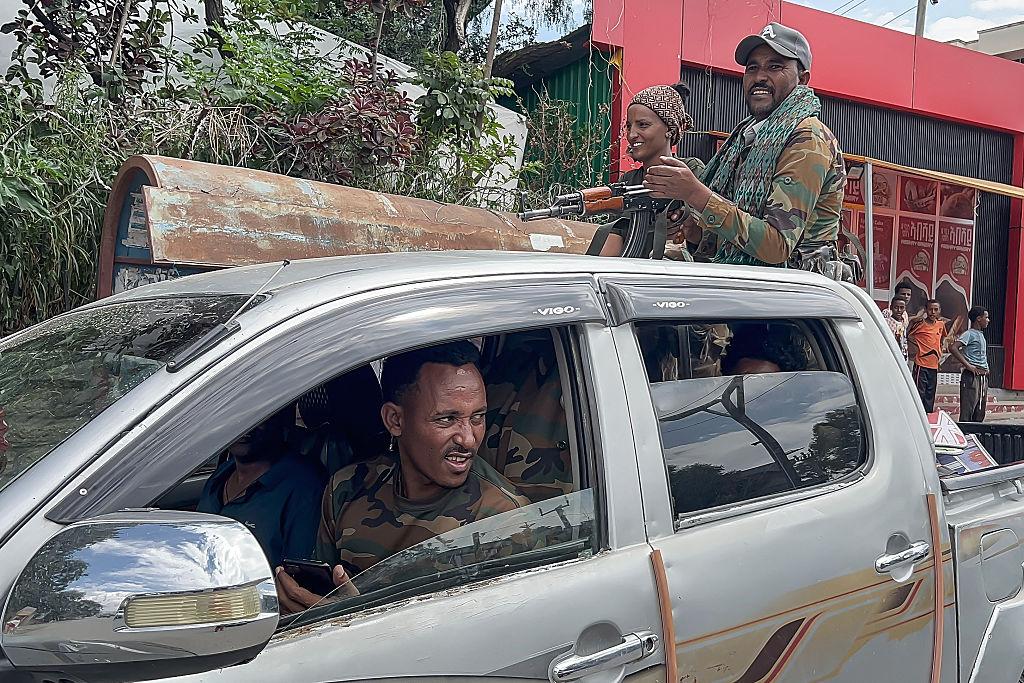
The attacks were reported in Kati, Bamako, Mopti, Sevare, Gao and Kidal, suggesting a broad and coordinated operation rather than an isolated raid. Witnesses described heavy gunfire, helicopters overhead and panic in affected areas. In Kati, reports said the residence of Defence Minister Sadio Camara was struck and destroyed, though Anadolu reported that he was safe.
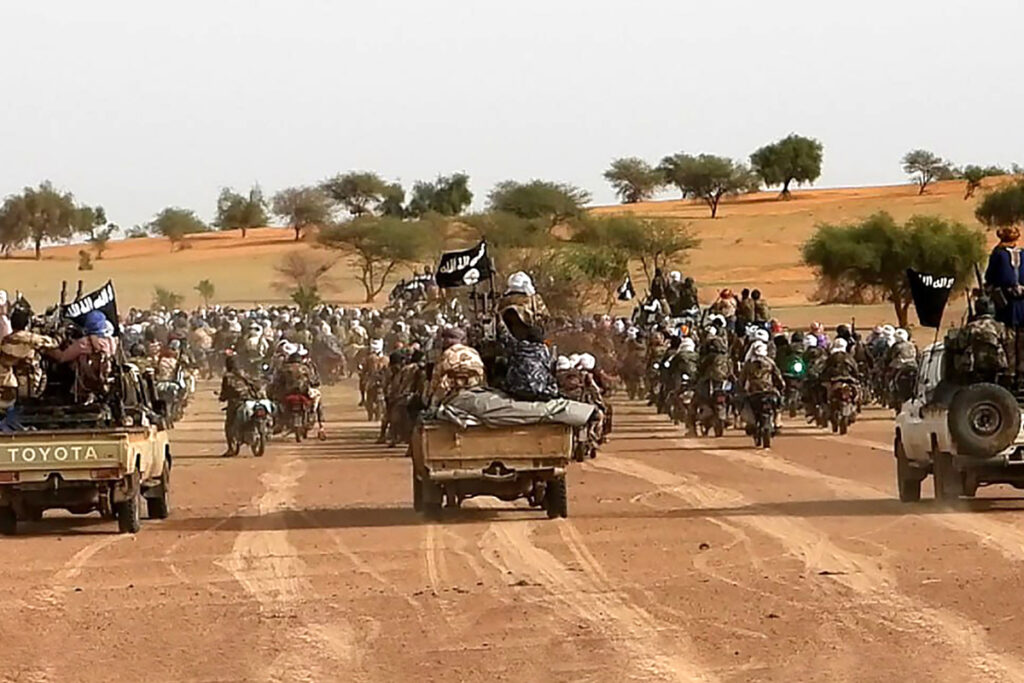
No group immediately claimed full responsibility for the nationwide assault, but security sources cited by Reuters said the al Qaeda-linked Jama’at Nusrat al-Islam wal-Muslimin, or JNIM, was involved. The Azawad Liberation Front, a Tuareg-led rebel alliance, also claimed operations in the north, saying its forces had taken positions in Gao and one of two military camps in Kidal. Reuters and other outlets said those battlefield claims could not be independently verified.
The possible coordination between JNIM and Tuareg separatists is especially significant. Mali’s current crisis began in 2012, when Tuareg rebels and jihadist factions seized large parts of the north before French intervention pushed them back. Saturday’s assault raised fears of a renewed convergence between separatist and jihadist forces at a time when the Malian state is already under heavy pressure.
Analysts described the operation as one of the largest coordinated attacks in years. Ulf Laessing of the Konrad Adenauer Foundation told Reuters it looked like “the biggest coordinated attack for years,” while Benedict Manzin of Sibylline called it a major test for the regime and warned that losses in northern Mali, including Kidal, were a realistic possibility.
The assault follows months of worsening pressure on Mali’s military rulers. JNIM declared a blockade on fuel imports in 2025 and has repeatedly attacked tanker convoys, at times severely disrupting supplies into Bamako and other cities. Reuters reported in November that the blockade had nearly paralysed the capital, posing one of the biggest threats yet to the junta.
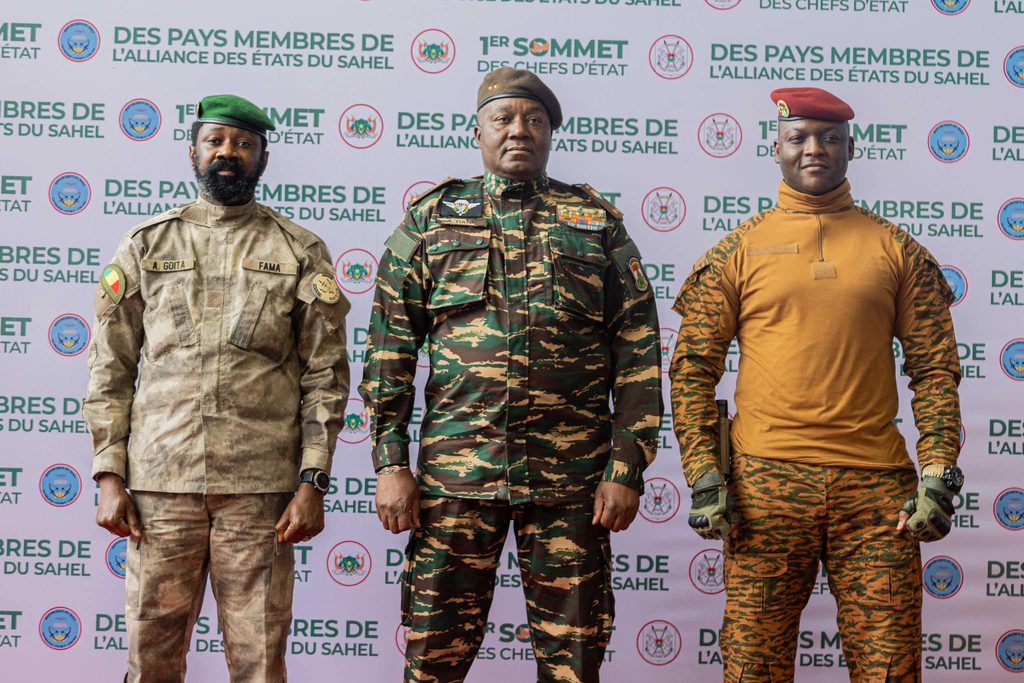
Goita’s government seized power after coups in 2020 and 2021, promising to restore security after years of instability. Instead, jihadist violence has spread deeper into the country. The junta expelled French forces, leaned heavily on Russian security support, and has more recently explored renewed intelligence cooperation with Washington. Reuters reported in March that Mali and the United States were nearing a deal to allow US aircraft and drones to resume intelligence flights over Mali.
The African Union condemned Saturday’s attacks, warning that they risked exposing civilians to significant harm and reaffirming support for peace and stability in Mali. The condemnation came as the country’s army continued operations and as uncertainty persisted over the status of several northern positions.
Saturday’s events mark a dangerous escalation for Mali’s junta. Even if the army succeeds in holding Bamako, the scale of the attacks shows that insurgent and rebel forces retain the ability to strike multiple fronts, disrupt the capital, challenge military strongholds and threaten northern cities at the same time.
For a government that came to power promising security, the message from Saturday’s assault was blunt: Mali’s war is not contained, and the armed groups fighting the state are becoming more ambitious, more coordinated and more capable of reaching the regime’s most sensitive zones.