Mali’s military leadership has rejected calls to open negotiations with the al-Qaeda-linked Jama’at Nusrat al-Islam wal-Muslimin (JNIM), insisting on a military solution despite mounting security and economic pressures across the country.
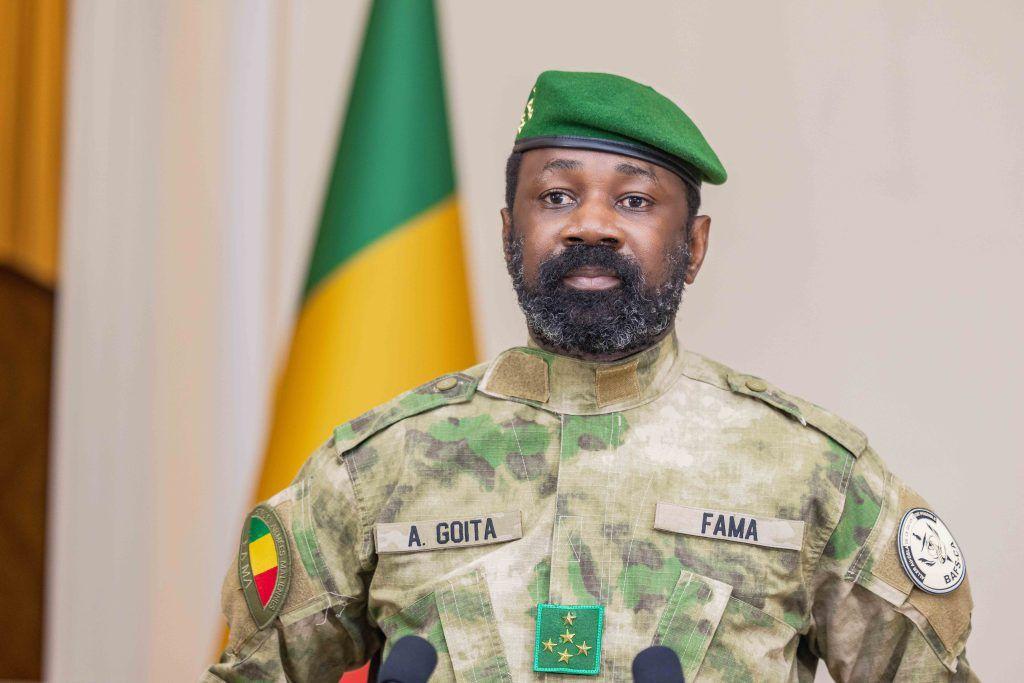
Government sources told Erem News that transitional President General Assimi Goita considers negotiations with the armed group tantamount to recognising its legitimacy and accepting its potential participation in a future government.
The sources said Mali’s military leadership remains firmly opposed to any political settlement involving JNIM, instead seeking to reinforce its military presence in northern regions.
Authorities reportedly intend to deploy additional troops and supplies to contain the group’s territorial advances and consolidate recent battlefield gains made by the Malian army in Kidal.
The government’s position follows recommendations by the International Crisis Group (ICG), which urged Sahel countries, particularly Mali, to consider opening communication channels with JNIM.
The Brussels-based organisation argued that negotiations could prove less costly than continued military confrontation after more than a decade of conflict across Mali, Burkina Faso and Niger.
In a briefing examining the growing threat posed by JNIM to urban centres in the Sahel, the organisation warned that the possibility of militants seeking control over major cities, including regional and potentially national capitals, could no longer be discounted.
Malian government sources dismissed the proposal, arguing that negotiations risk legitimising an organisation accused of serious human rights violations across Mali and neighbouring countries.
Blockade intensifies pressure on Bamako
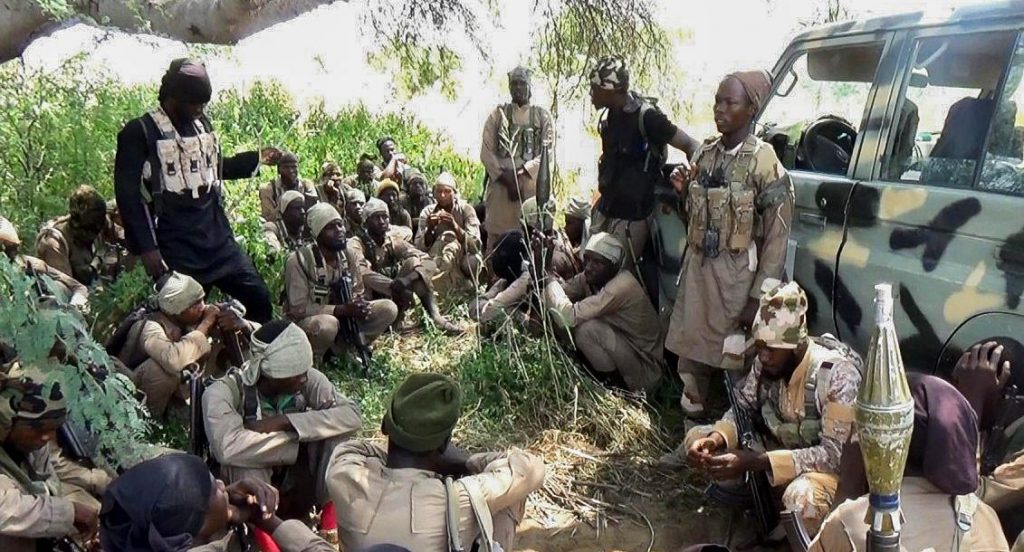
JNIM has expanded its influence through coordinated military operations and blockades targeting urban centres and rural communities, placing increasing pressure on the military government.
The group has disrupted major supply routes into the capital, Bamako, restricting deliveries of fuel and food for months and deepening concerns over the country’s economic and security stability.
The prolonged blockade has also raised fears of further deterioration in the security situation, with questions mounting over the military leadership’s ability to protect the capital.
According to Erem News, an attack on the strategically important military town of Kati in April killed Defence Minister General Sadio Camara, marking a significant escalation in Mali’s security crisis.
JNIM leader Iyad Ag Ghaly has meanwhile called for the formation of a broad-based political government in Mali while pledging to continue fighting both the ruling military authorities and the Russian forces supporting them.
Goita’s refusal to consider negotiations underscores the widening divide between international conflict-resolution proposals and Bamako’s determination to defeat the insurgency militarily, despite growing pressure on the capital and mounting instability across the Sahel.