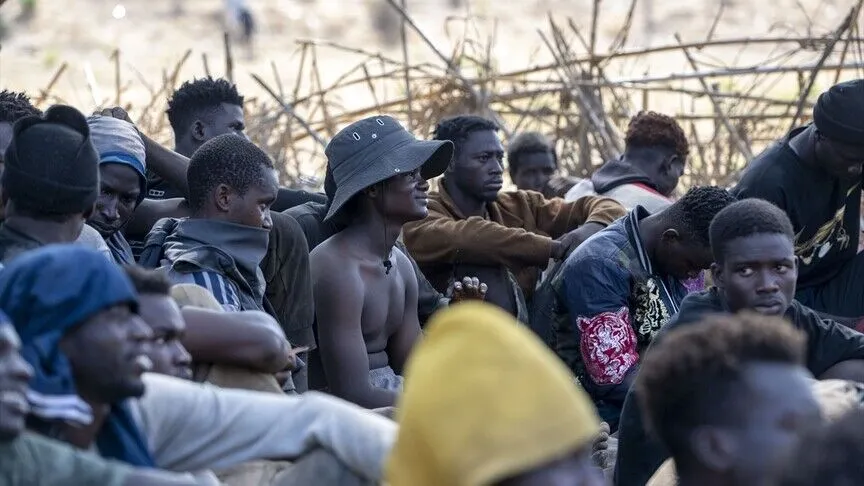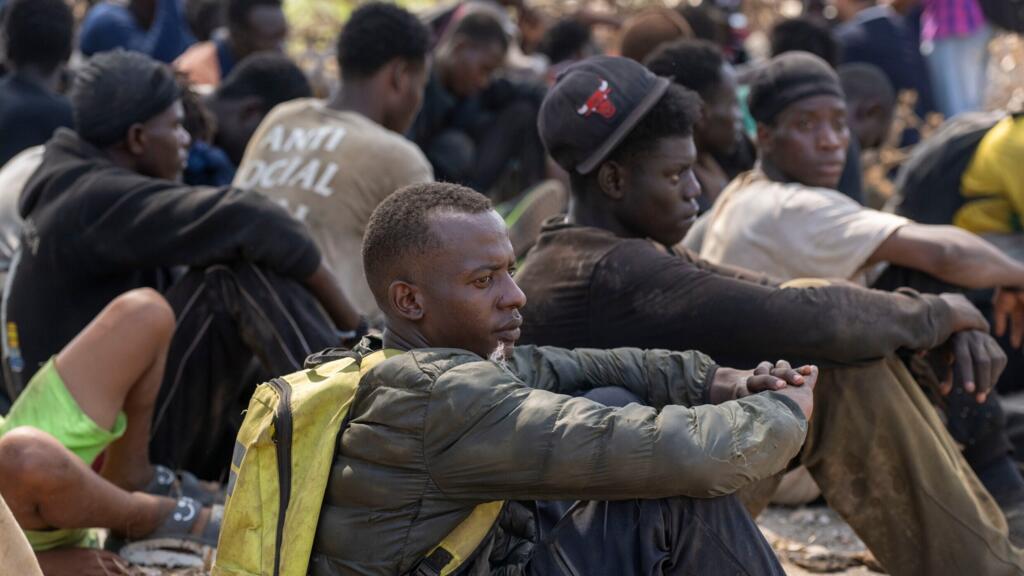
Thousands of stranded migrants are enduring desperate conditions in Spain’s North African enclave of Ceuta weeks after a massive border crossing from neighboring Morocco.
Local non-governmental organizations estimate that roughly 7,000 migrants remain trapped in limbo across the coastal territory without adequate food, medical care, or shelter.
Among those stranded are an estimated 4,000 minors who are relying heavily on local residents for basic nourishment and safety.
aid agencies report around 3,500 asylum seekers from conflict-torn nations, including Sudan, Yemen, Mali, Egypt, and Palestine, are among the population.
Many refugees insist returning to Morocco poses severe threats to their survival and express a preference to die in Ceuta over deportation.
Volunteer groups, including the Spanish Red Cross, distribute daily meals to hundreds gathered along local beaches as pressure mounts on municipal infrastructure.
Spanish authorities have deployed additional police forces to the enclave following widespread rumors of further mass border crossings from the Moroccan mainland.
Human rights representatives criticize the government’s inertia, warning that denying basic shelter risks provoking conflict while breaching vital legal safeguards for asylum seekers.
Ceuta’s residents, originally shaken by the sudden entry of tens of thousands, have increasingly organized relief efforts to support abandoned migrant groups.
Advocates call for urgent legal registration, administrative assistance, and individual case reviews to safeguard vulnerable individuals fleeing persecution and war.