Morocco’s liberal-centrist Authenticity and Modernity Party (PAM) has secured the largest number of seats in parliamentary elections, putting it in a position to lead the next government as the country prepares for the 2030 World Cup and faces growing economic pressures.
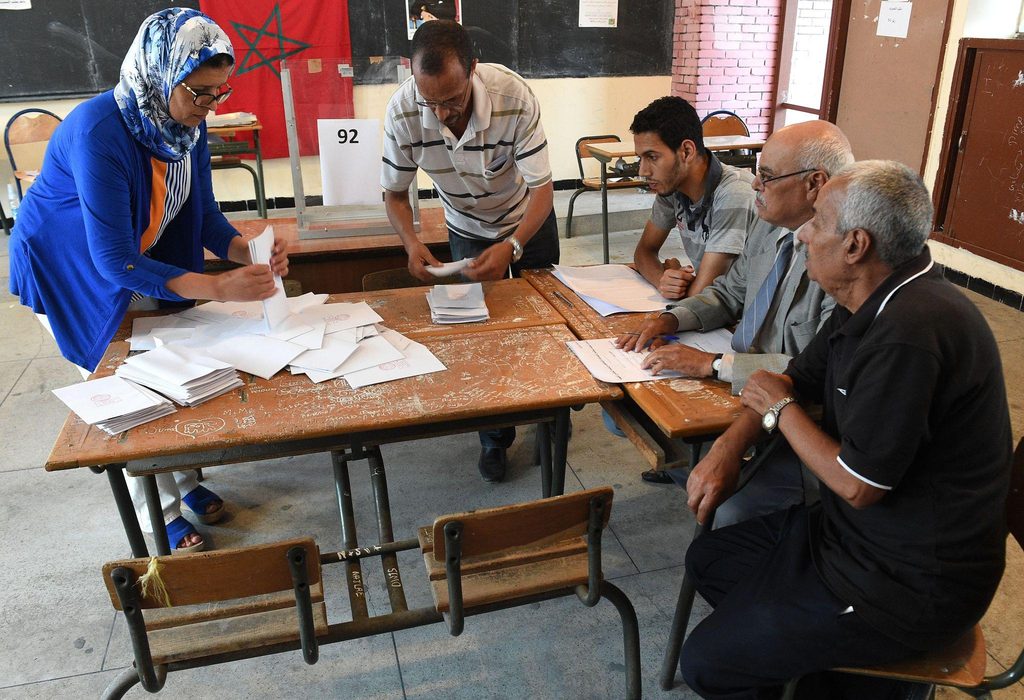
Provisional results announced on Thursday showed PAM winning 97 seats in the 395-member parliament, ahead of its outgoing coalition partner, the National Rally of Independents (RNI), which secured 66 seats. The conservative Istiqlal Party came third with 65 seats, according to Interior Minister Abdelouafi Laftit.
The Islamist Justice and Development Party (PJD) also made significant gains, increasing its representation from 13 seats in 2021 to 54, following the return of former Prime Minister Abdelilah Benkirane to the party leadership.
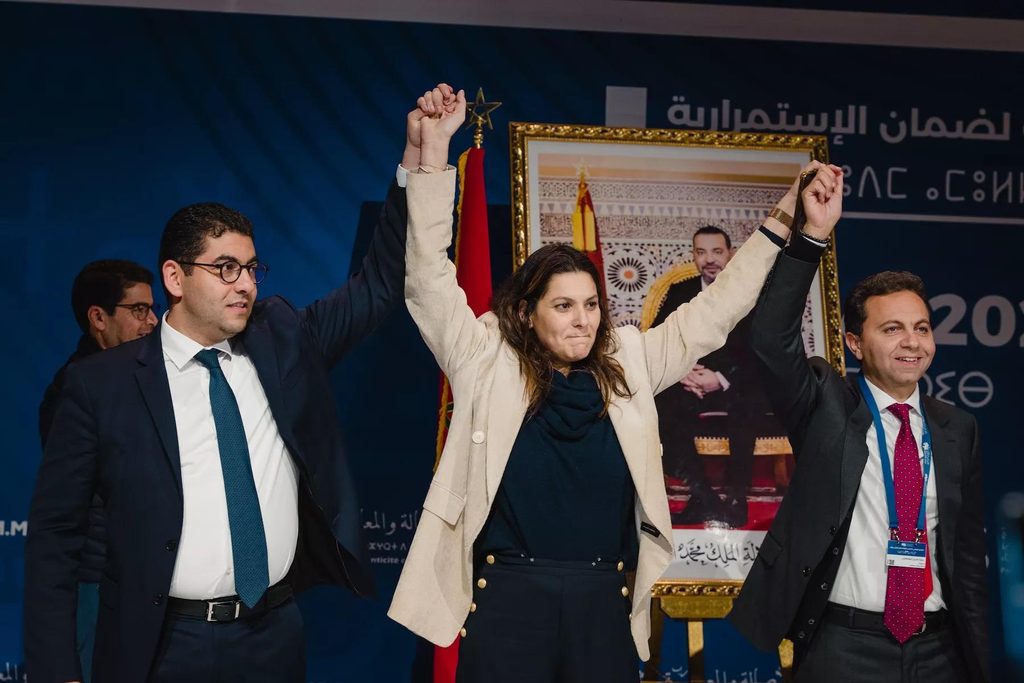
PAM, established in 2008 by an adviser to King Mohammed VI, benefited from the recruitment of Fouzi Lekjaa, the head of Morocco’s football federation and a senior government budget official, who joined the party shortly before Wednesday’s vote.
Lekjaa has played a prominent role in Morocco’s football development, including its historic run to the semi-finals of the 2022 World Cup and preparations to co-host the 2030 tournament alongside Spain and Portugal.
He and PAM leader Fatima Ezzahra El Mansouri are among the possible candidates for prime minister. If appointed, El Mansouri would become Morocco’s first female head of government.
Under Morocco’s constitution, the king appoints the prime minister from the party that secures the most parliamentary seats.
Coalition talks ahead
Despite its lead, PAM remains well short of the 198 seats required for a parliamentary majority and will need coalition partners to form a government.
The party has ruled out renewing its alliance with the RNI, with the former governing partners exchanging criticism over economic policies, particularly their handling of rising food prices.
During the election campaign, PAM pledged $37 billion in spending to create one million jobs, improve wages and expand investment in healthcare, education and social protection.
The incoming government will oversee the final stages of Morocco’s $20-billion preparations for the 2030 World Cup, while confronting unemployment, inequality and public dissatisfaction with living costs.
Economic grievances have contributed to growing unrest, including deadly youth-led demonstrations in 2025 and a mass attempt by migrants to cross into the Spanish enclave of Ceuta in July.
Although parliament plays an important role in domestic policymaking, King Mohammed VI retains extensive authority over defence, foreign affairs and other strategic areas.
Islamist party stages comeback
The PJD’s recovery represents a substantial reversal after its heavy defeat in 2021, when it lost much of its parliamentary representation following a decade in government.
Political analyst Rachid Aourraz attributed the party’s improved performance partly to Benkirane’s campaigning and ability to mobilise voters, particularly in urban constituencies.
The party previously headed Morocco’s government for two consecutive terms following constitutional reforms introduced in 2011 amid the Arab Spring protests.
Political analyst Mohammed Masbah, head of the Moroccan Institute for Policy Analysis, said the results reflected a political system in which Islamist parties can move between government and opposition without destabilising the country.
Voter turnout, however, fell sharply to approximately 38%, compared with nearly 51% in the 2021 parliamentary elections.
About 15.8 million Moroccans were registered to vote, out of approximately 27 million citizens of voting age, highlighting the challenge of political participation facing the next government.