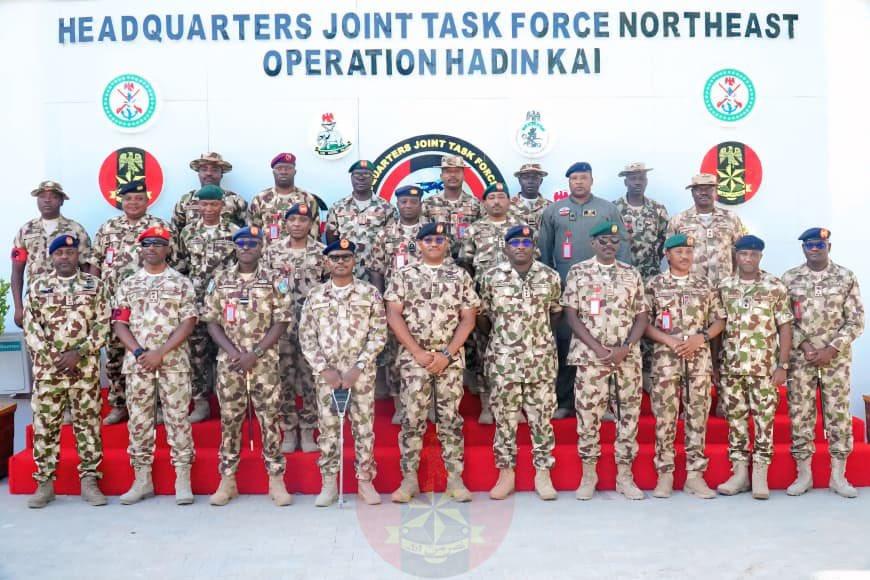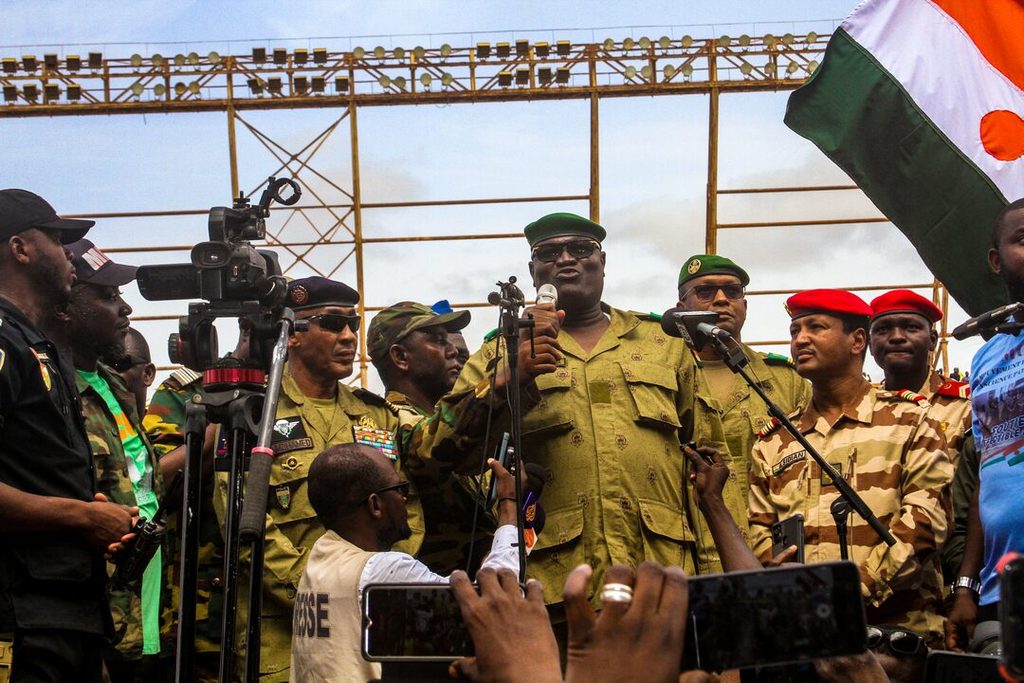
Nigeria’s President Bola Tinubu has approved one of the country’s largest military expansions in recent years as the government seeks to respond to escalating violence by armed groups across the country.
The plan includes the recruitment of 28,000 additional soldiers and the creation of four new army divisions, increasing the total number of divisions from eight to 12.
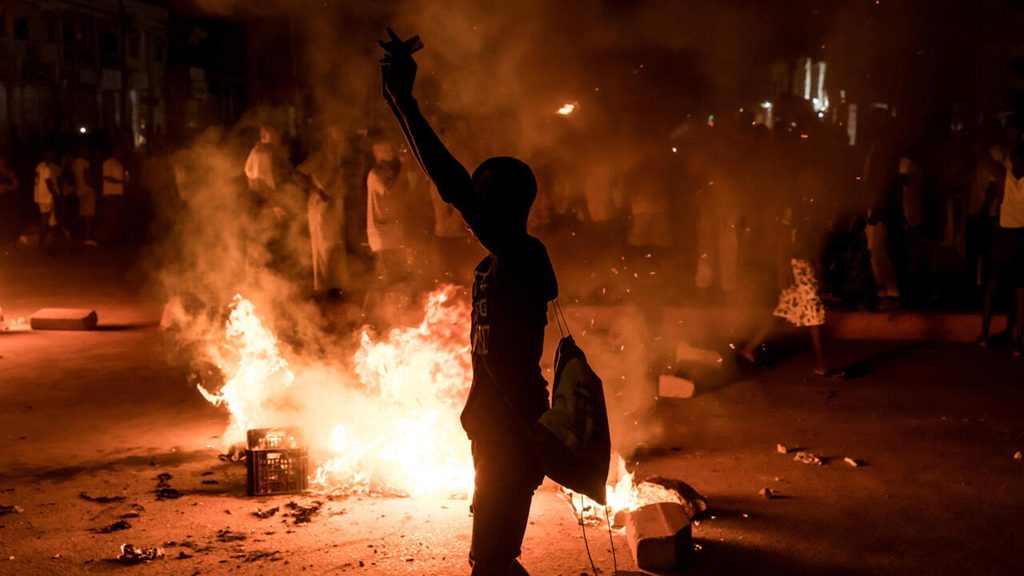
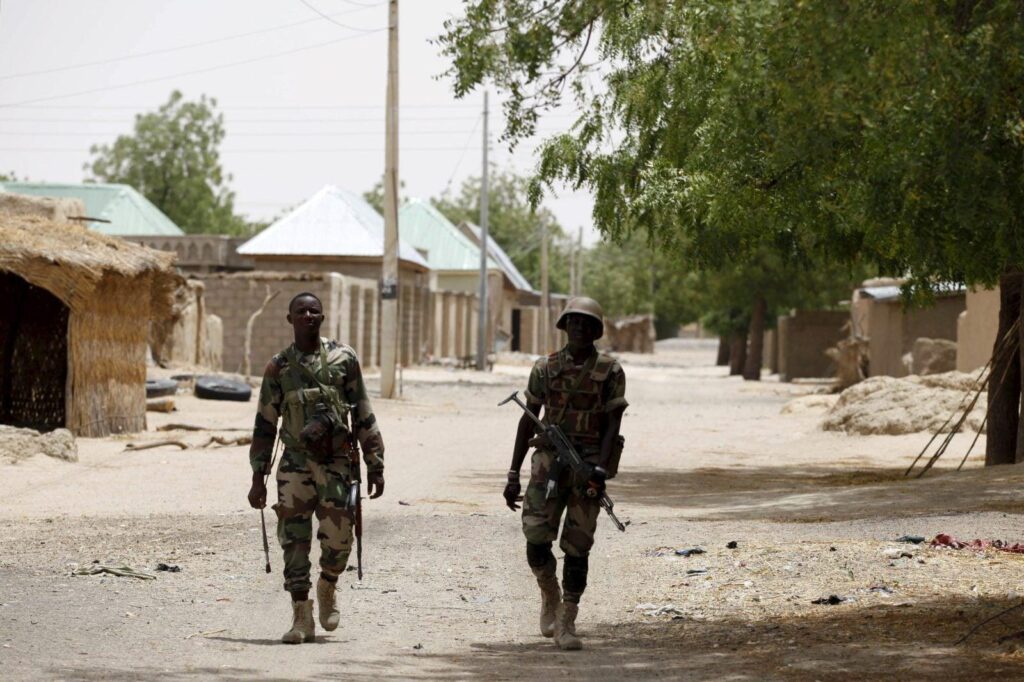
Nigeria is battling multiple security threats, including Islamist insurgencies, separatist violence and heavily armed criminal gangs responsible for mass kidnappings and attacks on rural communities.
In the past week, gunmen killed at least 20 villagers in the northwestern state of Zamfara, while 46 students were abducted from a school in northeastern Borno State. The students were rescued by the military several hours later.
Although security forces have recently reported progress against some armed groups, militants and criminal gangs have become increasingly sophisticated, and attacks continue across large parts of the country.
The government said the new army divisions would improve operational coordination, intelligence sharing and response times.
Under the current military structure, some divisions are responsible for vast areas covering several states, leaving troops and equipment overstretched amid persistent attacks.
Three additional army headquarters will also be established in northeastern and central Nigeria, regions affected by Islamist militancy, banditry and deadly clashes between farmers and herders.
Insecurity has also spread further south. In May, 44 pupils and teachers were abducted during coordinated attacks on schools in the southwestern state of Oyo.
Security analysts have warned that recruiting tens of thousands of new soldiers could prove difficult, particularly because of the high number of military personnel killed in recent attacks.
Tinubu announced the expansion after ordering armed groups to surrender or face the full force of the state.
The president has also approved the recruitment of more than 50,000 police officers and allocated a record 5.41 trillion naira, about $4 billion, to defence and security in the national budget.
Nigeria has also increased cooperation with the United States against Islamist militants. In December, US and Nigerian forces launched a joint operation targeting members of the Lakurawa group in northwestern Nigeria.
The operation also led to the killing of senior Islamic State commander Abu-Bilal al-Minuki during a months-long campaign focused largely on the Lake Chad Basin.
Analysts say Islamic State has increasingly shifted its activities towards sub-Saharan Africa, where around 90% of the group’s attacks now take place. Its Nigerian affiliate remains its most active branch.
Despite the joint US-Nigerian operation ending earlier this month, Islamist militant groups continue to launch attacks across the country.