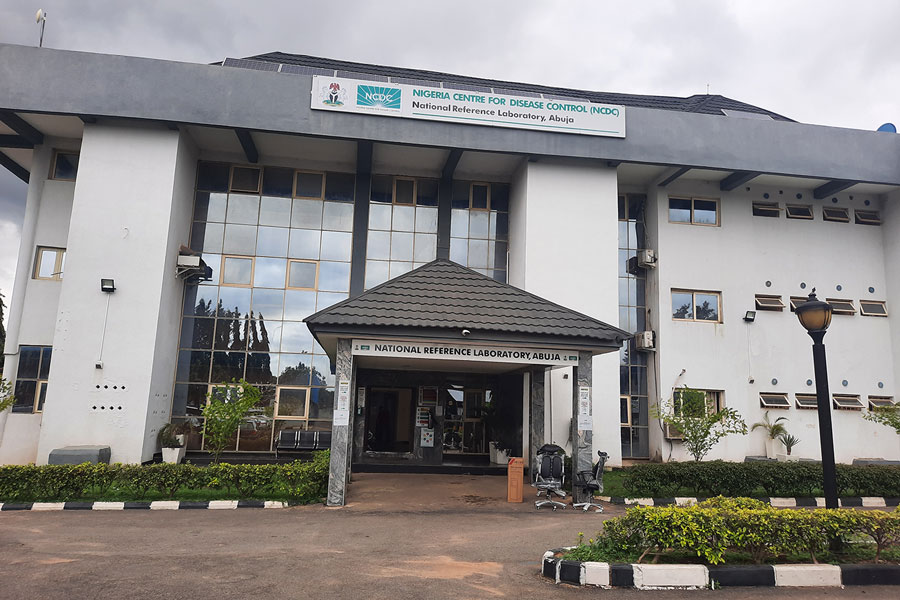
Nigerian health authorities are investigating two suspected Ebola cases in the country’s northeastern region, the Nigeria Centre for Disease Control and Prevention (NCDC) said on Saturday.
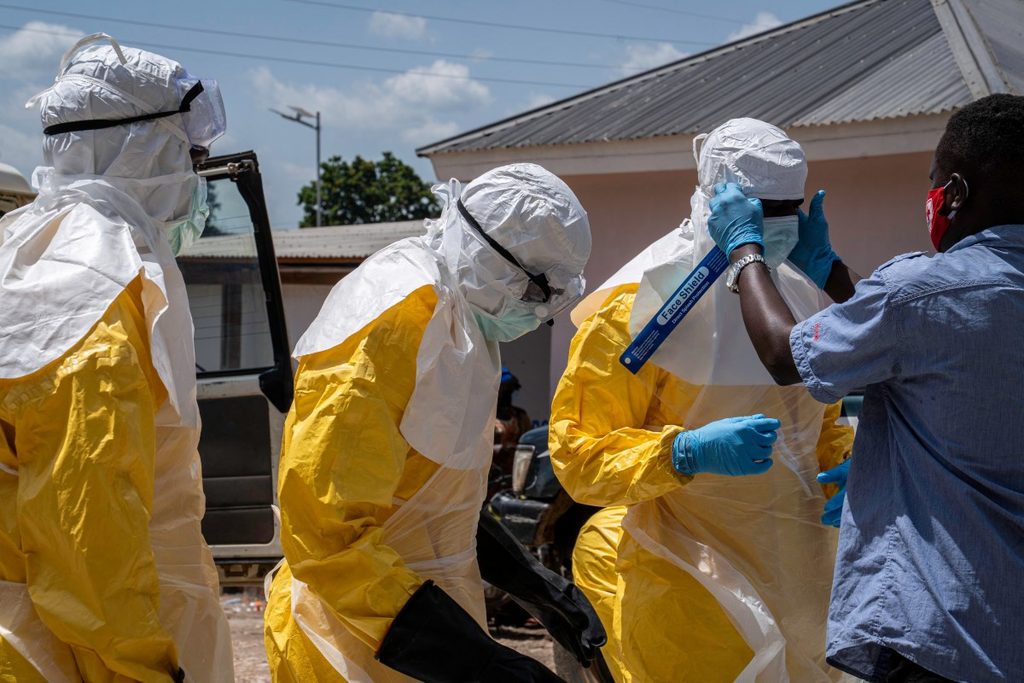
The two individuals have been placed in isolation as health officials conduct contact tracing and laboratory testing to determine whether they have contracted the virus.
In a statement posted on X, the NCDC said authorities were identifying and listing people who may have come into contact with the suspected patients.
The agency stressed that neither case had been confirmed and that laboratory results were needed to establish whether the individuals were infected.
The investigation comes days after Nigeria confirmed its first Ebola infection in more than a decade.
The patient, a Swiss woman who had travelled to Uganda before returning to Nigeria’s capital, Abuja, was subsequently evacuated to Switzerland alongside her husband on Monday.
If confirmed, the two suspected infections could raise concerns about possible transmission within Nigeria, although authorities have not established whether they are connected to the earlier case.
Health officials have not disclosed further details about the patients or their potential exposure to the virus.
The developments come amid a worsening Ebola outbreak in the Democratic Republic of Congo, where more than 5,000 people have died since the epidemic was declared in May.
Kenya and Uganda have also reported infections, raising concerns about the virus spreading across international borders.
The outbreak in Congo involves the rare Bundibugyo strain of Ebola, for which there are currently no approved vaccines or treatments.
Ebola is a highly infectious disease that can cause severe bleeding, organ failure and death. The virus spreads through direct contact with the bodily fluids of infected individuals or contaminated materials.
Health authorities across the region have intensified surveillance and preventive measures as efforts continue to contain the outbreak.