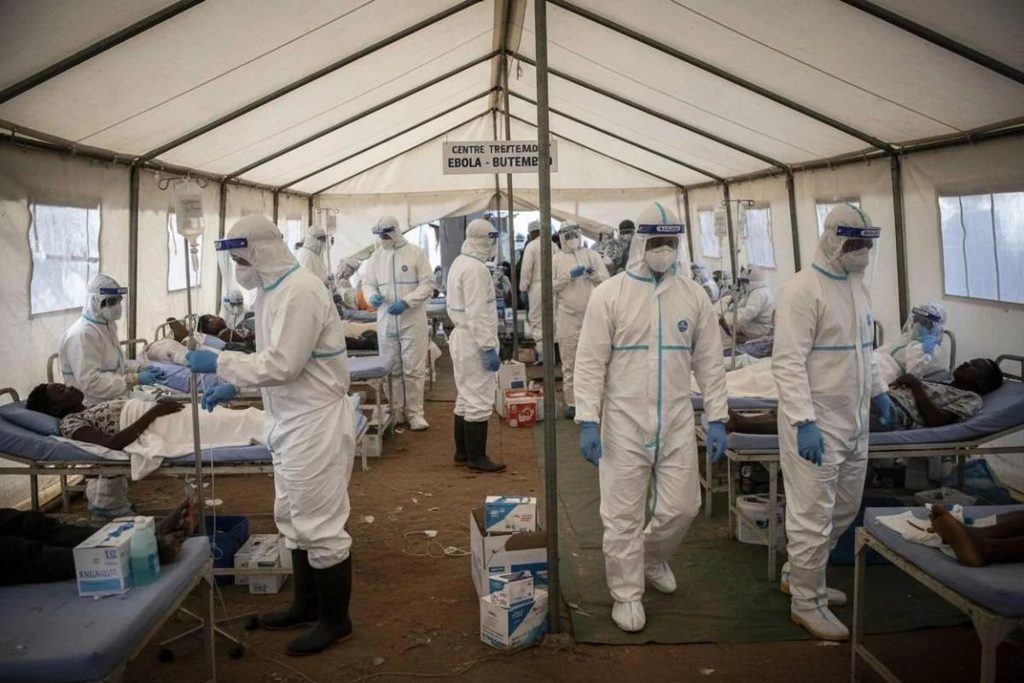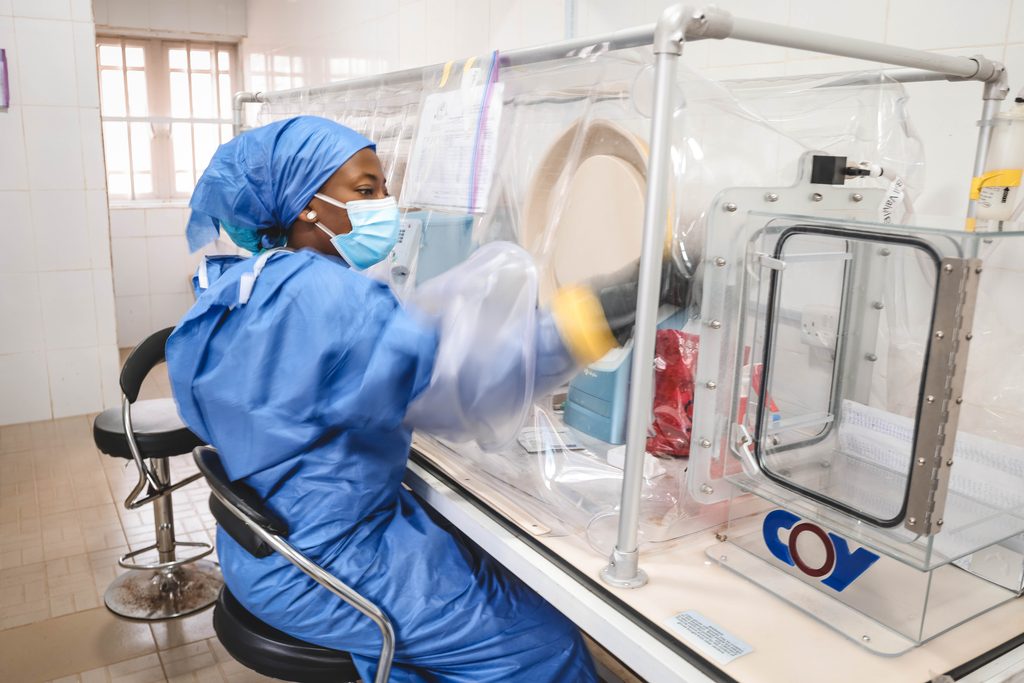
Nigeria has recorded 268 deaths from Lassa fever since the beginning of 2026, with confirmed infections rising to 1,138 across 24 states and 119 local government areas, health authorities said on Tuesday.
The Nigeria Centre for Disease Control and Prevention (NCDC) said the figures, covering the first 40 weeks of the year, represent a sharp increase in infections and fatalities compared with the same period in 2025.
According to the agency’s latest epidemiological report, released on October 13, the case fatality rate climbed to 23.6%, up from 18.6% a year earlier.
Confirmed infections increased from 924 to 1,138, while deaths surged from 172 to 268 over the same period.
The country also registered 8,414 suspected infections between January and early October, compared with 8,041 during the corresponding period last year.
Despite the worsening annual figures, the NCDC reported a decline in newly confirmed infections during epidemiological week 40, covering September 28 to October 4.
Only three new cases were recorded in Bauchi and Benue states, down from 13 the previous week. One additional death was reported.
Five states accounted for 88% of all confirmed infections nationwide, with Ondo reporting the highest proportion at 36%, followed by Bauchi at 23%, Taraba at 12%, Edo at 11% and Benue at 6%.
Health officials attributed the elevated death toll partly to delays in seeking medical treatment, rising healthcare costs and poor access to timely medical intervention in affected communities.
Lassa fever is a potentially deadly viral disease primarily transmitted through contact with food or household materials contaminated by the urine or droppings of infected rodents.
The virus can also spread between people through direct contact with infected bodily fluids, particularly in healthcare facilities where infection-control measures are inadequate.
The NCDC urged communities to strengthen sanitation practices, store food securely and dispose of waste properly to reduce exposure to rodents.
Authorities also advised anyone experiencing symptoms, including fever, headaches and general weakness, to seek immediate medical attention, warning that delayed treatment significantly increases the risk of severe illness and death.