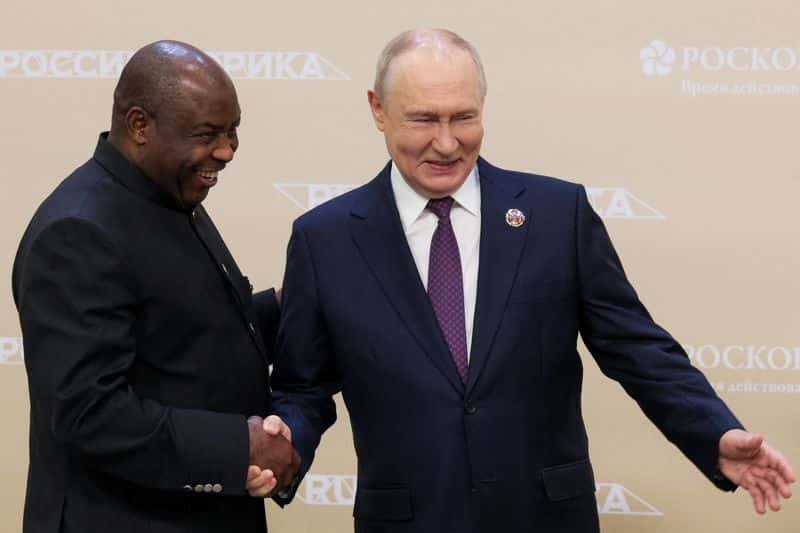
Russian President Vladimir Putin sought to strengthen Moscow’s political and economic ties with Africa on Wednesday, presenting Russia as a more reliable partner than Western powers he accused of exploiting the continent’s resources and perpetuating economic dependence.
Speaking at the third Russia-Africa Summit in Moscow, Putin said African nations were gaining influence in global affairs but continued to face resistance from Western countries seeking to preserve their dominance.
The two-day gathering brought together delegations from 48 African countries, including 22 heads of state and government. Putin was expected to hold bilateral meetings focused on trade, security, arms supplies and agricultural cooperation.
The summit forms part of Moscow’s broader effort to expand its influence across Africa while countering Western diplomatic and economic pressure over Russia’s war in Ukraine.
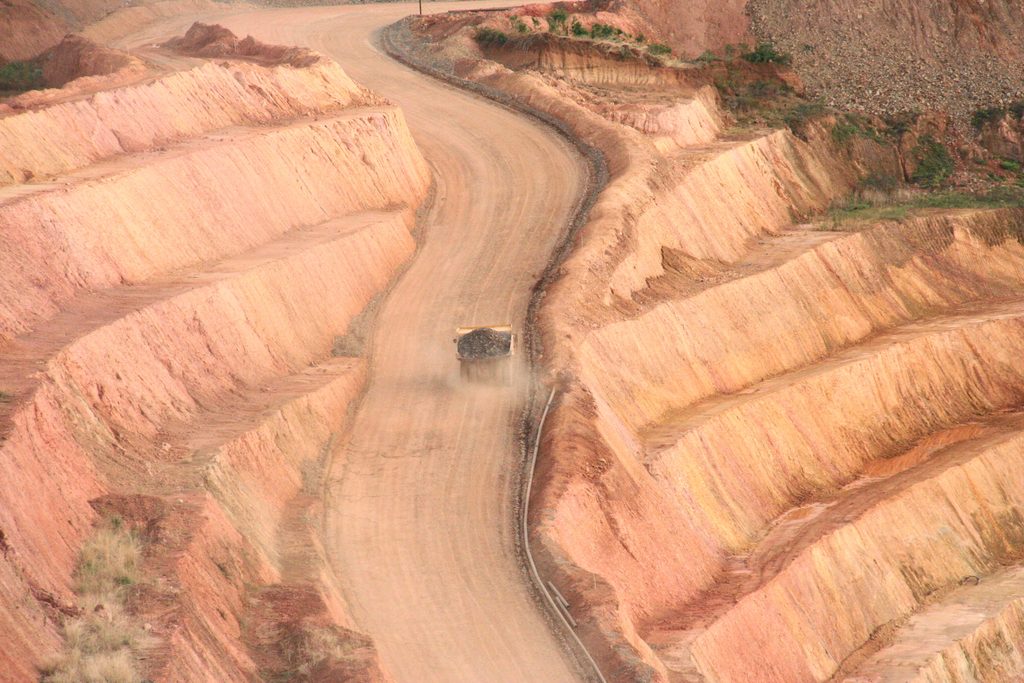
Russia has increased its engagement with African governments through military cooperation, energy projects, mining investments and state-backed media operations.
Putin accused Western powers of using financial arrangements and debt to maintain their influence over African economies, arguing that such practices undermined long-term development.
He said Russia, by contrast, was prepared to support industrial development, transfer technology and establish local production facilities that would create employment and generate government revenue.
Moscow was also ready to expand cooperation in digital technology, transport infrastructure and agriculture, he added.
Putin said Russia had supplied 13 million metric tons of agricultural products to African countries during the first nine months of 2026 and was prepared to increase grain and fertiliser deliveries.
He also highlighted educational cooperation, saying approximately 40,000 African students were enrolled at Russian universities.
The Russian leader called for African countries to have greater representation in international financial institutions, including the International Monetary Fund and World Bank.
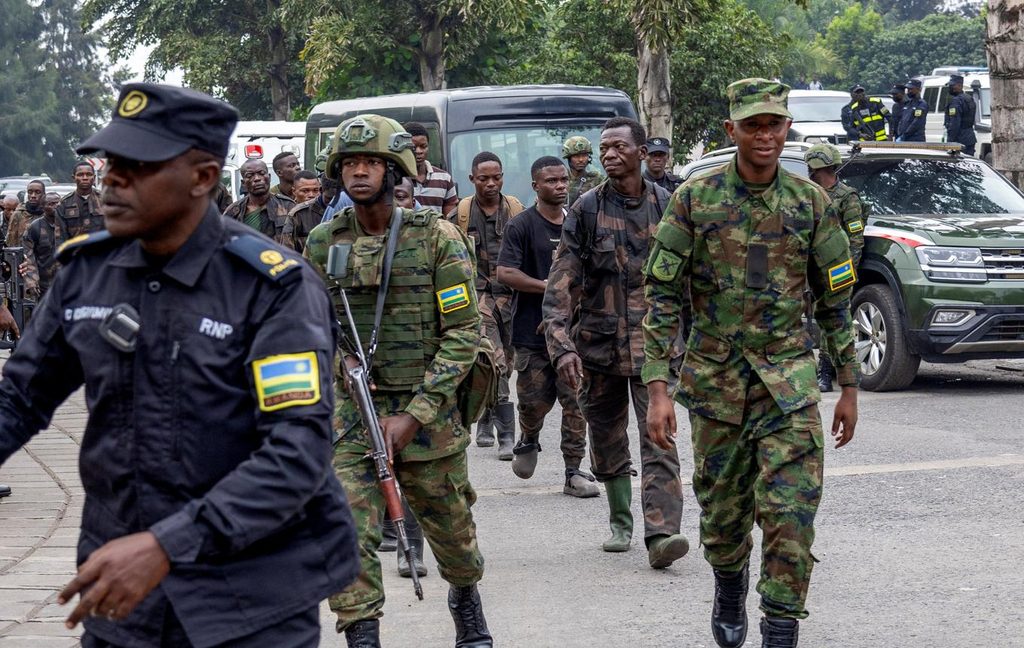
Russia’s growing military presence in Africa has drawn criticism from Western governments, which accuse Moscow of supporting military-led administrations to expand its geopolitical influence and weaken the position of former colonial powers, particularly France.
Russian military personnel associated with Moscow’s Africa Corps remain active in several African countries, including Mali.
Moscow rejects accusations that its security partnerships are intended to destabilise the region or exploit African governments.
Burkina Faso’s Prime Minister Rimtalba Jean Emmanuel Ouedraogo defended his country’s cooperation with Russia, describing the relationship as transparent and based on mutual interests.
Speaking to Russian state broadcaster RT, Ouedraogo said Moscow respected African identities and cultural traditions, contrasting its approach with Burkina Faso’s historical relationship with France.
“This is completely different from what we had with imperialist France,” he said.
The summit, first launched in 2019, comes as Russia seeks to consolidate partnerships across the Global South and position itself as an alternative to Western powers in Africa.