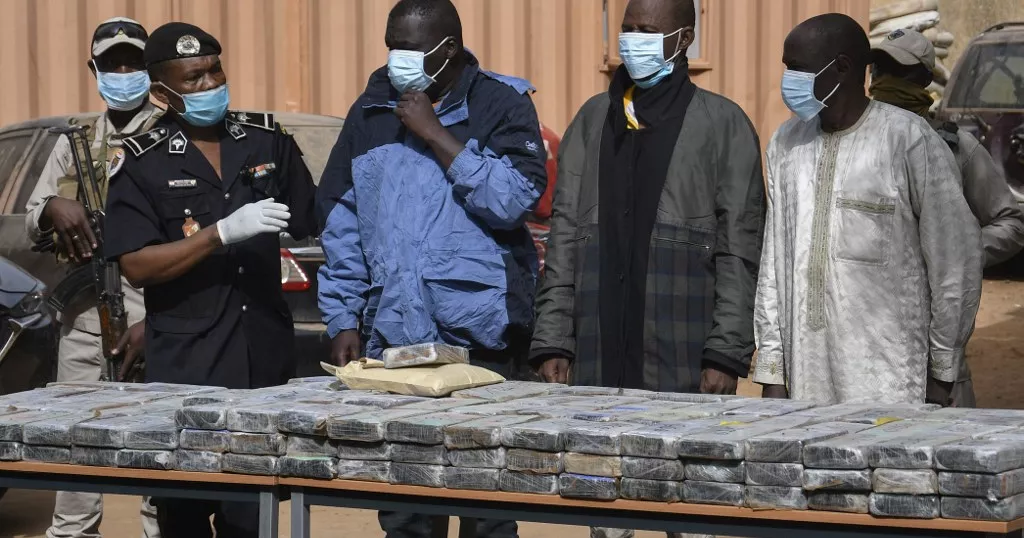
Growing insecurity across Africa’s Sahel is creating new opportunities for drug trafficking networks and organised crime groups, raising concerns that the region is becoming an increasingly important hub for the movement and sale of narcotics.
Rights activists and political analysts warn that the Sahel, already struggling with armed insurgencies, political instability and weak state control, is no longer merely a transit corridor for smuggled goods.
Criminal organisations are increasingly exploiting security vacuums in countries including Mali, Niger and Burkina Faso, while developing relationships with armed groups that control territory or key trafficking routes, analysts told Erem News.
The trend is also causing concern in North Africa and Europe, where authorities fear that instability in the Sahel could strengthen trafficking routes linking West Africa with Mediterranean markets.
Armed groups and criminal networks
Nigerien rights activist Omar Saifo said international reports had documented a noticeable rise in the trafficking and consumption of narcotic pills across Burkina Faso, Mali and Niger, as well as Guinea and Nigeria.
“Organised crime networks are exploiting security gaps to consolidate their activities,” Saifo told Erem News.
He said criminal organisations and armed groups increasingly had overlapping interests because both benefited from political and security instability.
According to Saifo, closer cooperation between criminal networks and armed groups could pose a wider threat to West Africa, North Africa and Europe, requiring stronger regional security coordination.
The Sahel has experienced years of escalating instability involving armed groups including Al Qaeda-linked Jama’at Nusrat al-Islam wal-Muslimin (JNIM), as well as separatist movements operating in northern Mali.
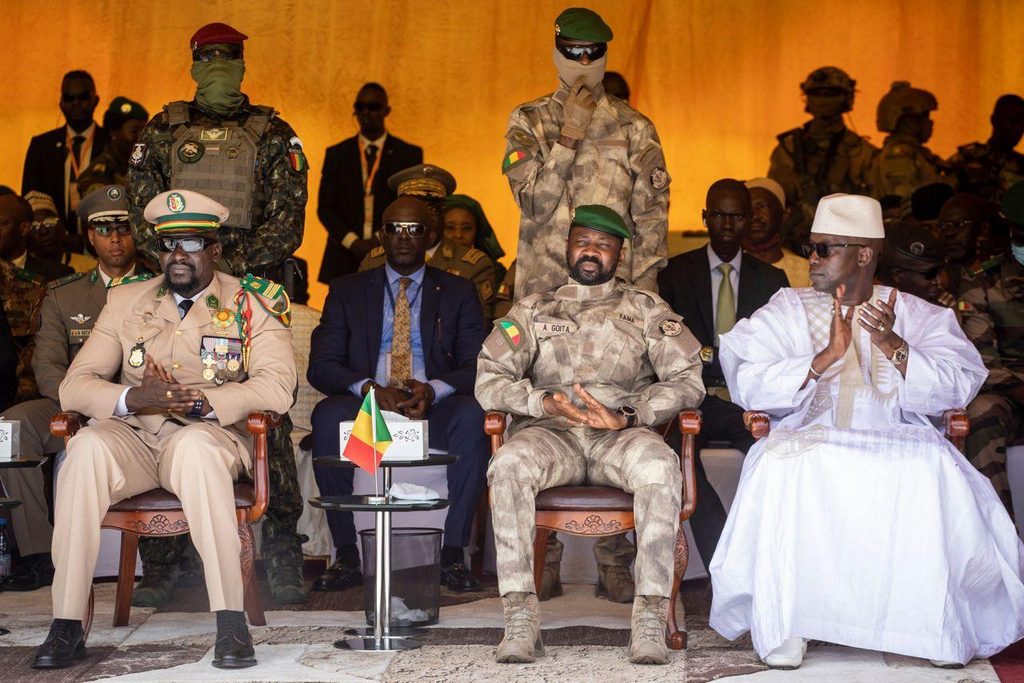
Military takeovers in Mali, Burkina Faso and Niger have also reshaped regional security cooperation and strained relations between the three countries and several of their traditional Western and African partners.
Drugs as a source of financing
Political analyst Mohamed Idris said drug and weapons trafficking had become an increasingly serious challenge for governments across the region.
He warned that the expansion of the narcotics trade could have severe social consequences, particularly for young people in countries where addiction treatment and rehabilitation services remain limited.
The trade could also provide armed groups with another source of revenue.
Rebel or extremist organisations operating along trafficking routes can collect payments in exchange for allowing shipments of cocaine, cannabis and other drugs to move through territory under their influence, Idris said.
Analysts have long warned that vast desert borders, limited government control and continuing conflict make the Sahel particularly vulnerable to transnational smuggling networks.
The combination of organised crime, armed conflict and weakened state institutions is now fuelling fears that drug trafficking could become an increasingly entrenched part of the region’s war economy.