Spain is facing mounting criticism over the treatment of migrants and asylum seekers stranded in the Spanish enclave of Ceuta, including Sudanese nationals who arrived during a recent mass crossing from Morocco.
Human Rights Watch has called on Spanish authorities to ensure that anyone seeking international protection is able to formally apply for asylum and have their case assessed individually.
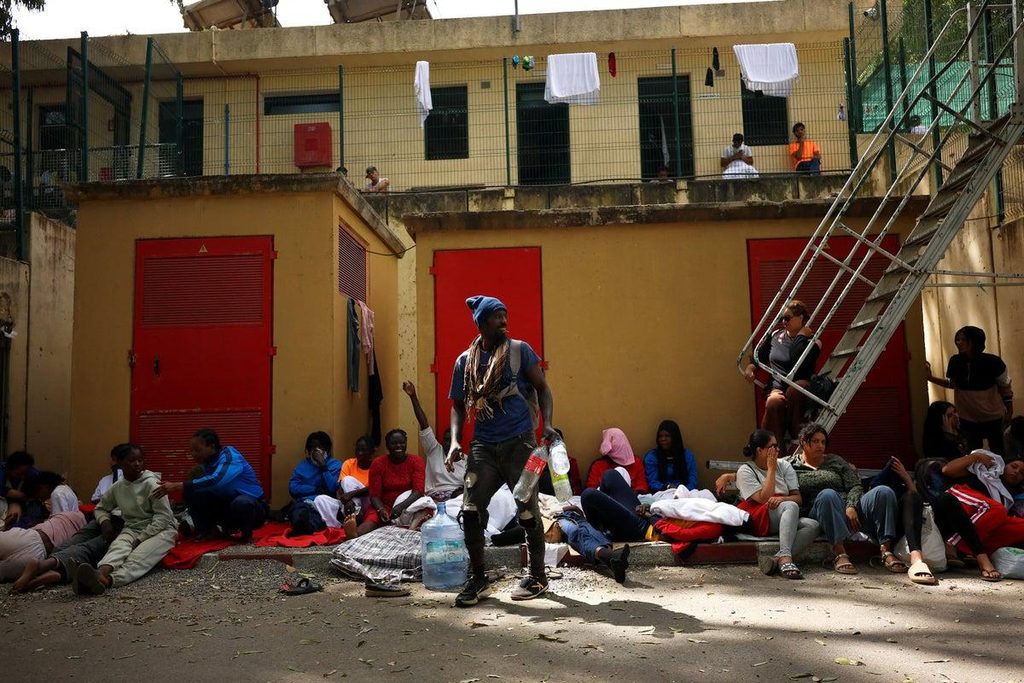
The rights group said Sudanese nationals were among migrants and asylum seekers who have remained in Ceuta since late July, with many facing difficult humanitarian conditions, overcrowding and limited access to shelter and basic services.
In a report published on Monday, Human Rights Watch said researchers visiting Ceuta interviewed people from Sudan, Tunisia, Algeria, Yemen, Somalia, Egypt, Syria, Chad and Senegal. Several told the organisation they wanted to seek asylum in Spain.
One Sudanese man, aged 20, said he wanted to apply for asylum but had not been given sufficient information about how to begin the process.
Human Rights Watch said it was concerned about the unclear legal status of many migrants and asylum seekers in Ceuta and urged Spanish authorities to provide accessible information about their rights and the asylum process.
The organisation also called on Spain to allow people in need of international protection to lodge asylum applications and to assess each case separately to determine whether protection should be granted.
It warned against returning third-country nationals, including Sudanese and Somali citizens, to Morocco without examining whether they could face persecution or other serious risks.
Human Rights Watch also urged Spanish authorities to guarantee fair legal procedures and provide asylum seekers with legal information in languages they understand.
According to the organisation, the Spanish government said that by July 31 most people who had swum from Morocco to Ceuta had returned across the border, describing the movements as “voluntary returns.”
However, separate reports said Spanish security forces transported some migrants by truck towards the Moroccan border, raising questions over whether all of the returns were genuinely voluntary.
The mass crossings were also accompanied by a heavy death toll. Spanish authorities officially recorded 82 deaths, while migrant rights organisation Caminando Fronteras said at least 67 people died on the Moroccan side.
Ceuta witnessed a major surge in attempted crossings in late July, when tens of thousands of migrants and asylum seekers reportedly tried to reach the Spanish territory from Morocco, many of them swimming around border barriers.
Thousands are believed to remain stranded in or around the enclave, amid continuing concerns over humanitarian conditions, access to asylum procedures and the legality of returns to Morocco.