Spanish police dismantled the last major migrant encampment along the coast of Ceuta on Sunday, completing a series of security operations in the North African enclave just two days before a scheduled visit by King Felipe VI and Queen Letizia.
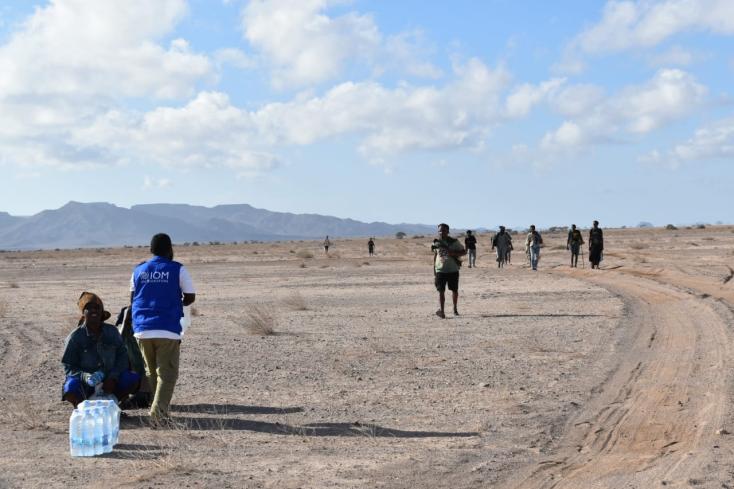
The operation targeted the El Guano settlement, where approximately 400 migrants had been staying following the mass border crossings from neighbouring Morocco in late July.
More than 350 security personnel, including National Police, Civil Guard officers and military personnel, participated in the operation, which began shortly before 8 a.m. local time.
Police transferred approximately 150 people to processing facilities, while others had already abandoned the settlement or fled into surrounding hills to avoid identification and possible return procedures.
Adults were taken to temporary immigration processing facilities, while minors were directed through separate identification procedures before being referred to the local authorities responsible for their accommodation.
Spanish authorities said the operation was intended to restore public order, address security concerns and remove makeshift structures that had occupied public coastal areas for more than two months.
Municipal cleaning crews subsequently moved into the settlement to dismantle shelters and remove accumulated waste.
Final stage of wider police operation
Sunday’s clearance followed several police interventions targeting informal migrant settlements established after more than 72,000 people crossed into Ceuta from Morocco on July 30 and 31.
The unprecedented influx overwhelmed local reception facilities, triggered political controversy and placed pressure on public services in the Spanish territory.
Earlier operations targeted Benítez beach and the much larger El Trampolín settlement, where approximately 3,000 people had been living in temporary shelters.
Police completed the El Trampolín clearance on October 5, although some former occupants subsequently moved to El Guano or other parts of the city.
Despite the removal of the main coastal encampments, migrants continue to sleep in public areas elsewhere in Ceuta, highlighting the difficulties authorities face in managing those who remain in the enclave.
Royal visit amid tensions with Morocco
The latest operation comes ahead of King Felipe VI and Queen Letizia’s visit to Ceuta on October 13, followed by Melilla on October 14.
It will be the first visit by a reigning Spanish monarch to the two North African territories since 2007.
The royal programme includes meetings with local officials and community representatives, alongside a ceremony commemorating those who died during the July border crossings.
The visit also comes amid renewed diplomatic tensions between Spain and Morocco over migration management and border security.
Morocco’s King Mohammed VI said on October 9 that existing migration cooperation arrangements with Spain had reached their limits, calling for a revised approach following the summer crisis.
Rabat maintains its territorial claims over Ceuta and Melilla, while Madrid considers both territories integral parts of Spain.
The removal of the last major coastal settlement marks a significant stage in Ceuta’s response to the migration crisis, although questions remain over accommodation, repatriation procedures and the thousands of people still present in the territory.